
Blog
Featured blog posts





Our articles
All
Weight loss
Nutrition
Women's Health
Menopause
Skincare
Hair Loss
Longevity
Mental Health
Mochi Bites
Resources


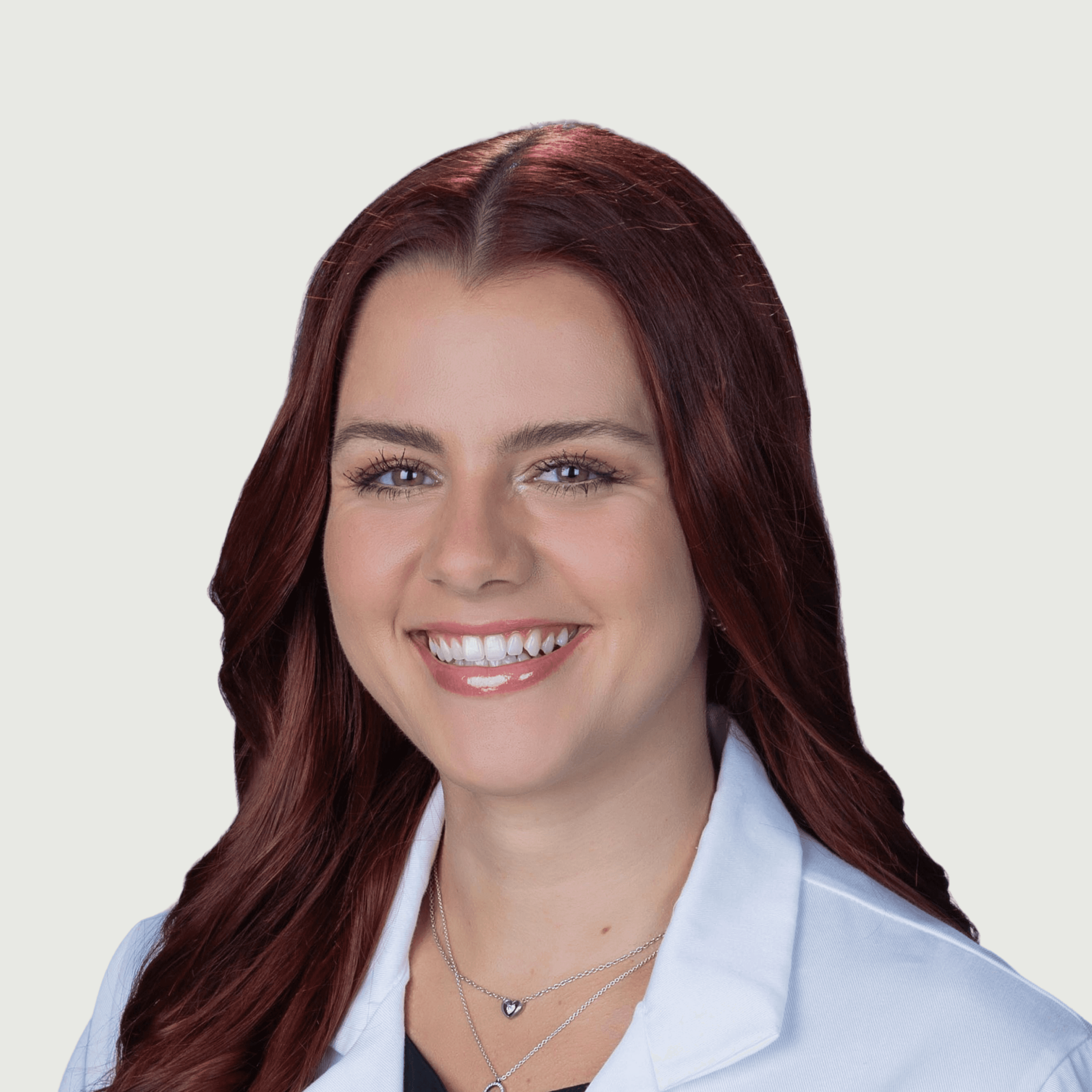





Authors
Meet our authors

Dr. Jennifer Clements, MD
Dr. Jennifer Clements, MD

Dr. Roberto Valledor, MD
Dr. Roberto Valledor, MD

Dr. Rachel Jecker, MD
Dr. Rachel Jecker, MD

Dr. Abraham Lopez, MD
Dr. Abraham Lopez, MD

Dr. Alexander Young, PsyD
Dr. Alexander Young, PsyD

Dr. Constantine Joseph Pella, MD
Dr. Constantine Joseph Pella, MD

Dr. Eva Shelton, MD
Dr. Eva Shelton, MD

Dr. Jennifer Warren, MD
Dr. Jennifer Warren, MD
For iOS & Android
Start with care designed for you
Start with care designed for you


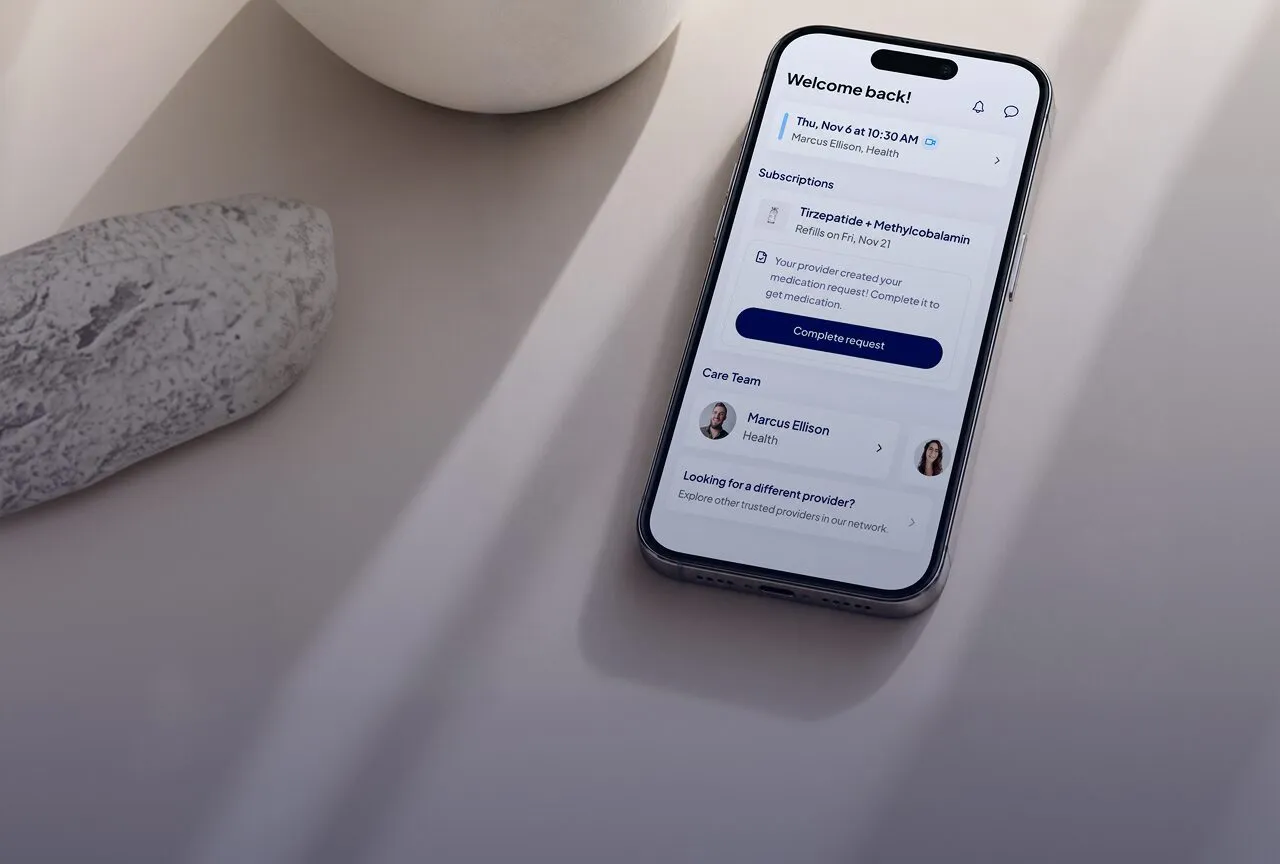
What can we help you with?
What can we help you with?

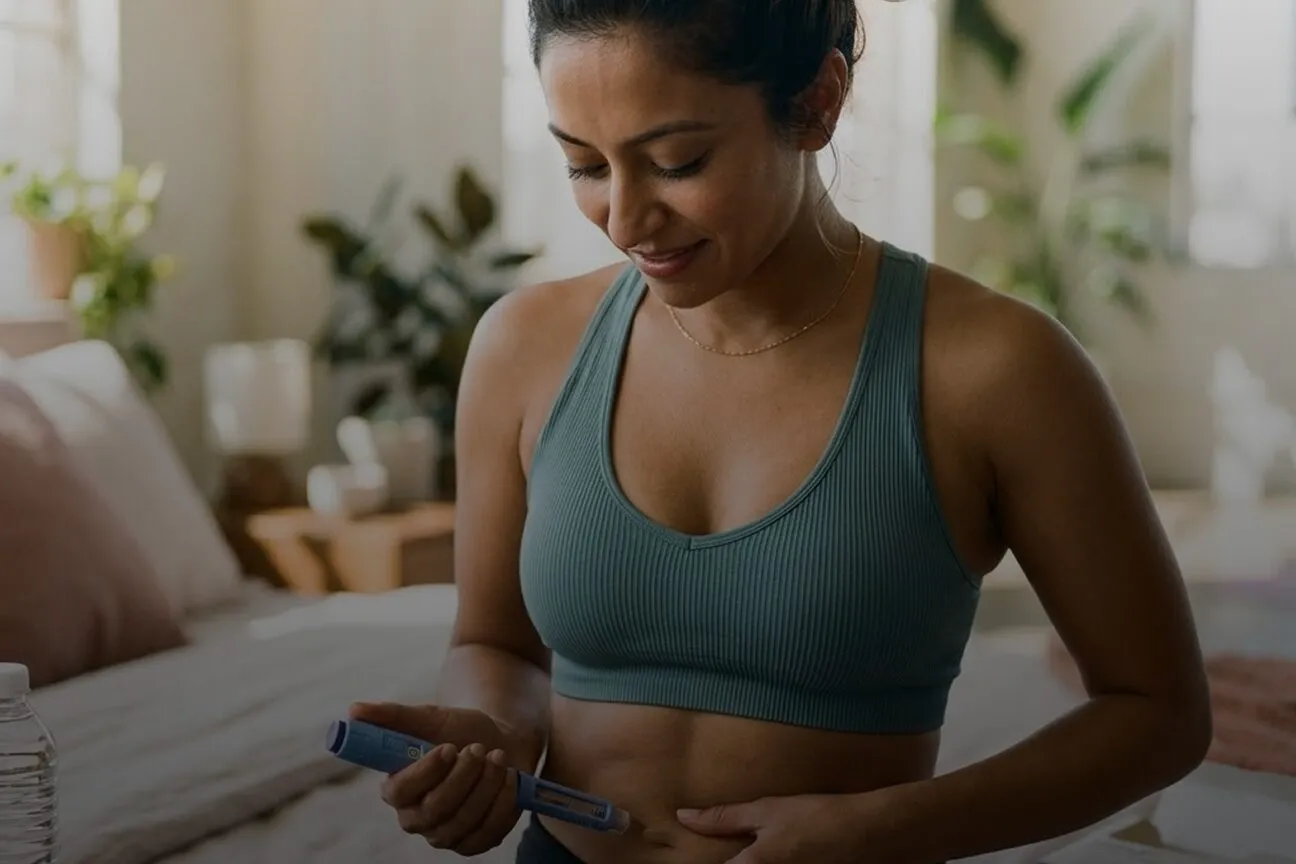

Personalized care for long-term wellness
Small wins add up to big transformations. Mochi reminds us to focus on what’s good and use it to build the life we envision.

All professional medical services are provided by licensed physicians and clinicians affiliated with independently owned and operated professional practices. Mochi Health Corp. provides administrative and technology services to affiliated medical practices it supports, and does not provide any professional medical services itself.
Personalized care for long-term wellness
Small wins add up to big transformations. Mochi reminds us to focus on what’s good and use it to build the life we envision.
All professional medical services are provided by licensed physicians and clinicians affiliated with independently owned and operated professional practices. Mochi Health Corp. provides administrative and technology services to affiliated medical practices it supports, and does not provide any professional medical services itself.
Personalized care for long-term wellness
Small wins add up to big transformations. Mochi reminds us to focus on what’s good and use it to build the life we envision.
All professional medical services are provided by licensed physicians and clinicians affiliated with independently owned and operated professional practices. Mochi Health Corp. provides administrative and technology services to affiliated medical practices it supports, and does not provide any professional medical services itself.
Personalized care for long-term wellness
Small wins add up to big transformations. Mochi reminds us to focus on what’s good and use it to build the life we envision.
All professional medical services are provided by licensed physicians and clinicians affiliated with independently owned and operated professional practices. Mochi Health Corp. provides administrative and technology services to affiliated medical practices it supports, and does not provide any professional medical services itself.
Personalized care for long-term wellness
Small wins add up to big transformations. Mochi reminds us to focus on what’s good and use it to build the life we envision.
All professional medical services are provided by licensed physicians and clinicians affiliated with independently owned and operated professional practices. Mochi Health Corp. provides administrative and technology services to affiliated medical practices it supports, and does not provide any professional medical services itself.