Ready to transform your health?
Unlock access to expert guidance and a weight care plan crafted just for you.
Similar Articles
Similar Articles
Alendronate (Fosamax) for Osteoporosis Treatment
Alendronate (Fosamax) for Osteoporosis Treatment

GLP-1s for Athletes: Performance, Body Composition, and Recovery
GLP-1s for Athletes: Performance, Body Composition, and Recovery

What Labs Should You Monitor on GLP-1s? A Complete Biomarker Guide
What Labs Should You Monitor on GLP-1s? A Complete Biomarker Guide
Bloating vs Fat: What’s the Difference?
Bloating vs Fat: What’s the Difference?
Stomach looking bigger but not sure why? Learn how to tell the difference between bloating and belly fat, and what you can do about each.
Stomach looking bigger but not sure why? Learn how to tell the difference between bloating and belly fat, and what you can do about each.

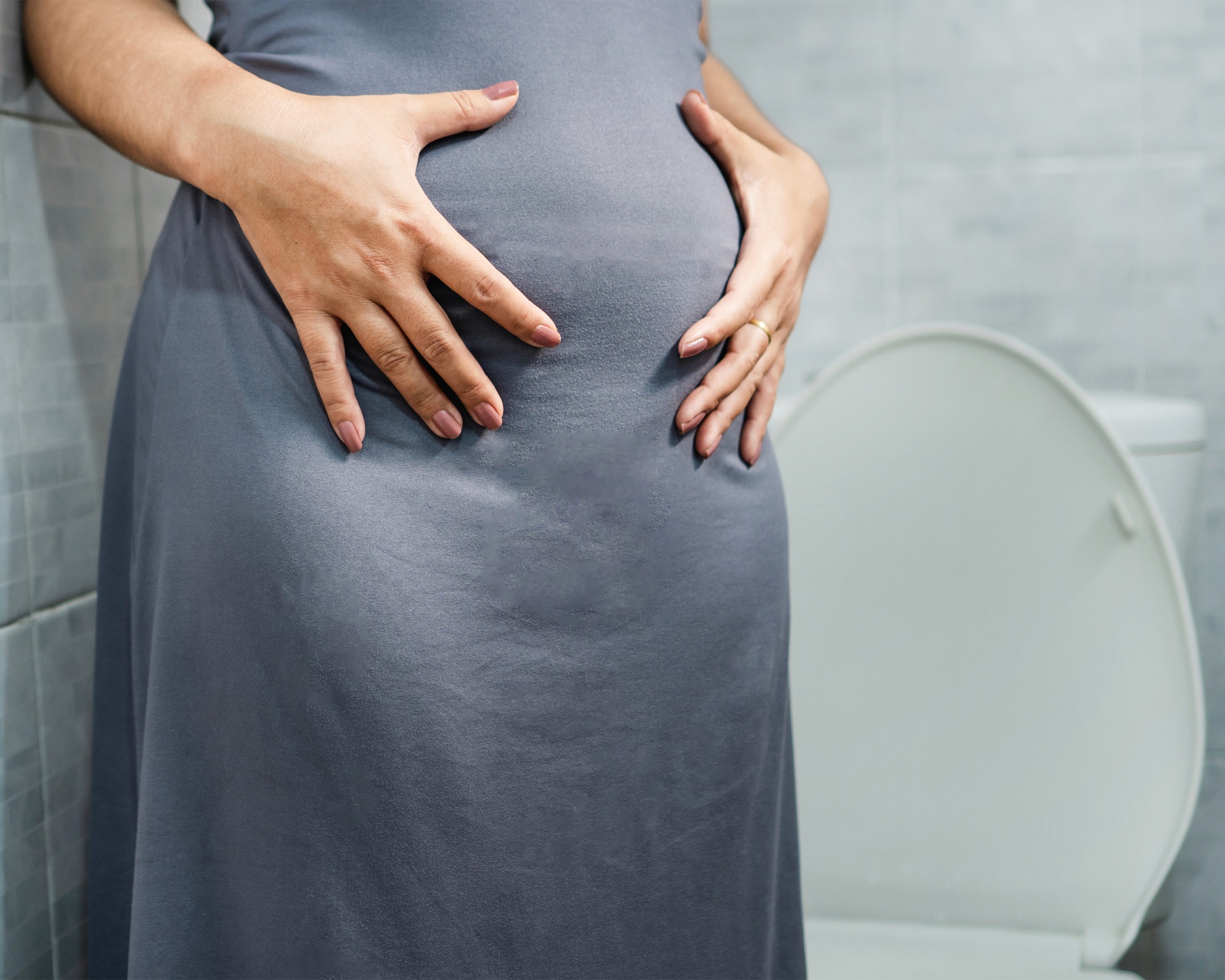
Table of Contents
Table of Contents
Key Takeaways
How Common is Bloating Compared to Fat Gain?
What Does Bloating Feel Like vs Fat Gain?
What Causes Bloating vs True Fat Gain?
How to Reduce Bloating Safely
When Should You be Concerned About Persistent Bloating?
FAQs
Check Your Eligibility
Key Takeaways
How Common is Bloating Compared to Fat Gain?
What Does Bloating Feel Like vs Fat Gain?
What Causes Bloating vs True Fat Gain?
How to Reduce Bloating Safely
When Should You be Concerned About Persistent Bloating?
FAQs
Check Your Eligibility
Key Takeaways
Bloating is uncomfortable, can come on quickly, and often resolves without intervention. A bloated stomach can feel stretched, tight, or firm.
Fat gain is painless, occurs slowly over weeks to months, and can resolve with medication or lifestyle changes. Belly fat is soft to the touch.
Many people taking GLP-1 medications like compounded semaglutide are hoping to lose stubborn belly fat.
If you look down at your stomach after starting a weight loss medication, and it looks larger, do you know the difference between stomach bloating vs fat? Both can cause the stomach area to look large or stick out more. This causes understandable worry - am I gaining weight or am I bloated?
Bloating is usually caused by a temporary buildup of extra air in your stomach and intestines, and goes away on its own. It can be a reflection of decreased gut motility. Fat gain is your body making new fat cells and existing fat cells getting larger. This happens more slowly, over weeks to months. Fat shows up on the scale with an increase in weight, but bloating caused by air doesn’t.
Read on to learn more about the differences between belly fat vs bloat!
How Common is Bloating Compared to Fat Gain?
If you’re experiencing bloating, you’re not alone. Studies show that in any given week, approximately 14% of Americans will have bloating. That’s around 1 in 7 people! Bloating is more common in women, middle aged adults, and people with GI conditions like chronic constipation, Irritable Bowel Syndrome (IBS), or Irritable Bowel Disease (IBD) like Crohn’s or Ulcerative Colitis. (1, 2)
Abdominal fat gain, which can rise to the level of abdominal obesity, is seen in 67% of women and just under 50% of men. When considering bloating vs fat, it’s important to remember that bloat and fat can occur at the same time! (3)
What Does Bloating Feel Like vs Fat Gain?
Being bloated is uncomfortable, and can cause a feeling of fullness, tightness, or even nausea. It’s caused by air building up in your GI tract, which stretches the sides of the stomach and the walls of the intestines. As these organs expand, the muscles of your abdomen are also stretched. This causes pain and discomfort. When you compare bloated stomach vs fat stomach, only bloating is actively uncomfortable.
If you push on your abdomen and it feels firm or distended, that’s likely bloating rather than abdominal fat buildup. Fat feels soft and squishy, rather than firm and tense. When you think about bloating vs fat, consider whether you’re having discomfort, and whether this started quickly or slowly. Belly fat vs bloat come on at different speeds. If your pants fit normally just hours ago, that’s bloating. If you’re noticing them tighten over weeks to months, that’s more consistent with fat gain.
What Causes Bloating vs True Fat Gain?
Bloating can be caused by a wide range of triggers. Drinking carbonated beverages like sodas can cause bloating because you’re swallowing the air bubbles in the drink, which then move through your intestines. Gum chewing and smoking are also both associated with swallowing air. Hormonal changes around the menstrual cycle can cause bloating by increasing water retention and changing the speed at which the intestines digest food. (4)
Bloating can even be caused by foods that are high in fiber or substances that can be fermented (broken down) by the bacteria that live in the intestines. Examples of this include brussels sprouts, bananas, beans, celery, and wheat germ! For most people, avoiding these foods completely is not necessary, but it can be helpful to avoid consuming a large quantity of them.
GLP-1 medications like semaglutide and tirzepatide can also cause bloating as a side effect. In one clinical trial, approximately 27% (more than 1 in 4) people on semaglutide experienced bloating. (5)
How to Reduce Bloating Safely
In the moment, moving around can help with bloating. Walking around increases the squeezing of the intestines, called peristalsis. This can move air through the digestive tract faster and help relieve symptoms. (6) Having a bowel movement is also often helpful for bloating.
There are other remedies for bloating that don’t involve any medications. Heating pads may sooth the stretched abdominal muscles to relieve pain. The stretch on your intestines from bloating can cause muscle spasms, and peppermint can reduce those spasms. (7) Because of this, people can find peppermint tea helpful for bloating.
Dietary changes such as minimizing lactose, cutting back on carbonated drinks, and avoiding trigger foods can help prevent bloating before it even starts!
If bloating is severe, it may require medications to manage. Some are over-the-counter, like simethicone (Gas-X, Mylanta Gas), and others require a prescription. Before starting any new medication, speak to your healthcare provider to ensure it’s a safe option for you.
When Should You be Concerned About Persistent Bloating?
Bloating by itself isn’t a dangerous condition, though it can be painful and anxiety-inducing. In the majority of cases, bloating passes on its own.
However, in rare cases, bloating can also be a sign of a more serious underlying condition. If you experience frequent and severe bloating, unintentional weight loss, blood in your stool, fevers, or persistent diarrhea, speak to your healthcare provider.
As always, if you have any questions or concerns about your individual medical situation, reach out to your healthcare team for their input.
FAQs
How can I tell if my stomach is bloated or fat?
If you push on your abdomen and it feels firm or distended, that's likely bloating. Fat feels soft and squishy. Bloating comes on quickly and causes discomfort like fullness, tightness, or nausea, while fat gain happens gradually over weeks to months.
Does bloating cause weight gain?
No. Bloating is caused by a buildup of extra air in your stomach and intestines, not new fat cells. Fat shows up on the scale with an increase in weight, but bloating caused by air doesn't.
How long does bloating last?
In the majority of cases, bloating passes on its own without intervention. If you experience frequent and severe bloating along with unintentional weight loss, blood in your stool, fevers, or persistent diarrhea, speak to your healthcare provider.
Can bloating make you look fat?
Yes, bloating can cause the stomach area to look large or stick out more, similar to fat gain. Unlike fat, bloating is temporary and can be relieved by walking, using a heating pad, drinking peppermint tea, or making dietary changes like cutting back on carbonated drinks.
Check Your Eligibility
If you're struggling with bloating, unexpected weight changes, or just want guidance on how to get the most out of your weight loss journey, a licensed provider on Mochi Health's telehealth platform can help you figure out what's going on and what to do about it. Check your eligibility here.
Disclaimer: This article is for educational purposes only and should not be considered medical advice. The information provided does not constitute recommendations for treatment. Always consult with your healthcare provider about your specific situation, symptoms, and treatment options.
References
Ballou S, Singh P, Nee J, Rangan V, Iturrino J, Geeganage G, Löwe B, Bangdiwala SI, Palsson OS, Sperber AD, Lembo A, Lehmann M. Prevalence and Associated Factors of Bloating: Results From the Rome Foundation Global Epidemiology Study. Gastroenterology. 2023 Sep;165(3):647-655.e4. doi: 10.1053/j.gastro.2023.05.049. Epub 2023 Jun 13. PMID: 37315866; PMCID: PMC10527500.
Oh, J. E., Chey, W. D., & Spiegel, B. Abdominal bloating in the United States: Results of a survey of 88,795 Americans examining prevalence and healthcare seeking. Clinical Gastroenterology and Hepatology, 2023 Aug. 21(9), 2370–2377. https://doi.org/10.1016/j.cgh.2022.10.031
Sun JY, Huang WJ, Hua Y, Qu Q, Cheng C, Liu HL, Kong XQ, Ma YX, Sun W. Trends in general and abdominal obesity in US adults: Evidence from the National Health and Nutrition Examination Survey (2001-2018). Front Public Health. 2022 Oct 6;10:925293. doi: 10.3389/fpubh.2022.925293. PMID: 36276394; PMCID: PMC9582849.
Wald A, Van Thiel DH, Hoechstetter L, Gavaler JS, Egler KM, Verm R, Scott L, Lester R. Gastrointestinal transit: the effect of the menstrual cycle. Gastroenterology. 1981 Jun;80(6):1497-500. PMID: 7227774.
Oluwaseun Anyiam, Bethan Phillips, Katie Quinn, Daniel Wilkinson, Kenneth Smith, Philip Atherton, Iskandar Idris. Metabolic effects of very-low calorie diet, Semaglutide, or combination of the two, in individuals with type 2 diabetes mellitus. Clinical Nutrition, Volume 43, Issue 8, 2024, Pages 1907-1913, ISSN 0261-5614. https://doi.org/10.1016/j.clnu.2024.06.034.
Villoria A, Serra J, Azpiroz F, Malagelada JR. Physical activity and intestinal gas clearance in patients with bloating. Am J Gastroenterol. 2006 Nov;101(11):2552-7. doi: 10.1111/j.1572-0241.2006.00873.x. Epub 2006 Oct 4. PMID: 17029608.
Melchior C, Hammer H, Bor S, Barba E, Horvat IB, Celebi A, Drug V, Dumitrascu D, Kalkan IH, Hauser G, Lionis C, Livovsky D, Mari A, Mulak A, Surdea-Blaga T, Tack J, Vanuytsel T, Savarino EV, Zarate-Lopez N, Hammer J, Dickman R. European Consensus on Functional Bloating and Abdominal Distension-An ESNM/UEG Recommendations for Clinical Management. United European Gastroenterol J. 2025 Nov;13(9):1613-1651. doi: 10.1002/ueg2.70098. Epub 2025 Aug 22. Erratum in: United European Gastroenterol J. 2026 Feb;14(1):e70183. doi: 10.1002/ueg2.70183. PMID: 40844856; PMCID: PMC12606050.
Key Takeaways
Bloating is uncomfortable, can come on quickly, and often resolves without intervention. A bloated stomach can feel stretched, tight, or firm.
Fat gain is painless, occurs slowly over weeks to months, and can resolve with medication or lifestyle changes. Belly fat is soft to the touch.
Many people taking GLP-1 medications like compounded semaglutide are hoping to lose stubborn belly fat.
If you look down at your stomach after starting a weight loss medication, and it looks larger, do you know the difference between stomach bloating vs fat? Both can cause the stomach area to look large or stick out more. This causes understandable worry - am I gaining weight or am I bloated?
Bloating is usually caused by a temporary buildup of extra air in your stomach and intestines, and goes away on its own. It can be a reflection of decreased gut motility. Fat gain is your body making new fat cells and existing fat cells getting larger. This happens more slowly, over weeks to months. Fat shows up on the scale with an increase in weight, but bloating caused by air doesn’t.
Read on to learn more about the differences between belly fat vs bloat!
How Common is Bloating Compared to Fat Gain?
If you’re experiencing bloating, you’re not alone. Studies show that in any given week, approximately 14% of Americans will have bloating. That’s around 1 in 7 people! Bloating is more common in women, middle aged adults, and people with GI conditions like chronic constipation, Irritable Bowel Syndrome (IBS), or Irritable Bowel Disease (IBD) like Crohn’s or Ulcerative Colitis. (1, 2)
Abdominal fat gain, which can rise to the level of abdominal obesity, is seen in 67% of women and just under 50% of men. When considering bloating vs fat, it’s important to remember that bloat and fat can occur at the same time! (3)
What Does Bloating Feel Like vs Fat Gain?
Being bloated is uncomfortable, and can cause a feeling of fullness, tightness, or even nausea. It’s caused by air building up in your GI tract, which stretches the sides of the stomach and the walls of the intestines. As these organs expand, the muscles of your abdomen are also stretched. This causes pain and discomfort. When you compare bloated stomach vs fat stomach, only bloating is actively uncomfortable.
If you push on your abdomen and it feels firm or distended, that’s likely bloating rather than abdominal fat buildup. Fat feels soft and squishy, rather than firm and tense. When you think about bloating vs fat, consider whether you’re having discomfort, and whether this started quickly or slowly. Belly fat vs bloat come on at different speeds. If your pants fit normally just hours ago, that’s bloating. If you’re noticing them tighten over weeks to months, that’s more consistent with fat gain.
What Causes Bloating vs True Fat Gain?
Bloating can be caused by a wide range of triggers. Drinking carbonated beverages like sodas can cause bloating because you’re swallowing the air bubbles in the drink, which then move through your intestines. Gum chewing and smoking are also both associated with swallowing air. Hormonal changes around the menstrual cycle can cause bloating by increasing water retention and changing the speed at which the intestines digest food. (4)
Bloating can even be caused by foods that are high in fiber or substances that can be fermented (broken down) by the bacteria that live in the intestines. Examples of this include brussels sprouts, bananas, beans, celery, and wheat germ! For most people, avoiding these foods completely is not necessary, but it can be helpful to avoid consuming a large quantity of them.
GLP-1 medications like semaglutide and tirzepatide can also cause bloating as a side effect. In one clinical trial, approximately 27% (more than 1 in 4) people on semaglutide experienced bloating. (5)
How to Reduce Bloating Safely
In the moment, moving around can help with bloating. Walking around increases the squeezing of the intestines, called peristalsis. This can move air through the digestive tract faster and help relieve symptoms. (6) Having a bowel movement is also often helpful for bloating.
There are other remedies for bloating that don’t involve any medications. Heating pads may sooth the stretched abdominal muscles to relieve pain. The stretch on your intestines from bloating can cause muscle spasms, and peppermint can reduce those spasms. (7) Because of this, people can find peppermint tea helpful for bloating.
Dietary changes such as minimizing lactose, cutting back on carbonated drinks, and avoiding trigger foods can help prevent bloating before it even starts!
If bloating is severe, it may require medications to manage. Some are over-the-counter, like simethicone (Gas-X, Mylanta Gas), and others require a prescription. Before starting any new medication, speak to your healthcare provider to ensure it’s a safe option for you.
When Should You be Concerned About Persistent Bloating?
Bloating by itself isn’t a dangerous condition, though it can be painful and anxiety-inducing. In the majority of cases, bloating passes on its own.
However, in rare cases, bloating can also be a sign of a more serious underlying condition. If you experience frequent and severe bloating, unintentional weight loss, blood in your stool, fevers, or persistent diarrhea, speak to your healthcare provider.
As always, if you have any questions or concerns about your individual medical situation, reach out to your healthcare team for their input.
FAQs
How can I tell if my stomach is bloated or fat?
If you push on your abdomen and it feels firm or distended, that's likely bloating. Fat feels soft and squishy. Bloating comes on quickly and causes discomfort like fullness, tightness, or nausea, while fat gain happens gradually over weeks to months.
Does bloating cause weight gain?
No. Bloating is caused by a buildup of extra air in your stomach and intestines, not new fat cells. Fat shows up on the scale with an increase in weight, but bloating caused by air doesn't.
How long does bloating last?
In the majority of cases, bloating passes on its own without intervention. If you experience frequent and severe bloating along with unintentional weight loss, blood in your stool, fevers, or persistent diarrhea, speak to your healthcare provider.
Can bloating make you look fat?
Yes, bloating can cause the stomach area to look large or stick out more, similar to fat gain. Unlike fat, bloating is temporary and can be relieved by walking, using a heating pad, drinking peppermint tea, or making dietary changes like cutting back on carbonated drinks.
Check Your Eligibility
If you're struggling with bloating, unexpected weight changes, or just want guidance on how to get the most out of your weight loss journey, a licensed provider on Mochi Health's telehealth platform can help you figure out what's going on and what to do about it. Check your eligibility here.
Disclaimer: This article is for educational purposes only and should not be considered medical advice. The information provided does not constitute recommendations for treatment. Always consult with your healthcare provider about your specific situation, symptoms, and treatment options.
References
Ballou S, Singh P, Nee J, Rangan V, Iturrino J, Geeganage G, Löwe B, Bangdiwala SI, Palsson OS, Sperber AD, Lembo A, Lehmann M. Prevalence and Associated Factors of Bloating: Results From the Rome Foundation Global Epidemiology Study. Gastroenterology. 2023 Sep;165(3):647-655.e4. doi: 10.1053/j.gastro.2023.05.049. Epub 2023 Jun 13. PMID: 37315866; PMCID: PMC10527500.
Oh, J. E., Chey, W. D., & Spiegel, B. Abdominal bloating in the United States: Results of a survey of 88,795 Americans examining prevalence and healthcare seeking. Clinical Gastroenterology and Hepatology, 2023 Aug. 21(9), 2370–2377. https://doi.org/10.1016/j.cgh.2022.10.031
Sun JY, Huang WJ, Hua Y, Qu Q, Cheng C, Liu HL, Kong XQ, Ma YX, Sun W. Trends in general and abdominal obesity in US adults: Evidence from the National Health and Nutrition Examination Survey (2001-2018). Front Public Health. 2022 Oct 6;10:925293. doi: 10.3389/fpubh.2022.925293. PMID: 36276394; PMCID: PMC9582849.
Wald A, Van Thiel DH, Hoechstetter L, Gavaler JS, Egler KM, Verm R, Scott L, Lester R. Gastrointestinal transit: the effect of the menstrual cycle. Gastroenterology. 1981 Jun;80(6):1497-500. PMID: 7227774.
Oluwaseun Anyiam, Bethan Phillips, Katie Quinn, Daniel Wilkinson, Kenneth Smith, Philip Atherton, Iskandar Idris. Metabolic effects of very-low calorie diet, Semaglutide, or combination of the two, in individuals with type 2 diabetes mellitus. Clinical Nutrition, Volume 43, Issue 8, 2024, Pages 1907-1913, ISSN 0261-5614. https://doi.org/10.1016/j.clnu.2024.06.034.
Villoria A, Serra J, Azpiroz F, Malagelada JR. Physical activity and intestinal gas clearance in patients with bloating. Am J Gastroenterol. 2006 Nov;101(11):2552-7. doi: 10.1111/j.1572-0241.2006.00873.x. Epub 2006 Oct 4. PMID: 17029608.
Melchior C, Hammer H, Bor S, Barba E, Horvat IB, Celebi A, Drug V, Dumitrascu D, Kalkan IH, Hauser G, Lionis C, Livovsky D, Mari A, Mulak A, Surdea-Blaga T, Tack J, Vanuytsel T, Savarino EV, Zarate-Lopez N, Hammer J, Dickman R. European Consensus on Functional Bloating and Abdominal Distension-An ESNM/UEG Recommendations for Clinical Management. United European Gastroenterol J. 2025 Nov;13(9):1613-1651. doi: 10.1002/ueg2.70098. Epub 2025 Aug 22. Erratum in: United European Gastroenterol J. 2026 Feb;14(1):e70183. doi: 10.1002/ueg2.70183. PMID: 40844856; PMCID: PMC12606050.
Read next










Ready to transform your health?
Unlock access to expert guidance and a weight care plan crafted just for you.


Personalized care designed for you.


© 2026 Mochi Health
All professional medical services are provided by licensed physicians and clinicians affiliated with independently owned and operated professional practices. Mochi Health Corp. provides administrative and technology services to affiliated medical practices it supports, and does not provide any professional medical services itself.

Personalized care designed for you.
© 2026 Mochi Health
All professional medical services are provided by licensed physicians and clinicians affiliated with independently owned and operated professional practices. Mochi Health Corp. provides administrative and technology services to affiliated medical practices it supports, and does not provide any professional medical services itself.
Personalized care designed for you.
© 2026 Mochi Health
All professional medical services are provided by licensed physicians and clinicians affiliated with independently owned and operated professional practices. Mochi Health Corp. provides administrative and technology services to affiliated medical practices it supports, and does not provide any professional medical services itself.