Skin & hair

Skin & hair

Skin & hair

Updated on

Updated on

Updated on

23 oct 2024

23 oct 2024

23 oct 2024

Hair loss prevention and PCOS

Hair loss prevention and PCOS

Hair loss prevention and PCOS

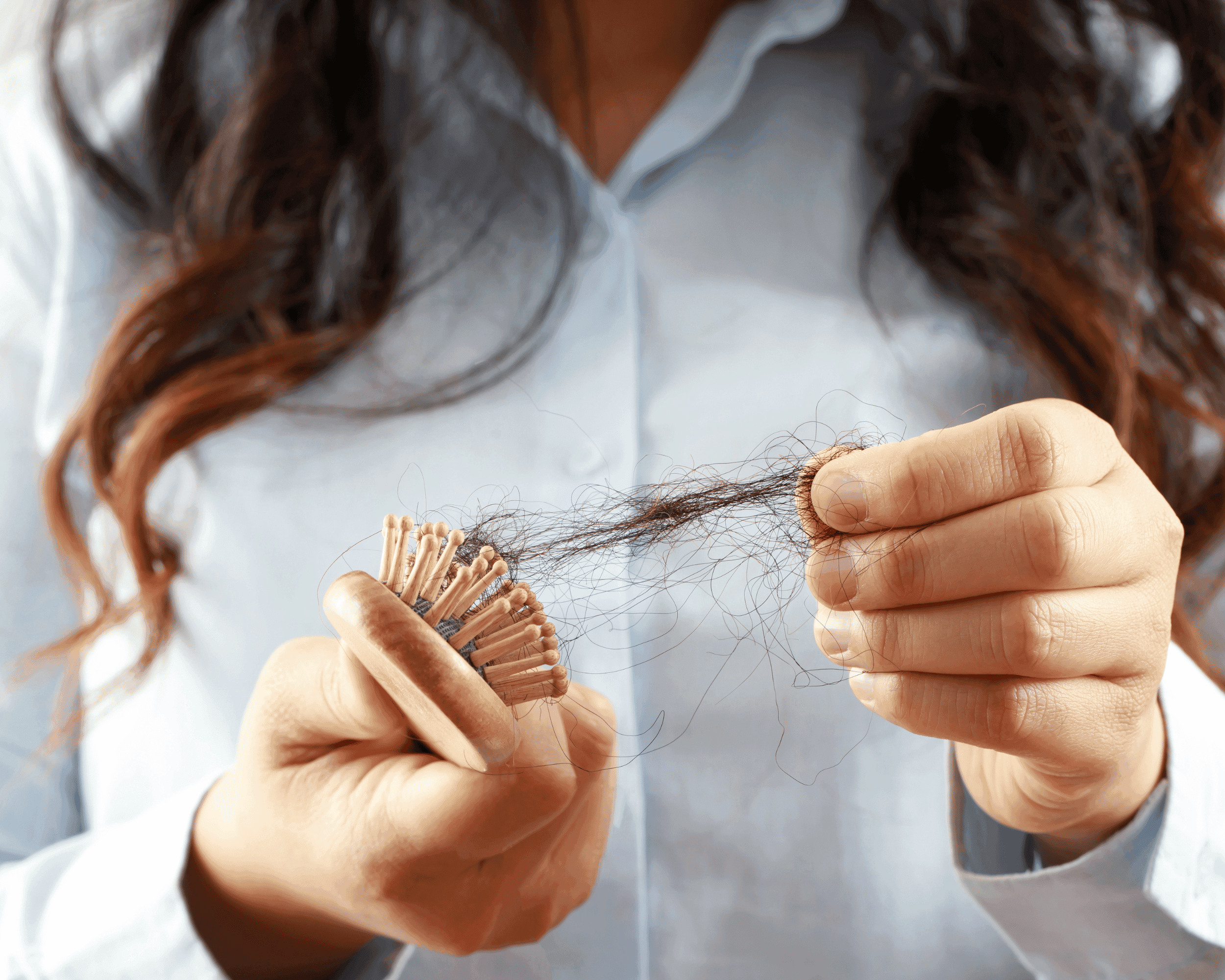
A common and distressing side effect of PCOS is hair loss. The good news is that there are many treatments to stop progression of hair loss.

A common and distressing side effect of PCOS is hair loss. The good news is that there are many treatments to stop progression of hair loss.

A common and distressing side effect of PCOS is hair loss. The good news is that there are many treatments to stop progression of hair loss.

Table of Contents

Table of Contents

Table of Contents

  • References

  • References

  • References

A common and distressing side effect of PCOS is hair loss. In most patients with PCOS. This hair loss is caused by Androgenic Alopecia.

PCOS leads to elevated levels of testosterone and other androgens, such as DHT. Similar to male pattern hair loss, DHT attacks hair follicles and can led to a progressive process called miniaturization. Hairs can slowly become more fine and sparse, particularly on the top and crown of the head and ultimately fall out or stop growing.

The good news is that there are many treatments to stop progression of hair loss.

1) Minoxidil: 5%

Minoxidil has been approved for regrowth of hair for decades, and while some patients do not see immediate results, it has been proven to maintain hair in many patients. Consistent use daily is necessary, as this medication works to dilate blood vessels to increase the number and thickness of new hairs.

2) Androgen blockers: Spironolactone and Cyproterone Acetate

Spironolactone and Cyproterone Acetate are two medications that act as anti-androgens. These prescription medications can help to decrease further miniaturization and block the effects of high testosterone and DHT on the scalp. Spironolactone is also a diuretic, and some patients notice less water-weight retention.

3) Anti-androgen progesterone containing Oral Contraceptives

In combination-pill birth control, there are two components: Estrogen and Progesterone. There are many different types of progesterone components in these medications, including some which have anti-androgen properties! Drospirenone in particular is an anti-androgenic progestin that can help to alleviate symptoms of hirsutism and hair loss in PCOS patients.
A common and distressing side effect of PCOS is hair loss. In most patients with PCOS. This hair loss is caused by Androgenic Alopecia.

PCOS leads to elevated levels of testosterone and other androgens, such as DHT. Similar to male pattern hair loss, DHT attacks hair follicles and can led to a progressive process called miniaturization. Hairs can slowly become more fine and sparse, particularly on the top and crown of the head and ultimately fall out or stop growing.

The good news is that there are many treatments to stop progression of hair loss.

1) Minoxidil: 5%

Minoxidil has been approved for regrowth of hair for decades, and while some patients do not see immediate results, it has been proven to maintain hair in many patients. Consistent use daily is necessary, as this medication works to dilate blood vessels to increase the number and thickness of new hairs.

2) Androgen blockers: Spironolactone and Cyproterone Acetate

Spironolactone and Cyproterone Acetate are two medications that act as anti-androgens. These prescription medications can help to decrease further miniaturization and block the effects of high testosterone and DHT on the scalp. Spironolactone is also a diuretic, and some patients notice less water-weight retention.

3) Anti-androgen progesterone containing Oral Contraceptives

In combination-pill birth control, there are two components: Estrogen and Progesterone. There are many different types of progesterone components in these medications, including some which have anti-androgen properties! Drospirenone in particular is an anti-androgenic progestin that can help to alleviate symptoms of hirsutism and hair loss in PCOS patients.
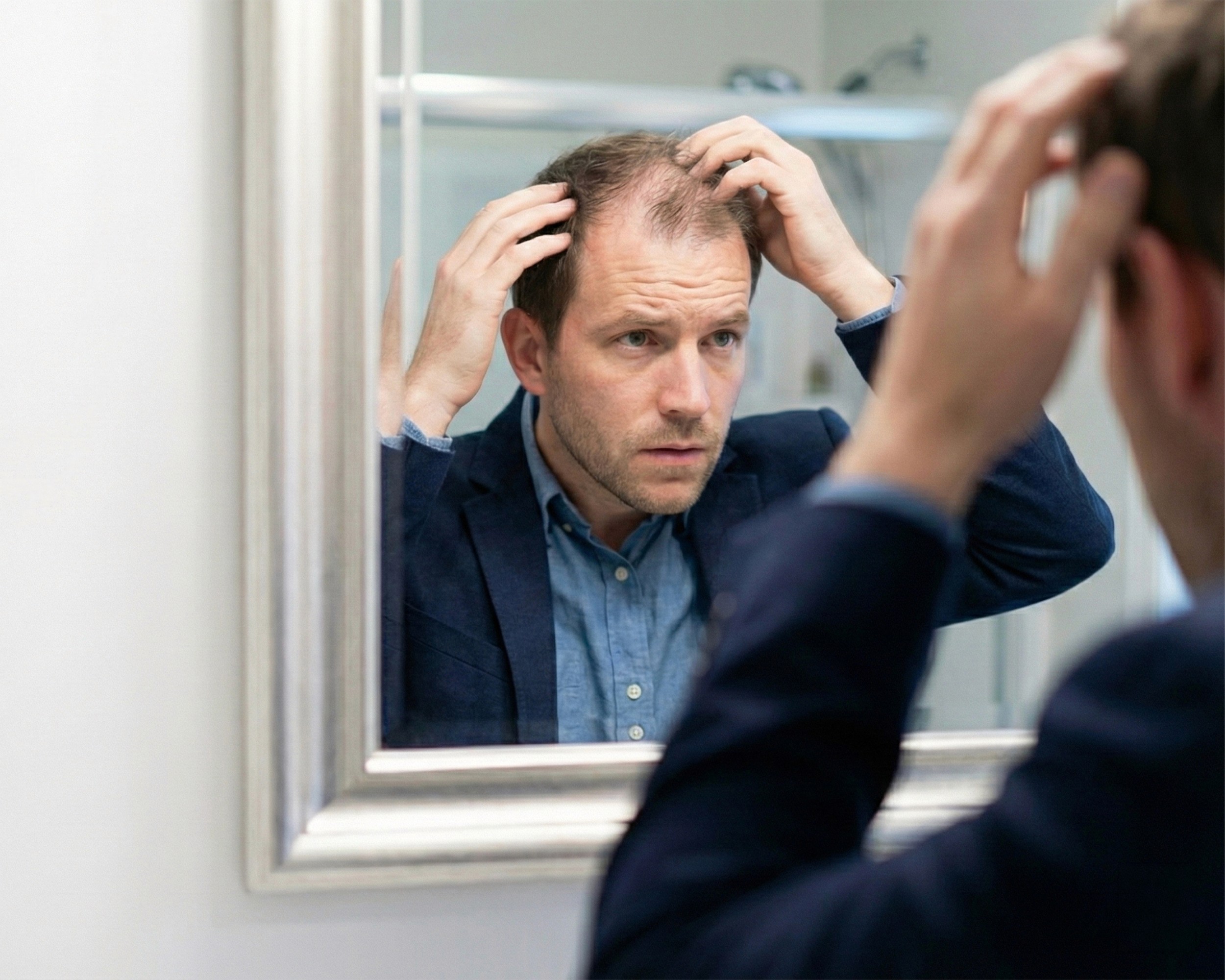
A common and distressing side effect of PCOS is hair loss. In most patients with PCOS. This hair loss is caused by Androgenic Alopecia.

PCOS leads to elevated levels of testosterone and other androgens, such as DHT. Similar to male pattern hair loss, DHT attacks hair follicles and can led to a progressive process called miniaturization. Hairs can slowly become more fine and sparse, particularly on the top and crown of the head and ultimately fall out or stop growing.

The good news is that there are many treatments to stop progression of hair loss.

1) Minoxidil: 5%

Minoxidil has been approved for regrowth of hair for decades, and while some patients do not see immediate results, it has been proven to maintain hair in many patients. Consistent use daily is necessary, as this medication works to dilate blood vessels to increase the number and thickness of new hairs.

2) Androgen blockers: Spironolactone and Cyproterone Acetate

Spironolactone and Cyproterone Acetate are two medications that act as anti-androgens. These prescription medications can help to decrease further miniaturization and block the effects of high testosterone and DHT on the scalp. Spironolactone is also a diuretic, and some patients notice less water-weight retention.

3) Anti-androgen progesterone containing Oral Contraceptives

In combination-pill birth control, there are two components: Estrogen and Progesterone. There are many different types of progesterone components in these medications, including some which have anti-androgen properties! Drospirenone in particular is an anti-androgenic progestin that can help to alleviate symptoms of hirsutism and hair loss in PCOS patients.

Read next

2 feb 2026

How Mochi is Building a Provider Network That Puts Patients First

2 feb 2026

How Mochi is Building a Provider Network That Puts Patients First

2 feb 2026

How Mochi is Building a Provider Network That Puts Patients First

26 ene 2026

How Mochi is Transforming Medication Access

26 ene 2026

How Mochi is Transforming Medication Access

26 ene 2026

How Mochi is Transforming Medication Access

9 dic 2025

GLP-1s for Pre-diabetes: Can You Prevent Type II Diabetes?

9 dic 2025

GLP-1s for Pre-diabetes: Can You Prevent Type II Diabetes?

9 dic 2025

GLP-1s for Pre-diabetes: Can You Prevent Type II Diabetes?

2 dic 2025

The Stigma Problem: Why Patients on GLP-1s Don't Owe Anyone an Explanation

2 dic 2025

The Stigma Problem: Why Patients on GLP-1s Don't Owe Anyone an Explanation

2 dic 2025

The Stigma Problem: Why Patients on GLP-1s Don't Owe Anyone an Explanation

21 nov 2025

Which Additive is Best for You? GLP-1 Additives Explained: B12, L-Carnitine, and More

21 nov 2025

Which Additive is Best for You? GLP-1 Additives Explained: B12, L-Carnitine, and More

21 nov 2025

Which Additive is Best for You? GLP-1 Additives Explained: B12, L-Carnitine, and More

20 nov 2025

The Link Between GLP-1s and Inflammation: CRP, Cytokines, and Immune Effects

20 nov 2025

The Link Between GLP-1s and Inflammation: CRP, Cytokines, and Immune Effects

20 nov 2025

The Link Between GLP-1s and Inflammation: CRP, Cytokines, and Immune Effects

19 nov 2025

CagriSema: The New GLP 1 and Amylin Combination That May Transform Obesity Treatment

19 nov 2025

CagriSema: The New GLP 1 and Amylin Combination That May Transform Obesity Treatment

19 nov 2025

CagriSema: The New GLP 1 and Amylin Combination That May Transform Obesity Treatment

19 nov 2025

GLP 1s and Cardiometabolic Health: How These Medications Support the Heart and Long Term Wellness

19 nov 2025

GLP 1s and Cardiometabolic Health: How These Medications Support the Heart and Long Term Wellness

19 nov 2025

GLP 1s and Cardiometabolic Health: How These Medications Support the Heart and Long Term Wellness

18 nov 2025

Why Protein Intake Matters on GLP-1 Medications and How Much You Really Need

18 nov 2025

Why Protein Intake Matters on GLP-1 Medications and How Much You Really Need

18 nov 2025

Why Protein Intake Matters on GLP-1 Medications and How Much You Really Need

17 nov 2025

Mochi NAD+: Understanding How This Essential Molecule Supports Energy, Cellular Health, and Longevity

17 nov 2025

Mochi NAD+: Understanding How This Essential Molecule Supports Energy, Cellular Health, and Longevity

17 nov 2025

Mochi NAD+: Understanding How This Essential Molecule Supports Energy, Cellular Health, and Longevity

16 nov 2025

Mochi Menopause: Expert Menopause Care with Estradiol Pills, Progesterone, and Hormone Creams

16 nov 2025

Mochi Menopause: Expert Menopause Care with Estradiol Pills, Progesterone, and Hormone Creams

16 nov 2025

Mochi Menopause: Expert Menopause Care with Estradiol Pills, Progesterone, and Hormone Creams

31 oct 2025

What is GLP-1 Microdosing & How Does it Work?

31 oct 2025

What is GLP-1 Microdosing & How Does it Work?

31 oct 2025

What is GLP-1 Microdosing & How Does it Work?

Ready to transform your health?

Unlock access to expert guidance and a weight care plan crafted just for you.

Ready to transform your health?

Unlock access to expert guidance and a weight care plan crafted just for you.

Ready to transform your health?

Unlock access to expert guidance and a weight care plan crafted just for you.

Personalized care designed for you.

© 2026 Mochi Health

All professional medical services are provided by licensed physicians and clinicians affiliated with independently owned and operated professional practices. Mochi Health Corp. provides administrative and technology services to affiliated medical practices it supports, and does not provide any professional medical services itself.

Personalized care designed for you.

© 2026 Mochi Health

All professional medical services are provided by licensed physicians and clinicians affiliated with independently owned and operated professional practices. Mochi Health Corp. provides administrative and technology services to affiliated medical practices it supports, and does not provide any professional medical services itself.

Personalized care designed for you.

© 2026 Mochi Health

All professional medical services are provided by licensed physicians and clinicians affiliated with independently owned and operated professional practices. Mochi Health Corp. provides administrative and technology services to affiliated medical practices it supports, and does not provide any professional medical services itself.