Ready to transform your health?
Unlock access to expert guidance and a weight care plan crafted just for you.
Similar Articles
Similar Articles
Bariatric Surgery Recovery: What To Expect
Bariatric Surgery Recovery: What To Expect
Learn what to expect during bariatric surgery recovery, from diet progression and managing symptoms to long-term nutrition and GLP-1 options after surgery.
Learn what to expect during bariatric surgery recovery, from diet progression and managing symptoms to long-term nutrition and GLP-1 options after surgery.

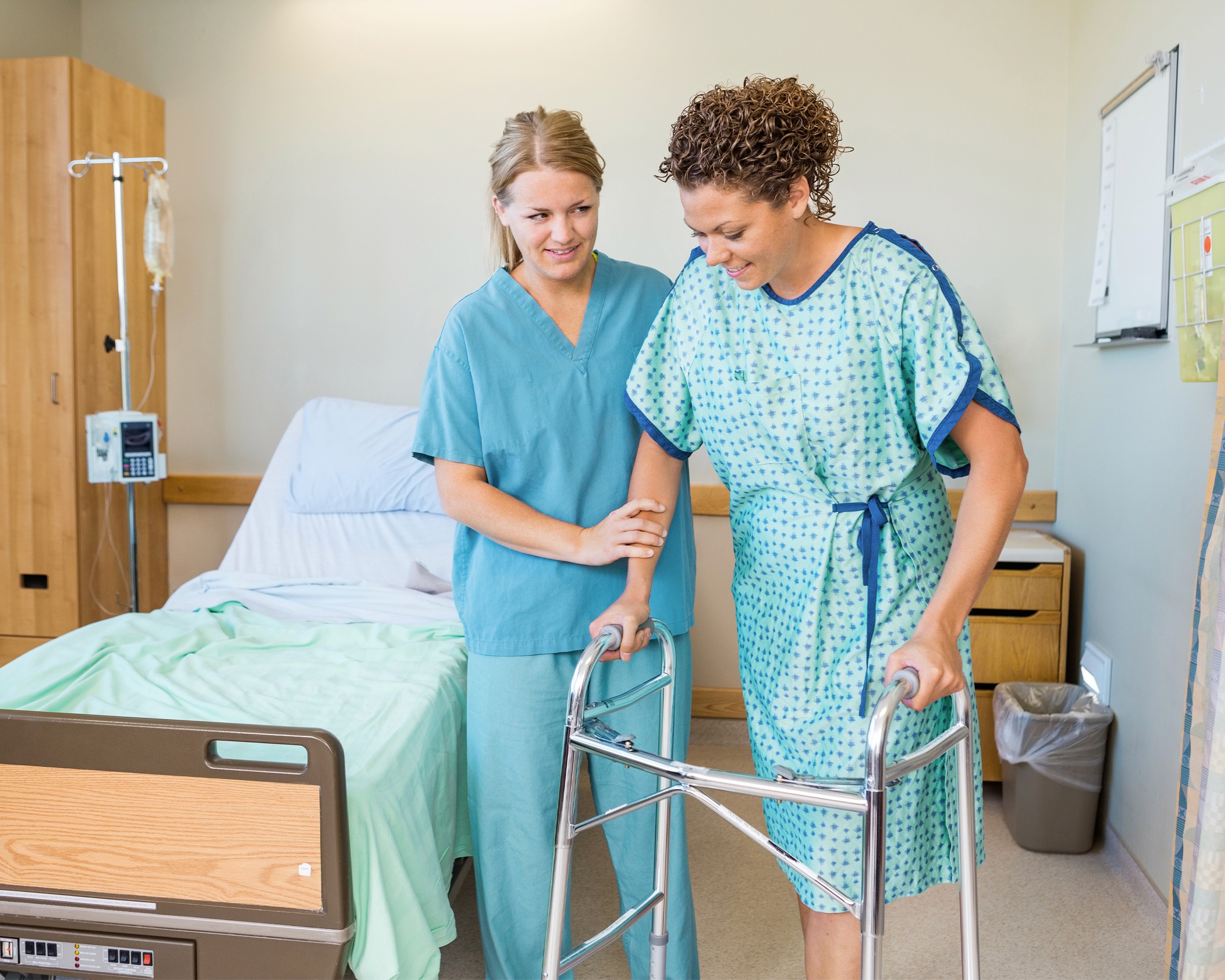
Table of Contents
Table of Contents
Key Takeaways
What To Expect in the First 30 Days After Bariatric Surgery
Diet Progression After Surgery: From Liquids to Solid Foods
Phase 1: Liquids
Phase 2: Blended Foods
Phase 3: Soft Foods
Phase 4: Solid Foods
Managing Pain, Fatigue, and Emotional Changes Post-Surgery
Long-Term Lifestyle Changes Required After Bariatric Procedures
GLP-1 Medications After Bariatric Surgery: Are They Still an Option?
FAQs
Check Your Eligibility
Key Takeaways
What To Expect in the First 30 Days After Bariatric Surgery
Diet Progression After Surgery: From Liquids to Solid Foods
Phase 1: Liquids
Phase 2: Blended Foods
Phase 3: Soft Foods
Phase 4: Solid Foods
Managing Pain, Fatigue, and Emotional Changes Post-Surgery
Long-Term Lifestyle Changes Required After Bariatric Procedures
GLP-1 Medications After Bariatric Surgery: Are They Still an Option?
FAQs
Check Your Eligibility
Key Takeaways
Recovery after bariatric surgery is a gradual process, especially in the first 4–6 weeks as your body heals and your diet progresses.
Symptoms like fatigue, nausea, and abdominal discomfort are common and usually improve with time.
Nutrient deficiencies are common after surgery, which is why lifelong vitamin supplementation and regular lab monitoring are important.
Some patients may benefit from GLP-1 medications after bariatric surgery, especially if weight loss slows or weight regain occurs.
Most patients feel better overall after bariatric surgery.
Bariatric surgery can be life-changing, but the journey doesn’t end once the procedure is over. Recovery is a crucial step, and knowing what to expect can make the process smoother and less overwhelming. From adjusting your diet to managing discomfort, this article will walk you through the key stages of bariatric surgery recovery so you can feel more informed.
What To Expect in the First 30 Days After Bariatric Surgery
Experiencing symptoms after bariatric surgery is very common [1, 2]. Specifically, early symptoms such as fatigue, nausea, and abdominal discomfort are the most common [2]. In a large population study of patients who underwent gastric bypass, nearly 9 out of 10 patients reported at least one postoperative symptom, even years after surgery [2]. Luckily, most patients report improved symptoms with time and dietary adjustments [1].
Some of the most frequently reported symptoms include:
Fatigue [1, 2]
Abdominal pain [2, 4]
Dumping symptoms (such as nausea, diarrhea, palpitations, or lightheadedness after eating) [1, 2, 4]
Dumping syndrome happens when food, especially sugary or high-carbohydrate foods, moves too quickly from the stomach into the small intestine. Because the stomach is smaller after bariatric surgery, it can’t slow digestion the way it used to, which can trigger uncomfortable symptoms shortly after eating.
Food intolerances, especially to sugary or high-fat foods [1]
Anemia [1, 2, 4]
Kidney stones [2, 4]
Gallstones [2]
Loose skin [1]
Reflux [1, 4]
Diet Progression After Surgery: From Liquids to Solid Foods
Slow progression of your diet from clear liquids to regular food over 4-6 weeks after bariatric surgery is necessary [1, 6]. This allows the surgical site to heal best and help prevent complications [6].
Because the stomach is smaller and empties more quickly [4], certain eating behaviors help prevent discomfort and improve tolerance like:
Eat slowly [3, 5]
Chew food thoroughly [3, 5]
Stop eating as soon as you feel full [5]
Avoid eating and drinking at the same time [1]
Limit simple sugars to less than 10% of daily calories [3]
Phase 1: Liquids
The first day after surgery, most patients are prescribed a clear liquid diet [3, 5]. Once you’re tolerating clear liquids, you can start having other liquids like broth, juice, uncaffeinated coffee or tea, sugar-free gelatin, popsicles, and low-fat milk [3, 5].
Phase 2: Blended Foods
After about a week of tolerating liquids, most patients start eating pureed or blended foods [5]. During this stage, everything should be smooth and without chunks or solid pieces [3, 5]. Make sure to keep portions small and eat slowly, giving yourself about 30 minutes to eat each meal [5].
Focus on foods that blend easily, such as lean ground meat, poultry, or fish, cottage cheese, soft scrambled eggs, cooked cereals, soft fruits, and well-cooked vegetables [5]. You can also include strained cream soups [5]. If needed, solid foods can be blended with liquids like water, skim milk, no-sugar-added juice, or broth to help achieve the right consistency [5].
Phase 3: Soft Foods
After a few weeks of pureed foods, and once your doctor says it's okay, you can start adding soft foods back into your diet [3, 5]. These should be small, tender pieces that are easy to chew [5].
Soft food options include things like ground lean meat or poultry, flaked fish, eggs, and cottage cheese [5]. You can also add cooked or dry cereal, rice, soft fruits (like canned or fresh without skin or seeds), and cooked vegetables without the skin [5].
Phase 4: Solid Foods
Around 8 weeks after surgery, many patients can begin slowly reintroducing firmer foods [3, 5]. It’s important to stop eating before you feel overly full [5]. As your body adjusts to solid foods, meal size and frequency may vary depending on what you tolerate [5].
When adding new foods, it’s a good idea to try them one at a time [5]. Some foods may trigger symptoms like discomfort, nausea, or vomiting after gastric bypass surgery [5]. Foods that are more likely to cause issues at this stage include breads, carbonated drinks, raw vegetables, and fibrous cooked vegetables like celery, broccoli, corn, or cabbage [5]. Tough meats, meats with gristle, and red meat can also be harder to tolerate, along with fried foods, heavily seasoned or spicy foods, nuts, seeds, and popcorn [5].
Over time, some of these foods may become easier to tolerate, especially with guidance from your doctor [5].
Managing Pain, Fatigue, and Emotional Changes Post-Surgery
Rapid weight loss can lead to temporary physical changes such as cold intolerance, hair loss, and fatigue [1]. These symptoms are commonly reported during the first year and often improve as weight loss stabilizes and nutritional status improves [1].
Recovery also involves psychological adjustment [1]. Changes in eating habits, body image, and social situations can be emotionally complex [1]. Research shows that while most patients feel better overall after surgery [1], a higher symptom burden is associated with lower quality of life, reinforcing the importance of ongoing medical and emotional support.
Long-Term Lifestyle Changes Required After Bariatric Procedures
Bariatric surgery changes how food is digested and absorbed, which puts patients at higher risk for nutrient deficiencies [1, 4]. Smaller portion sizes, food intolerances, nausea, vomiting, or diarrhea can also make it harder to meet nutritional needs [4]. Even before surgery, many patients already have vitamin or mineral deficiencies, and these can become more noticeable after surgery when eating patterns change [4].
The most common deficiencies after bariatric surgery include [1, 3]:
Iron
Vitamin A
Vitamin B1 (thiamine)
Vitamin B9 (folate)
Vitamin B12 (cobalamin)
Calcium
Vitamin D
Protein
These nutrients play important roles in energy levels, red blood cell production, nerve function, and bone health. Vitamin and mineral supplementation after bariatric surgery is lifelong, and deficiencies can still develop months or years later [1, 3]. Regular follow-up appointments and lab work help catch these early and allow for adjustments in supplementation [3, 4].
Protein intake is particularly critical during recovery [1, 3]. Getting enough protein helps preserve muscle mass, supports healing, and reduces fatigue during rapid weight loss [1]. When intake is too low, patients may notice symptoms like weakness, hair thinning, or low energy [1]. Prioritizing protein at meals and using supplements when needed can help prevent this.
In addition to nutrition, long-term success also involves lifestyle changes such as regular physical activity and building sustainable habits over time [1, 4]. Staying active and making consistent, healthy choices play an important role in maintaining weight loss and supporting overall health after surgery [1, 2, 4].
In a large study of over 2,000 patients who underwent bariatric surgery, nearly 90% reported feeling better after the procedure [2]. So even though this can sound like a lot at first, most patients seem to think it’s worth it. Many patients find that as they adjust, they feel more in control of their health and notice improvements not just in weight, but in their overall well-being [1].
GLP-1 Medications After Bariatric Surgery: Are They Still an Option?
GLP-1 medications can still be used after bariatric surgery, especially for patients who don’t lose as much weight as expected or start regaining weight [6]. About 20–30% of patients fall into this group, which is where medications can come into play [6].
Traditionally, options for weight regain were limited to lifestyle changes or revision surgery, but newer medications like GLP-1 receptor agonists have added another approach. These medications have been shown in both clinical trials and observational studies to help with additional weight loss and improve conditions like diabetes after bariatric surgery [6].
In a large national study, around 14% of patients started a GLP-1 medication after surgery, and in some datasets this number was closer to 17% [6]. Most patients didn’t start these medications right away [6]. They were more commonly introduced a few years after surgery, often when weight loss had slowed or weight regain had started [6]. Some clinical trials have shown meaningful additional weight loss in patients who struggled to lose weight after surgery compared to those who did not receive medication [6].
There’s still some uncertainty about the best time to start these medications after bariatric surgery [6]. Some providers wait until weight regain begins, while others consider starting them earlier if weight loss starts to plateau [6].
Overall, GLP-1 medications are becoming more common in long-term weight management after bariatric surgery. They aren’t needed for everyone, but for some people, they can be a helpful tool alongside healthy eating, exercise, and regular follow-up care [6].
FAQs
How long is the recovery from bariatric surgery?
Most of the initial recovery happens within the first 4–6 weeks, but full adjustment takes longer. Your body is still adapting to changes in digestion, eating habits, and weight loss for several months.
What is dumping syndrome?
Dumping syndrome happens when food, especially sugary or high-carbohydrate foods, moves too quickly from the stomach into the small intestine. Because the stomach is smaller after bariatric surgery, it can’t slow digestion the way it used to, which can trigger uncomfortable symptoms shortly after eating.
When can I eat normal food again?
Most patients start eating solid food around 8 weeks after surgery. Of course, this depends on how well you tolerate the diet progression and your doctor’s recommendations.
Will I have to take vitamins forever?
Usually, yes. Bariatric surgery affects how your body absorbs nutrients, so lifelong vitamin and mineral supplementation is usually necessary to prevent deficiencies.
Can GLP-1 medications help if I regain weight after bariatric surgery?
They can. Studies show these medications can help with additional weight loss in people who regain weight or didn’t lose as much as expected after surgery.
Check Your Eligibility
If you're recovering from bariatric surgery, you’re not alone! A healthcare provider on Mochi Health's telehealth platform can help you determine the best course of action for your needs. Check your eligibility here.
Disclaimer: This article is for educational purposes only and should not be considered medical advice. The information provided does not constitute recommendations for treatment. Always consult with your healthcare provider about your specific situation, symptoms, and treatment options.
References
Banerjee, E. S., Schroeder, R., & Harrison, T. D. (2022). Metabolic surgery for adult obesity: Common questions and answers. American Family Physician, 105(6), 593–601. https://www.aafp.org/pubs/afp/issues/2022/0600/p593.html
Gribsholt, S. B., Pedersen, A. M., Svensson, E., Thomsen, R. W., & Richelsen, B. (2016). Prevalence of self-reported symptoms after gastric bypass surgery for obesity. JAMA Surgery, 151(6), 504–511. https://doi.org/10.1001/jamasurg.2015.5110
Mechanick, J. I., Apovian, C., Brethauer, S., et al. (2020). Clinical practice guidelines for the perioperative nutrition, metabolic, and nonsurgical support of patients undergoing bariatric procedures—2019 update: Cosponsored by American Association of Clinical Endocrinologists/American College of Endocrinology, The Obesity Society, American Society for Metabolic and Bariatric Surgery, Obesity Medicine Association, and American Society of Anesthesiologists. Obesity, 28(4), O1–O58. https://doi.org/10.1002/oby.22719
Moizé, V., Laferrère, B., & Shapses, S. (2024). Nutritional challenges and treatment after bariatric surgery. Annual Review of Nutrition, 44(1), 289–312. https://doi.org/10.1146/annurev-nutr-061121-101547
Mayo Clinic Staff. (n.d.). Gastric bypass diet: What to eat after the surgery. Mayo Clinic. https://www.mayoclinic.org/tests-procedures/gastric-bypass-surgery/in-depth/gastric-bypass-diet/art-20048472
Kim, M., Schweitzer, M. A., Kim, J. S., Alexander, G. C., & Mehta, H. B. (2025). Use of glucagon-like peptide-1 agonists among individuals undergoing bariatric surgery in the US. JAMA Surgery, 160(10), 1058–1066. https://doi.org/10.1001/jamasurg.2025.3089
Key Takeaways
Recovery after bariatric surgery is a gradual process, especially in the first 4–6 weeks as your body heals and your diet progresses.
Symptoms like fatigue, nausea, and abdominal discomfort are common and usually improve with time.
Nutrient deficiencies are common after surgery, which is why lifelong vitamin supplementation and regular lab monitoring are important.
Some patients may benefit from GLP-1 medications after bariatric surgery, especially if weight loss slows or weight regain occurs.
Most patients feel better overall after bariatric surgery.
Bariatric surgery can be life-changing, but the journey doesn’t end once the procedure is over. Recovery is a crucial step, and knowing what to expect can make the process smoother and less overwhelming. From adjusting your diet to managing discomfort, this article will walk you through the key stages of bariatric surgery recovery so you can feel more informed.
What To Expect in the First 30 Days After Bariatric Surgery
Experiencing symptoms after bariatric surgery is very common [1, 2]. Specifically, early symptoms such as fatigue, nausea, and abdominal discomfort are the most common [2]. In a large population study of patients who underwent gastric bypass, nearly 9 out of 10 patients reported at least one postoperative symptom, even years after surgery [2]. Luckily, most patients report improved symptoms with time and dietary adjustments [1].
Some of the most frequently reported symptoms include:
Fatigue [1, 2]
Abdominal pain [2, 4]
Dumping symptoms (such as nausea, diarrhea, palpitations, or lightheadedness after eating) [1, 2, 4]
Dumping syndrome happens when food, especially sugary or high-carbohydrate foods, moves too quickly from the stomach into the small intestine. Because the stomach is smaller after bariatric surgery, it can’t slow digestion the way it used to, which can trigger uncomfortable symptoms shortly after eating.
Food intolerances, especially to sugary or high-fat foods [1]
Anemia [1, 2, 4]
Kidney stones [2, 4]
Gallstones [2]
Loose skin [1]
Reflux [1, 4]
Diet Progression After Surgery: From Liquids to Solid Foods
Slow progression of your diet from clear liquids to regular food over 4-6 weeks after bariatric surgery is necessary [1, 6]. This allows the surgical site to heal best and help prevent complications [6].
Because the stomach is smaller and empties more quickly [4], certain eating behaviors help prevent discomfort and improve tolerance like:
Eat slowly [3, 5]
Chew food thoroughly [3, 5]
Stop eating as soon as you feel full [5]
Avoid eating and drinking at the same time [1]
Limit simple sugars to less than 10% of daily calories [3]
Phase 1: Liquids
The first day after surgery, most patients are prescribed a clear liquid diet [3, 5]. Once you’re tolerating clear liquids, you can start having other liquids like broth, juice, uncaffeinated coffee or tea, sugar-free gelatin, popsicles, and low-fat milk [3, 5].
Phase 2: Blended Foods
After about a week of tolerating liquids, most patients start eating pureed or blended foods [5]. During this stage, everything should be smooth and without chunks or solid pieces [3, 5]. Make sure to keep portions small and eat slowly, giving yourself about 30 minutes to eat each meal [5].
Focus on foods that blend easily, such as lean ground meat, poultry, or fish, cottage cheese, soft scrambled eggs, cooked cereals, soft fruits, and well-cooked vegetables [5]. You can also include strained cream soups [5]. If needed, solid foods can be blended with liquids like water, skim milk, no-sugar-added juice, or broth to help achieve the right consistency [5].
Phase 3: Soft Foods
After a few weeks of pureed foods, and once your doctor says it's okay, you can start adding soft foods back into your diet [3, 5]. These should be small, tender pieces that are easy to chew [5].
Soft food options include things like ground lean meat or poultry, flaked fish, eggs, and cottage cheese [5]. You can also add cooked or dry cereal, rice, soft fruits (like canned or fresh without skin or seeds), and cooked vegetables without the skin [5].
Phase 4: Solid Foods
Around 8 weeks after surgery, many patients can begin slowly reintroducing firmer foods [3, 5]. It’s important to stop eating before you feel overly full [5]. As your body adjusts to solid foods, meal size and frequency may vary depending on what you tolerate [5].
When adding new foods, it’s a good idea to try them one at a time [5]. Some foods may trigger symptoms like discomfort, nausea, or vomiting after gastric bypass surgery [5]. Foods that are more likely to cause issues at this stage include breads, carbonated drinks, raw vegetables, and fibrous cooked vegetables like celery, broccoli, corn, or cabbage [5]. Tough meats, meats with gristle, and red meat can also be harder to tolerate, along with fried foods, heavily seasoned or spicy foods, nuts, seeds, and popcorn [5].
Over time, some of these foods may become easier to tolerate, especially with guidance from your doctor [5].
Managing Pain, Fatigue, and Emotional Changes Post-Surgery
Rapid weight loss can lead to temporary physical changes such as cold intolerance, hair loss, and fatigue [1]. These symptoms are commonly reported during the first year and often improve as weight loss stabilizes and nutritional status improves [1].
Recovery also involves psychological adjustment [1]. Changes in eating habits, body image, and social situations can be emotionally complex [1]. Research shows that while most patients feel better overall after surgery [1], a higher symptom burden is associated with lower quality of life, reinforcing the importance of ongoing medical and emotional support.
Long-Term Lifestyle Changes Required After Bariatric Procedures
Bariatric surgery changes how food is digested and absorbed, which puts patients at higher risk for nutrient deficiencies [1, 4]. Smaller portion sizes, food intolerances, nausea, vomiting, or diarrhea can also make it harder to meet nutritional needs [4]. Even before surgery, many patients already have vitamin or mineral deficiencies, and these can become more noticeable after surgery when eating patterns change [4].
The most common deficiencies after bariatric surgery include [1, 3]:
Iron
Vitamin A
Vitamin B1 (thiamine)
Vitamin B9 (folate)
Vitamin B12 (cobalamin)
Calcium
Vitamin D
Protein
These nutrients play important roles in energy levels, red blood cell production, nerve function, and bone health. Vitamin and mineral supplementation after bariatric surgery is lifelong, and deficiencies can still develop months or years later [1, 3]. Regular follow-up appointments and lab work help catch these early and allow for adjustments in supplementation [3, 4].
Protein intake is particularly critical during recovery [1, 3]. Getting enough protein helps preserve muscle mass, supports healing, and reduces fatigue during rapid weight loss [1]. When intake is too low, patients may notice symptoms like weakness, hair thinning, or low energy [1]. Prioritizing protein at meals and using supplements when needed can help prevent this.
In addition to nutrition, long-term success also involves lifestyle changes such as regular physical activity and building sustainable habits over time [1, 4]. Staying active and making consistent, healthy choices play an important role in maintaining weight loss and supporting overall health after surgery [1, 2, 4].
In a large study of over 2,000 patients who underwent bariatric surgery, nearly 90% reported feeling better after the procedure [2]. So even though this can sound like a lot at first, most patients seem to think it’s worth it. Many patients find that as they adjust, they feel more in control of their health and notice improvements not just in weight, but in their overall well-being [1].
GLP-1 Medications After Bariatric Surgery: Are They Still an Option?
GLP-1 medications can still be used after bariatric surgery, especially for patients who don’t lose as much weight as expected or start regaining weight [6]. About 20–30% of patients fall into this group, which is where medications can come into play [6].
Traditionally, options for weight regain were limited to lifestyle changes or revision surgery, but newer medications like GLP-1 receptor agonists have added another approach. These medications have been shown in both clinical trials and observational studies to help with additional weight loss and improve conditions like diabetes after bariatric surgery [6].
In a large national study, around 14% of patients started a GLP-1 medication after surgery, and in some datasets this number was closer to 17% [6]. Most patients didn’t start these medications right away [6]. They were more commonly introduced a few years after surgery, often when weight loss had slowed or weight regain had started [6]. Some clinical trials have shown meaningful additional weight loss in patients who struggled to lose weight after surgery compared to those who did not receive medication [6].
There’s still some uncertainty about the best time to start these medications after bariatric surgery [6]. Some providers wait until weight regain begins, while others consider starting them earlier if weight loss starts to plateau [6].
Overall, GLP-1 medications are becoming more common in long-term weight management after bariatric surgery. They aren’t needed for everyone, but for some people, they can be a helpful tool alongside healthy eating, exercise, and regular follow-up care [6].
FAQs
How long is the recovery from bariatric surgery?
Most of the initial recovery happens within the first 4–6 weeks, but full adjustment takes longer. Your body is still adapting to changes in digestion, eating habits, and weight loss for several months.
What is dumping syndrome?
Dumping syndrome happens when food, especially sugary or high-carbohydrate foods, moves too quickly from the stomach into the small intestine. Because the stomach is smaller after bariatric surgery, it can’t slow digestion the way it used to, which can trigger uncomfortable symptoms shortly after eating.
When can I eat normal food again?
Most patients start eating solid food around 8 weeks after surgery. Of course, this depends on how well you tolerate the diet progression and your doctor’s recommendations.
Will I have to take vitamins forever?
Usually, yes. Bariatric surgery affects how your body absorbs nutrients, so lifelong vitamin and mineral supplementation is usually necessary to prevent deficiencies.
Can GLP-1 medications help if I regain weight after bariatric surgery?
They can. Studies show these medications can help with additional weight loss in people who regain weight or didn’t lose as much as expected after surgery.
Check Your Eligibility
If you're recovering from bariatric surgery, you’re not alone! A healthcare provider on Mochi Health's telehealth platform can help you determine the best course of action for your needs. Check your eligibility here.
Disclaimer: This article is for educational purposes only and should not be considered medical advice. The information provided does not constitute recommendations for treatment. Always consult with your healthcare provider about your specific situation, symptoms, and treatment options.
References
Banerjee, E. S., Schroeder, R., & Harrison, T. D. (2022). Metabolic surgery for adult obesity: Common questions and answers. American Family Physician, 105(6), 593–601. https://www.aafp.org/pubs/afp/issues/2022/0600/p593.html
Gribsholt, S. B., Pedersen, A. M., Svensson, E., Thomsen, R. W., & Richelsen, B. (2016). Prevalence of self-reported symptoms after gastric bypass surgery for obesity. JAMA Surgery, 151(6), 504–511. https://doi.org/10.1001/jamasurg.2015.5110
Mechanick, J. I., Apovian, C., Brethauer, S., et al. (2020). Clinical practice guidelines for the perioperative nutrition, metabolic, and nonsurgical support of patients undergoing bariatric procedures—2019 update: Cosponsored by American Association of Clinical Endocrinologists/American College of Endocrinology, The Obesity Society, American Society for Metabolic and Bariatric Surgery, Obesity Medicine Association, and American Society of Anesthesiologists. Obesity, 28(4), O1–O58. https://doi.org/10.1002/oby.22719
Moizé, V., Laferrère, B., & Shapses, S. (2024). Nutritional challenges and treatment after bariatric surgery. Annual Review of Nutrition, 44(1), 289–312. https://doi.org/10.1146/annurev-nutr-061121-101547
Mayo Clinic Staff. (n.d.). Gastric bypass diet: What to eat after the surgery. Mayo Clinic. https://www.mayoclinic.org/tests-procedures/gastric-bypass-surgery/in-depth/gastric-bypass-diet/art-20048472
Kim, M., Schweitzer, M. A., Kim, J. S., Alexander, G. C., & Mehta, H. B. (2025). Use of glucagon-like peptide-1 agonists among individuals undergoing bariatric surgery in the US. JAMA Surgery, 160(10), 1058–1066. https://doi.org/10.1001/jamasurg.2025.3089
Read next









Ready to transform your health?
Unlock access to expert guidance and a weight care plan crafted just for you.


Personalized care designed for you.

© 2026 Mochi Health
All professional medical services are provided by licensed physicians and clinicians affiliated with independently owned and operated professional practices. Mochi Health Corp. provides administrative and technology services to affiliated medical practices it supports, and does not provide any professional medical services itself.

Personalized care designed for you.
© 2026 Mochi Health
All professional medical services are provided by licensed physicians and clinicians affiliated with independently owned and operated professional practices. Mochi Health Corp. provides administrative and technology services to affiliated medical practices it supports, and does not provide any professional medical services itself.
Personalized care designed for you.
© 2026 Mochi Health
All professional medical services are provided by licensed physicians and clinicians affiliated with independently owned and operated professional practices. Mochi Health Corp. provides administrative and technology services to affiliated medical practices it supports, and does not provide any professional medical services itself.