Ready to transform your health?
Unlock access to expert guidance and a weight care plan crafted just for you.
Similar Articles
Similar Articles
Oxytocin Nasal Spray: Benefits, Side Effects & How It Works
Oxytocin Nasal Spray: Benefits, Side Effects & How It Works
Learn about oxytocin nasal spray benefits, side effects, dosage, and how this bonding hormone works for anxiety reduction and emotional processing.
Learn about oxytocin nasal spray benefits, side effects, dosage, and how this bonding hormone works for anxiety reduction and emotional processing.

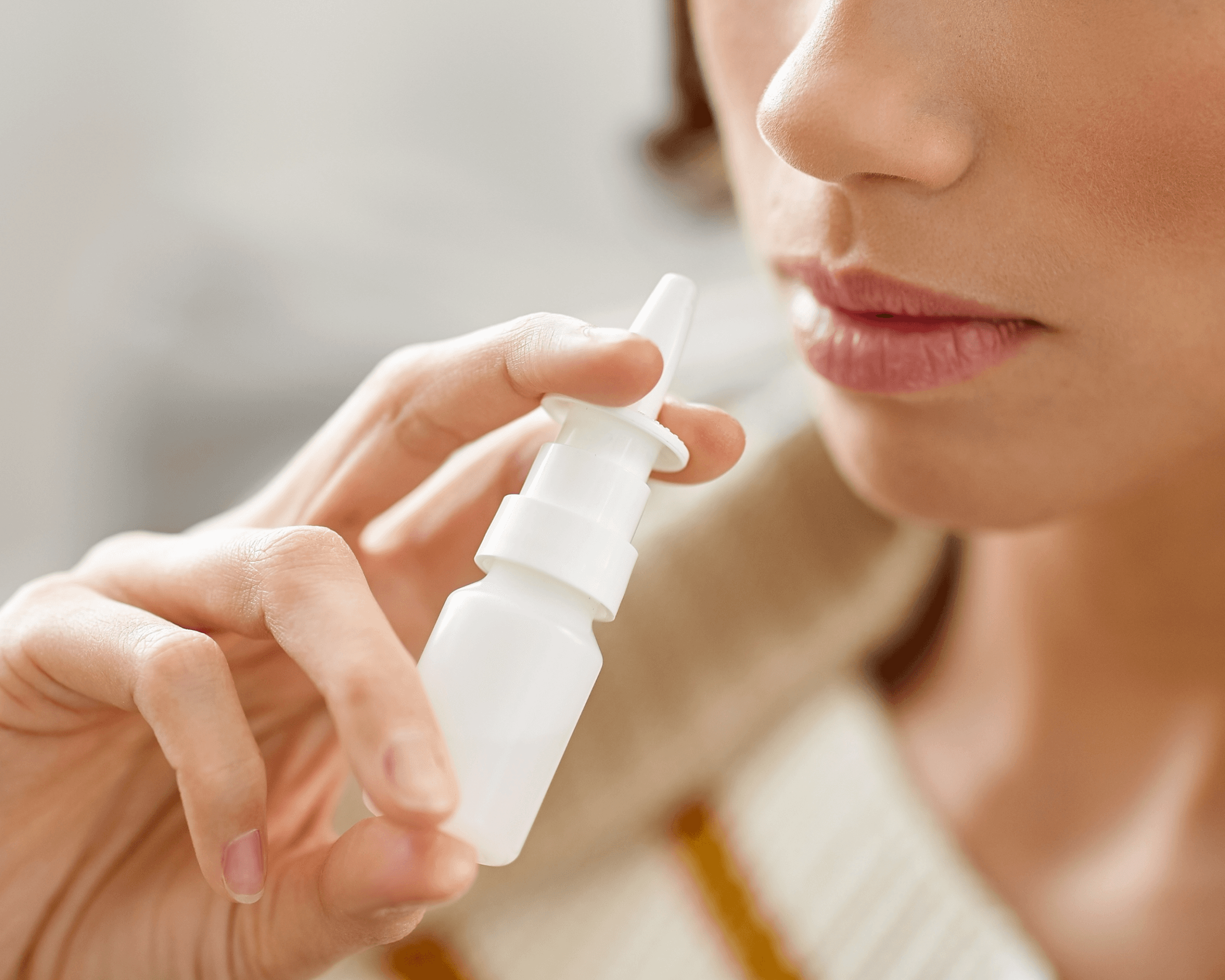
Table of Contents
Table of Contents
Key Takeaways
What Is Oxytocin Nasal Spray?
How Does Oxytocin Nasal Spray Work?
Benefits of Oxytocin Nasal Spray
Does Oxytocin Affect Men and Women Differently?
Side Effects of Oxytocin Nasal Spray
Can You Buy Oxytocin Nasal Spray Over the Counter?
Important: What You Should Know About Peptide Safety
How Much Does Oxytocin Nasal Spray Cost Through Mochi?
How to Get Oxytocin Nasal Spray
FAQs
Check Your Eligibility
Key Takeaways
What Is Oxytocin Nasal Spray?
How Does Oxytocin Nasal Spray Work?
Benefits of Oxytocin Nasal Spray
Does Oxytocin Affect Men and Women Differently?
Side Effects of Oxytocin Nasal Spray
Can You Buy Oxytocin Nasal Spray Over the Counter?
Important: What You Should Know About Peptide Safety
How Much Does Oxytocin Nasal Spray Cost Through Mochi?
How to Get Oxytocin Nasal Spray
FAQs
Check Your Eligibility
Key Takeaways
Oxytocin nasal spray delivers a synthetic version of the "bonding hormone" through the nose, where it can reach the brain more directly than other delivery methods.
In clinical trials at doses of 18 to 40 IU, intranasal oxytocin produced no reliable side effects compared to placebo in short-term use.
Research suggests potential benefits for social responsiveness, anxiety reduction, and emotional processing, though results are mixed and more studies are needed.
Oxytocin affects men and women differently. Studies show it enhances attention to positive social cues in women but negative cues in men.
Oxytocin nasal spray is a synthetic form of the hormone your body naturally produces during bonding, physical touch, and social connection. Delivered through the nose, it can reach the brain more directly than a pill or injection, which is why researchers have been studying it for conditions ranging from social anxiety to autism spectrum disorder (1, 2).
The evidence so far is promising in some areas and mixed in others. Some studies show improvements in social behavior and reduced anxiety, while others have found no significant benefits. Research suggests potential benefits for social responsiveness, anxiety reduction, and emotional processing, though results are mixed and more studies are needed (3, 6).
It is not FDA-approved for any condition, and it should only be used under the guidance of a healthcare provider given the variability in response and the limited long-term safety data available (1).
What Is Oxytocin Nasal Spray?
Oxytocin is a hormone produced by the hypothalamus and released by the pituitary gland. It plays a role in childbirth, breastfeeding, social bonding, trust, and the stress response. It is sometimes called the "love hormone" or "bonding hormone" because your body releases it during physical touch, eye contact, and moments of emotional closeness (1).
As a nasal spray, synthetic oxytocin is delivered through the nasal passages, where it is thought to reach the brain through a direct nose-to-brain pathway rather than going through the bloodstream first. This makes the nasal route faster and potentially more targeted than other delivery methods like injection (2).
How Does Oxytocin Nasal Spray Work?
The spray works by delivering oxytocin to brain regions involved in social behavior and emotional processing. One of the key targets is the amygdala, the part of your brain that processes fear, threat, and social cues (3).
Imaging studies support this. A meta-analysis of 66 brain-scan studies found that intranasal oxytocin consistently reduces amygdala activity in both healthy individuals and those with psychiatric conditions (3). In practical terms, this means the spray may help dial down the brain's threat response and make social interactions feel less stressful in certain contexts, though responses can vary between individuals.
Effects typically show up 30 to 70 minutes after administration. Research suggests a dose of around 24 IU and a wait time of 45 to 70 minutes produces the strongest effect on amygdala response (3).
Benefits of Oxytocin Nasal Spray
The research on oxytocin nasal spray spans several areas. Some findings are encouraging, but many need to be replicated in larger trials before drawing firm conclusions.
Social responsiveness: In one clinical trial, children with autism who received 24 IU of oxytocin daily for 5 weeks showed significant improvements in caregiver-rated social responsiveness compared to placebo (6). However, a larger 24-week trial found no significant difference between oxytocin and placebo for social interaction scores, so the evidence here is still mixed (1).
Anxiety and stress reduction. Oxytocin may reduce anxiety by lowering the brain's reactivity to threatening social cues. Studies have shown it can reduce cortisol levels and promote calmer responses in social situations (3). Researchers are exploring its potential for conditions like social anxiety and PTSD, though clinical evidence is still early and not yet sufficient to support routine clinical use.
Emotional processing and trust. Research suggests oxytocin can change how easily you recognize emotions in others and how you respond to social situations. One study found that men in monogamous relationships who received oxytocin kept a greater distance from attractive women compared to those who received a placebo, suggesting the hormone may reinforce existing pair bonds (8).
Important limitations: Oxytocin is not just a "feel-good" hormone. Research shows it enhances sensitivity to social cues in general, which can be positive in comfortable settings but may actually increase anxiety in stressful or ambiguous social situations (8).
Does Oxytocin Affect Men and Women Differently?
Yes, and the differences are significant. Women naturally have about three times higher baseline oxytocin levels than men (7).
Beyond baseline levels, the spray itself appears to do different things depending on sex. One study found that oxytocin increased women's attention to positive social cues. This is an important consideration clinically, as the same intervention may have different emotional or behavioral effects depending on the individual.(8).
Researchers believe this may relate to differences in oxytocin receptor density between the sexes, as well as interactions with estrogen, which can trigger both oxytocin release and oxytocin receptor activity in the amygdala (1, 8).
This is an active area of research, and it means that the effects of oxytocin therapy may need to be considered differently for men and women.
Side Effects of Oxytocin Nasal Spray
Intranasal oxytocin is generally well-tolerated. A systematic review of 38 randomized controlled trials covering over 1,500 participants found that at doses of 18 to 40 IU, the spray produced no reliable side effects distinguishable from placebo in short-term use (4).
When side effects do occur, they tend to be mild. The most commonly reported include nasal irritation, runny nose, headache, thirst, and dizziness (4, 5). In studies involving children and adolescents, reported side effects included drowsiness, dry throat, and occasional abdominal pain (5).
One thing to be aware of: because oxytocin increases sensitivity to social cues, using it in a stressful environment could potentially heighten anxiety rather than reduce it. This is why context matters, and why it should be used under the guidance of a provider who can help you understand when and how to use it (8).
Can You Buy Oxytocin Nasal Spray Over the Counter?
No, you can't buy therapeutic oxytocin nasal spray over the counter. Prescription compounded oxytocin nasal spray is different. These formulations are prepared by licensed compounding pharmacies (called 503A pharmacies) based on a prescription from your healthcare provider. While compounded formulations are also not FDA-approved, they are legally available, prepared under pharmacy standards, and prescribed at specific doses tailored to you (9, 10). Even with compounded products, variability between pharmacies can exist, so sourcing from reputable pharmacies is important.
Injectable oxytocin (brand names Pitocin and Syntocinon) is FDA-approved, but only for obstetric uses like labor induction and postpartum bleeding, and it is administered in hospital settings under medical supervision (9).
Important: What You Should Know About Peptide Safety
Peptides are powerful tools for overall health and wellness, but navigating the safety and efficacy of these compounds requires careful attention. As naturally occurring signaling molecules, peptides play key roles in processes like hormone regulation, immune response, and tissue repair, which is what makes them so appealing for therapeutic use.
If you are interested in peptide therapy, the safest and most effective approach is one that involves a licensed practitioner who can prescribe pharmaceutical-grade peptides, ensure accurate dosing and sterile preparation, and monitor you throughout your course of treatment.
How Much Does Oxytocin Nasal Spray Cost Through Mochi?
Pricing for compounded oxytocin nasal spray through Mochi Health depends on the dosage, concentration, and formulation your provider prescribes, and availability can vary by pharmacy and by state. To see current options and costs, you can compare pharmacy pricing directly from your Mochi account or speak with your provider, who can review the formulations available to you.
How to Get Oxytocin Nasal Spray
Through Mochi Health, you start with an online consultation with an independent licensed provider. If your provider determines that oxytocin nasal spray is appropriate for you, they can write a prescription and the medication is shipped to you from a licensed compounding pharmacy.
Oxytocin nasal spray requires a prescription in the United States. Do not purchase unregulated oxytocin products online without a prescription, as these products may not contain what they claim and could pose safety risks.
FAQs
How long does oxytocin nasal spray take to work?
Most studies measure effects 30 to 70 minutes after administration. Studies suggest peak brain effects may occur between 45 and 70 minutes post-dose. The duration and intensity of effects can vary based on individual factors and dosage.
Is oxytocin nasal spray addictive?
No. Oxytocin is not generally considered addictive and does not create a physical dependency. It works by enhancing natural hormone signaling and does not stimulate dopamine in the same way as addictive substances.
Can oxytocin nasal spray help with anxiety?
Possibly, but context matters. Some studies suggest oxytocin may reduce anxiety in supportive social contexts by decreasing amygdala reactivity to threatening stimuli. However, in certain situations, it may actually increase sensitivity to social cues in ways that could heighten anxiety. A healthcare provider can help determine if oxytocin therapy is appropriate for your situation.
What is the typical dose of oxytocin nasal spray?
Clinical trials have used 18 to 48 IU, with 24 IU being the most common. Compounded sprays are typically dispensed in 10 to 30 mL bottles at concentrations of 50 to 500 IU. Your provider will determine the right dose for you (4, 6).
Can I use oxytocin nasal spray while pregnant or breastfeeding?
If you are pregnant, planning to become pregnant, or breastfeeding, discuss the risks and benefits with your provider before use. Injectable oxytocin is used medically to induce labor, but self-administration of oxytocin nasal spray during pregnancy could pose serious risks.
Are there any drug interactions with oxytocin nasal spray?
Oxytocin may interact with certain medications, including epinephrine, ondansetron (Zofran), and sertraline (Zoloft). Inform your provider about all medications you are taking before starting oxytocin therapy.
Check Your Eligibility
If you are interested in exploring oxytocin nasal spray for social bonding, stress reduction, or emotional wellness, an independent licensed provider on Mochi Health's telehealth platform can evaluate your individual situation and discuss whether peptide therapy may be appropriate for your needs. Check your eligibility here.
Disclaimer: This article is for educational purposes only and should not be considered medical advice. The information provided does not constitute recommendations for treatment. Always consult with your healthcare provider about your specific situation, symptoms, and treatment options.
References
Cleveland Clinic. Oxytocin: What It Is, Function & Effects. Cleveland Clinic. 2025.
Quintana DS, Lischke A, Grace S, et al. Advances in the field of intranasal oxytocin research: lessons learned and future directions for clinical research. Mol Psychiatry. 2021;26:21-29.
Spengler FB, Schultz J, Scheele D, et al. Kinetics and dose dependency of intranasal oxytocin effects on amygdala reactivity. Biol Psychiatry. 2017;82(12):885-894.
MacDonald E, Dadds MR, Brennan JL, et al. A review of safety, side-effects and subjective reactions to intranasal oxytocin in human research. Psychoneuroendocrinology. 2011;36(8):1114-1126.
DeMayo MM, Song YJC, Hickie IB, Guastella AJ. A Review of the Safety, Efficacy and Mechanisms of Delivery of Nasal Oxytocin in Children. Paediatr Drugs. 2017;19(5):391-410.
Yatawara CJ, Einfeld SL, Hickie IB, et al. The effect of oxytocin nasal spray on social interaction deficits observed in young children with autism: a randomized clinical crossover trial. Mol Psychiatry. 2016;21:1225-1231.
Marazziti D, Dell'Osso B, Baroni S, et al. Sex-Related Differences in Plasma Oxytocin Levels in Humans. Clin Pract Epidemiol Ment Health. 2019;15:58-63.
Gao S, Becker B, Luo L, et al. Oxytocin, the peptide that bonds the sexes also divides them. Proc Natl Acad Sci USA. 2016;113(27):7650-7654.
National Institutes of Health. Oxytocin. StatPearls. 2025.
Hillstone Pharmacy. Oxytocin Nasal Spray in 2026: A Clear Look at the Connection Hormone. Hillstone Pharmacy. 2026.
Key Takeaways
Oxytocin nasal spray delivers a synthetic version of the "bonding hormone" through the nose, where it can reach the brain more directly than other delivery methods.
In clinical trials at doses of 18 to 40 IU, intranasal oxytocin produced no reliable side effects compared to placebo in short-term use.
Research suggests potential benefits for social responsiveness, anxiety reduction, and emotional processing, though results are mixed and more studies are needed.
Oxytocin affects men and women differently. Studies show it enhances attention to positive social cues in women but negative cues in men.
Oxytocin nasal spray is a synthetic form of the hormone your body naturally produces during bonding, physical touch, and social connection. Delivered through the nose, it can reach the brain more directly than a pill or injection, which is why researchers have been studying it for conditions ranging from social anxiety to autism spectrum disorder (1, 2).
The evidence so far is promising in some areas and mixed in others. Some studies show improvements in social behavior and reduced anxiety, while others have found no significant benefits. Research suggests potential benefits for social responsiveness, anxiety reduction, and emotional processing, though results are mixed and more studies are needed (3, 6).
It is not FDA-approved for any condition, and it should only be used under the guidance of a healthcare provider given the variability in response and the limited long-term safety data available (1).
What Is Oxytocin Nasal Spray?
Oxytocin is a hormone produced by the hypothalamus and released by the pituitary gland. It plays a role in childbirth, breastfeeding, social bonding, trust, and the stress response. It is sometimes called the "love hormone" or "bonding hormone" because your body releases it during physical touch, eye contact, and moments of emotional closeness (1).
As a nasal spray, synthetic oxytocin is delivered through the nasal passages, where it is thought to reach the brain through a direct nose-to-brain pathway rather than going through the bloodstream first. This makes the nasal route faster and potentially more targeted than other delivery methods like injection (2).
How Does Oxytocin Nasal Spray Work?
The spray works by delivering oxytocin to brain regions involved in social behavior and emotional processing. One of the key targets is the amygdala, the part of your brain that processes fear, threat, and social cues (3).
Imaging studies support this. A meta-analysis of 66 brain-scan studies found that intranasal oxytocin consistently reduces amygdala activity in both healthy individuals and those with psychiatric conditions (3). In practical terms, this means the spray may help dial down the brain's threat response and make social interactions feel less stressful in certain contexts, though responses can vary between individuals.
Effects typically show up 30 to 70 minutes after administration. Research suggests a dose of around 24 IU and a wait time of 45 to 70 minutes produces the strongest effect on amygdala response (3).
Benefits of Oxytocin Nasal Spray
The research on oxytocin nasal spray spans several areas. Some findings are encouraging, but many need to be replicated in larger trials before drawing firm conclusions.
Social responsiveness: In one clinical trial, children with autism who received 24 IU of oxytocin daily for 5 weeks showed significant improvements in caregiver-rated social responsiveness compared to placebo (6). However, a larger 24-week trial found no significant difference between oxytocin and placebo for social interaction scores, so the evidence here is still mixed (1).
Anxiety and stress reduction. Oxytocin may reduce anxiety by lowering the brain's reactivity to threatening social cues. Studies have shown it can reduce cortisol levels and promote calmer responses in social situations (3). Researchers are exploring its potential for conditions like social anxiety and PTSD, though clinical evidence is still early and not yet sufficient to support routine clinical use.
Emotional processing and trust. Research suggests oxytocin can change how easily you recognize emotions in others and how you respond to social situations. One study found that men in monogamous relationships who received oxytocin kept a greater distance from attractive women compared to those who received a placebo, suggesting the hormone may reinforce existing pair bonds (8).
Important limitations: Oxytocin is not just a "feel-good" hormone. Research shows it enhances sensitivity to social cues in general, which can be positive in comfortable settings but may actually increase anxiety in stressful or ambiguous social situations (8).
Does Oxytocin Affect Men and Women Differently?
Yes, and the differences are significant. Women naturally have about three times higher baseline oxytocin levels than men (7).
Beyond baseline levels, the spray itself appears to do different things depending on sex. One study found that oxytocin increased women's attention to positive social cues. This is an important consideration clinically, as the same intervention may have different emotional or behavioral effects depending on the individual.(8).
Researchers believe this may relate to differences in oxytocin receptor density between the sexes, as well as interactions with estrogen, which can trigger both oxytocin release and oxytocin receptor activity in the amygdala (1, 8).
This is an active area of research, and it means that the effects of oxytocin therapy may need to be considered differently for men and women.
Side Effects of Oxytocin Nasal Spray
Intranasal oxytocin is generally well-tolerated. A systematic review of 38 randomized controlled trials covering over 1,500 participants found that at doses of 18 to 40 IU, the spray produced no reliable side effects distinguishable from placebo in short-term use (4).
When side effects do occur, they tend to be mild. The most commonly reported include nasal irritation, runny nose, headache, thirst, and dizziness (4, 5). In studies involving children and adolescents, reported side effects included drowsiness, dry throat, and occasional abdominal pain (5).
One thing to be aware of: because oxytocin increases sensitivity to social cues, using it in a stressful environment could potentially heighten anxiety rather than reduce it. This is why context matters, and why it should be used under the guidance of a provider who can help you understand when and how to use it (8).
Can You Buy Oxytocin Nasal Spray Over the Counter?
No, you can't buy therapeutic oxytocin nasal spray over the counter. Prescription compounded oxytocin nasal spray is different. These formulations are prepared by licensed compounding pharmacies (called 503A pharmacies) based on a prescription from your healthcare provider. While compounded formulations are also not FDA-approved, they are legally available, prepared under pharmacy standards, and prescribed at specific doses tailored to you (9, 10). Even with compounded products, variability between pharmacies can exist, so sourcing from reputable pharmacies is important.
Injectable oxytocin (brand names Pitocin and Syntocinon) is FDA-approved, but only for obstetric uses like labor induction and postpartum bleeding, and it is administered in hospital settings under medical supervision (9).
Important: What You Should Know About Peptide Safety
Peptides are powerful tools for overall health and wellness, but navigating the safety and efficacy of these compounds requires careful attention. As naturally occurring signaling molecules, peptides play key roles in processes like hormone regulation, immune response, and tissue repair, which is what makes them so appealing for therapeutic use.
If you are interested in peptide therapy, the safest and most effective approach is one that involves a licensed practitioner who can prescribe pharmaceutical-grade peptides, ensure accurate dosing and sterile preparation, and monitor you throughout your course of treatment.
How Much Does Oxytocin Nasal Spray Cost Through Mochi?
Pricing for compounded oxytocin nasal spray through Mochi Health depends on the dosage, concentration, and formulation your provider prescribes, and availability can vary by pharmacy and by state. To see current options and costs, you can compare pharmacy pricing directly from your Mochi account or speak with your provider, who can review the formulations available to you.
How to Get Oxytocin Nasal Spray
Through Mochi Health, you start with an online consultation with an independent licensed provider. If your provider determines that oxytocin nasal spray is appropriate for you, they can write a prescription and the medication is shipped to you from a licensed compounding pharmacy.
Oxytocin nasal spray requires a prescription in the United States. Do not purchase unregulated oxytocin products online without a prescription, as these products may not contain what they claim and could pose safety risks.
FAQs
How long does oxytocin nasal spray take to work?
Most studies measure effects 30 to 70 minutes after administration. Studies suggest peak brain effects may occur between 45 and 70 minutes post-dose. The duration and intensity of effects can vary based on individual factors and dosage.
Is oxytocin nasal spray addictive?
No. Oxytocin is not generally considered addictive and does not create a physical dependency. It works by enhancing natural hormone signaling and does not stimulate dopamine in the same way as addictive substances.
Can oxytocin nasal spray help with anxiety?
Possibly, but context matters. Some studies suggest oxytocin may reduce anxiety in supportive social contexts by decreasing amygdala reactivity to threatening stimuli. However, in certain situations, it may actually increase sensitivity to social cues in ways that could heighten anxiety. A healthcare provider can help determine if oxytocin therapy is appropriate for your situation.
What is the typical dose of oxytocin nasal spray?
Clinical trials have used 18 to 48 IU, with 24 IU being the most common. Compounded sprays are typically dispensed in 10 to 30 mL bottles at concentrations of 50 to 500 IU. Your provider will determine the right dose for you (4, 6).
Can I use oxytocin nasal spray while pregnant or breastfeeding?
If you are pregnant, planning to become pregnant, or breastfeeding, discuss the risks and benefits with your provider before use. Injectable oxytocin is used medically to induce labor, but self-administration of oxytocin nasal spray during pregnancy could pose serious risks.
Are there any drug interactions with oxytocin nasal spray?
Oxytocin may interact with certain medications, including epinephrine, ondansetron (Zofran), and sertraline (Zoloft). Inform your provider about all medications you are taking before starting oxytocin therapy.
Check Your Eligibility
If you are interested in exploring oxytocin nasal spray for social bonding, stress reduction, or emotional wellness, an independent licensed provider on Mochi Health's telehealth platform can evaluate your individual situation and discuss whether peptide therapy may be appropriate for your needs. Check your eligibility here.
Disclaimer: This article is for educational purposes only and should not be considered medical advice. The information provided does not constitute recommendations for treatment. Always consult with your healthcare provider about your specific situation, symptoms, and treatment options.
References
Cleveland Clinic. Oxytocin: What It Is, Function & Effects. Cleveland Clinic. 2025.
Quintana DS, Lischke A, Grace S, et al. Advances in the field of intranasal oxytocin research: lessons learned and future directions for clinical research. Mol Psychiatry. 2021;26:21-29.
Spengler FB, Schultz J, Scheele D, et al. Kinetics and dose dependency of intranasal oxytocin effects on amygdala reactivity. Biol Psychiatry. 2017;82(12):885-894.
MacDonald E, Dadds MR, Brennan JL, et al. A review of safety, side-effects and subjective reactions to intranasal oxytocin in human research. Psychoneuroendocrinology. 2011;36(8):1114-1126.
DeMayo MM, Song YJC, Hickie IB, Guastella AJ. A Review of the Safety, Efficacy and Mechanisms of Delivery of Nasal Oxytocin in Children. Paediatr Drugs. 2017;19(5):391-410.
Yatawara CJ, Einfeld SL, Hickie IB, et al. The effect of oxytocin nasal spray on social interaction deficits observed in young children with autism: a randomized clinical crossover trial. Mol Psychiatry. 2016;21:1225-1231.
Marazziti D, Dell'Osso B, Baroni S, et al. Sex-Related Differences in Plasma Oxytocin Levels in Humans. Clin Pract Epidemiol Ment Health. 2019;15:58-63.
Gao S, Becker B, Luo L, et al. Oxytocin, the peptide that bonds the sexes also divides them. Proc Natl Acad Sci USA. 2016;113(27):7650-7654.
National Institutes of Health. Oxytocin. StatPearls. 2025.
Hillstone Pharmacy. Oxytocin Nasal Spray in 2026: A Clear Look at the Connection Hormone. Hillstone Pharmacy. 2026.
Read next














Ready to transform your health?
Unlock access to expert guidance and a weight care plan crafted just for you.


Personalized care designed for you.

Resources
© 2026 Mochi Health
All professional medical services are provided by licensed physicians and clinicians affiliated with independently owned and operated professional practices. Mochi Health Corp. provides administrative and technology services to affiliated medical practices it supports, and does not provide any professional medical services itself.

Personalized care designed for you.
Resources
© 2026 Mochi Health
All professional medical services are provided by licensed physicians and clinicians affiliated with independently owned and operated professional practices. Mochi Health Corp. provides administrative and technology services to affiliated medical practices it supports, and does not provide any professional medical services itself.
Personalized care designed for you.
Resources
© 2026 Mochi Health
All professional medical services are provided by licensed physicians and clinicians affiliated with independently owned and operated professional practices. Mochi Health Corp. provides administrative and technology services to affiliated medical practices it supports, and does not provide any professional medical services itself.