
All articles
Weight Loss Medications after Bariatric Surgery
Reading time:
3 min

Weight loss

Ready to transform your health?
Ready to transform your health?
Get expert guidance and a personalized care plan designed around you.
Can Weight Loss Medications Be Taken After Weight Loss Surgery?
Weight loss medications, also known as anti-obesity medications, can help patients achieve and maintain weight loss after bariatric surgery. They work by suppressing appetite, increasing metabolism, and reducing the absorption of nutrients from food. While weight loss medications can be effective in helping patients lose weight, they are not a magic solution and must be used in combination with a healthy diet and regular exercise.
Weight loss medications are safe and can be taken after weight loss surgery. Studies have shown that weight loss medications are effective at reducing weight regain after bariatric surgery.
Can Weight Loss Medications Be Taken After Weight Loss Surgery?
Weight loss medications, also known as anti-obesity medications, can help patients achieve and maintain weight loss after bariatric surgery. They work by suppressing appetite, increasing metabolism, and reducing the absorption of nutrients from food. While weight loss medications can be effective in helping patients lose weight, they are not a magic solution and must be used in combination with a healthy diet and regular exercise.
Weight loss medications are safe and can be taken after weight loss surgery. Studies have shown that weight loss medications are effective at reducing weight regain after bariatric surgery.
How Do Weight Loss Medications Work After Weight Loss Surgery?
Studies have shown that multiple different weight loss medications after weight loss surgery were able to halt weight regain and achieve an additional 5% weight loss in addition to surgery weight loss. Regardless of the type of gastric or weight loss surgery patients had.
The medications have different mechanisms of action and are taken different ways, which is explored more in the Current Medications section.
How Do Weight Loss Medications Work After Weight Loss Surgery?
Studies have shown that multiple different weight loss medications after weight loss surgery were able to halt weight regain and achieve an additional 5% weight loss in addition to surgery weight loss. Regardless of the type of gastric or weight loss surgery patients had.
The medications have different mechanisms of action and are taken different ways, which is explored more in the Current Medications section.
Current Medications
There are several weight loss medications available in the market, which can be safely taken after weight loss surgery. Let’s take a look at some of the most common ones:
1. Ozempic
Ozempic® is a glucagon-like peptide (GLP-1) receptor agonist medication that helps regulate appetite and glucose metabolism. This helps in reducing appetite, altering your cravings, and promoting weight loss. It is a once weekly injectable medication.
2. Mounjaro
Mounjaro® is a GLP-1, gastric inhibitory peptide (GIP), and glucagon triple agonist that works by targeting multiple hormones that regulate appetite and metabolism. This medication works by increasing the secretion of insulin and suppressing the secretion of glucagon, which delays gastric emptying. This helps in reducing appetite, altering your cravings, and promoting weight loss. It is a once weekly injectable medication.
3. Liraglutide
Liraglutide, also known as Saxenda, is a medication that works by reducing appetite and increasing feelings of fullness. It is a glucagon-like peptide-1 (GLP-1) receptor agonist that helps to regulate blood sugar levels and promote weight loss. Liraglutide can cause side effects such as nausea, vomiting, and diarrhea. Liraglutide is typically injected once a day, usually in the abdomen, thigh, or upper arm.
4. Wegovy
Wegovy® is an FDA-approved medication used for weight management in adults with obesity or overweight. Wegovy® is a a GLP-1 receptor agonist that works by increasing the secretion of insulin and suppressing the secretion of glucagon. It is a once weekly injectable medication.
5. Contrave
Naltrexone-Bupropion, also known as Contrave, is a medication that works by suppressing appetite and reducing cravings. It is a combination of two drugs, naltrexone and bupropion, that work together to reduce food intake and promote weight loss. Naltrexone-Bupropion can cause side effects such as nausea, headache, and constipation. Naltrexone-Bupropion is typically taken twice a day, with or without food.
6. Phentermine
Phentermine is a medication that works by suppressing appetite. It is an amphetamine-like drug that reduces hunger and helps people feel full. Phentermine can be habit-forming and can cause side effects such as dry mouth, constipation, and insomnia. Phentermine is typically taken once a day in the morning, either before or after breakfast.
Current Medications
There are several weight loss medications available in the market, which can be safely taken after weight loss surgery. Let’s take a look at some of the most common ones:
1. Ozempic
Ozempic® is a glucagon-like peptide (GLP-1) receptor agonist medication that helps regulate appetite and glucose metabolism. This helps in reducing appetite, altering your cravings, and promoting weight loss. It is a once weekly injectable medication.
2. Mounjaro
Mounjaro® is a GLP-1, gastric inhibitory peptide (GIP), and glucagon triple agonist that works by targeting multiple hormones that regulate appetite and metabolism. This medication works by increasing the secretion of insulin and suppressing the secretion of glucagon, which delays gastric emptying. This helps in reducing appetite, altering your cravings, and promoting weight loss. It is a once weekly injectable medication.
3. Liraglutide
Liraglutide, also known as Saxenda, is a medication that works by reducing appetite and increasing feelings of fullness. It is a glucagon-like peptide-1 (GLP-1) receptor agonist that helps to regulate blood sugar levels and promote weight loss. Liraglutide can cause side effects such as nausea, vomiting, and diarrhea. Liraglutide is typically injected once a day, usually in the abdomen, thigh, or upper arm.
4. Wegovy
Wegovy® is an FDA-approved medication used for weight management in adults with obesity or overweight. Wegovy® is a a GLP-1 receptor agonist that works by increasing the secretion of insulin and suppressing the secretion of glucagon. It is a once weekly injectable medication.
5. Contrave
Naltrexone-Bupropion, also known as Contrave, is a medication that works by suppressing appetite and reducing cravings. It is a combination of two drugs, naltrexone and bupropion, that work together to reduce food intake and promote weight loss. Naltrexone-Bupropion can cause side effects such as nausea, headache, and constipation. Naltrexone-Bupropion is typically taken twice a day, with or without food.
6. Phentermine
Phentermine is a medication that works by suppressing appetite. It is an amphetamine-like drug that reduces hunger and helps people feel full. Phentermine can be habit-forming and can cause side effects such as dry mouth, constipation, and insomnia. Phentermine is typically taken once a day in the morning, either before or after breakfast.
Conclusion
In conclusion, weight loss medications can be a useful tool for individuals who have undergone bariatric surgery and are struggling to lose weight or maintain a healthy weight. There are many different medication options available to patients struggling to lose weight or maintain a healthy weight after weight loss or bariatric surgery.
Conclusion
In conclusion, weight loss medications can be a useful tool for individuals who have undergone bariatric surgery and are struggling to lose weight or maintain a healthy weight. There are many different medication options available to patients struggling to lose weight or maintain a healthy weight after weight loss or bariatric surgery.
Where Can I Find These Medications?
If you would like to learn more about GLP-1 medications after weight loss surgery or want to see if you might be eligible for medication-assisted weight loss, check out Mochi Health, where board-certified obesity medicine physicians can offer expertise in this realm!
References:
Redmond IP, Shukla AP, Aronne LJ. Use of Weight Loss Medications in Patients after Bariatric Surgery. Curr Obes Rep. 2021;10(2):81-89. doi:10.1007/s13679-021-00425-1
Nor Hanipah Z, Nasr EC, Bucak E, et al. Efficacy of adjuvant weight loss medication after bariatric surgery. Surg Obes Relat Dis. 2018;14(1):93-98. doi:10.1016/j.soard.2017.10.002
Share this post
Weight loss
More articles
Read next





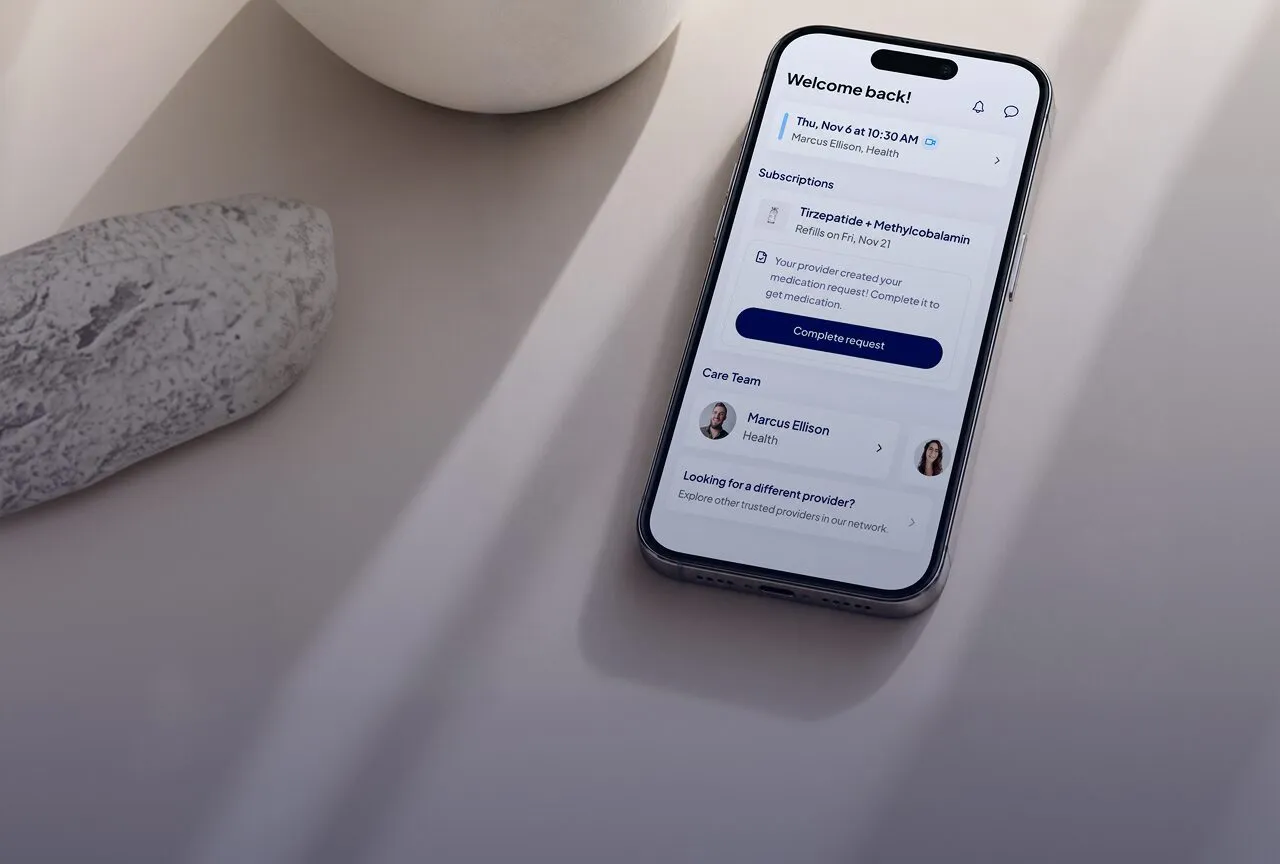
For iOS & Android
Start with care designed for you
Start with care designed for you


What can we help you with?
What can we help you with?



Personalized care for long-term wellness
Small wins add up to big transformations. Mochi reminds us to focus on what’s good and use it to build the life we envision.

All professional medical services are provided by licensed physicians and clinicians affiliated with independently owned and operated professional practices. Mochi Health Corp. provides administrative and technology services to affiliated medical practices it supports, and does not provide any professional medical services itself.
Personalized care for long-term wellness
Small wins add up to big transformations. Mochi reminds us to focus on what’s good and use it to build the life we envision.
All professional medical services are provided by licensed physicians and clinicians affiliated with independently owned and operated professional practices. Mochi Health Corp. provides administrative and technology services to affiliated medical practices it supports, and does not provide any professional medical services itself.
Personalized care for long-term wellness
Small wins add up to big transformations. Mochi reminds us to focus on what’s good and use it to build the life we envision.
All professional medical services are provided by licensed physicians and clinicians affiliated with independently owned and operated professional practices. Mochi Health Corp. provides administrative and technology services to affiliated medical practices it supports, and does not provide any professional medical services itself.
Personalized care for long-term wellness
Small wins add up to big transformations. Mochi reminds us to focus on what’s good and use it to build the life we envision.
All professional medical services are provided by licensed physicians and clinicians affiliated with independently owned and operated professional practices. Mochi Health Corp. provides administrative and technology services to affiliated medical practices it supports, and does not provide any professional medical services itself.
Personalized care for long-term wellness
Small wins add up to big transformations. Mochi reminds us to focus on what’s good and use it to build the life we envision.
All professional medical services are provided by licensed physicians and clinicians affiliated with independently owned and operated professional practices. Mochi Health Corp. provides administrative and technology services to affiliated medical practices it supports, and does not provide any professional medical services itself.