
Ready to transform your health?
Unlock access to expert guidance and a weight care plan crafted just for you.
Ready to transform your health?
Unlock access to expert guidance and a weight care plan crafted just for you.
Best Menopause Diet for Weight Loss
Struggling with menopause weight gain? Discover how to boost metabolism and maintain muscle with a nutrient-dense diet plan, high protein, and fiber tips.


Table of Contents
Table of Contents
Table of Contents
Why is weight gain so hard?
Understanding the Basics of a Menopause Diet
Nutrient-Dense Foods Focus
Limit Your Sugar and Processed Foods Intake
Focus on Protein
More Fiber
DRINK WATER
Here are some helpful hints to keep in mind:
In Conclusion
Check Your Eligibility
Why is weight gain so hard?
Understanding the Basics of a Menopause Diet
Nutrient-Dense Foods Focus
Limit Your Sugar and Processed Foods Intake
Focus on Protein
More Fiber
DRINK WATER
Here are some helpful hints to keep in mind:
In Conclusion
Check Your Eligibility
Why is weight gain so hard?
Understanding the Basics of a Menopause Diet
Nutrient-Dense Foods Focus
Limit Your Sugar and Processed Foods Intake
Focus on Protein
More Fiber
DRINK WATER
Here are some helpful hints to keep in mind:
In Conclusion
Check Your Eligibility
A lot of things happen during menopause, and one of the most frustrating side effects is weight gain. But if it’s happening to you, take comfort: it’s very common, and it’s not entirely out of your control.
Why is weight gain so hard?
One of the reasons is hormonal changes. While estrogen may be to blame for hot flashes and other symptoms, it also has a hand in your metabolism. As your levels drop, you begin to burn about 250 to 300 fewer calories per day than when you were younger, which may add weight gain to your list of menopause symptoms.
The good news is you don't have to accept weight gain as an inevitable consequence of menopause. Eating a menopause-friendly diet and making other simple lifestyle changes can help you navigate this life transition while keeping your weight under control.
Understanding the Basics of a Menopause Diet
Nutrient-Dense Foods Focus
When it comes to menopause weight loss, the best diets aren't fad diets that are super restrictive. It's actually about incorporating healthy foods to ensure you're getting the necessary carbs, proteins, and fats.
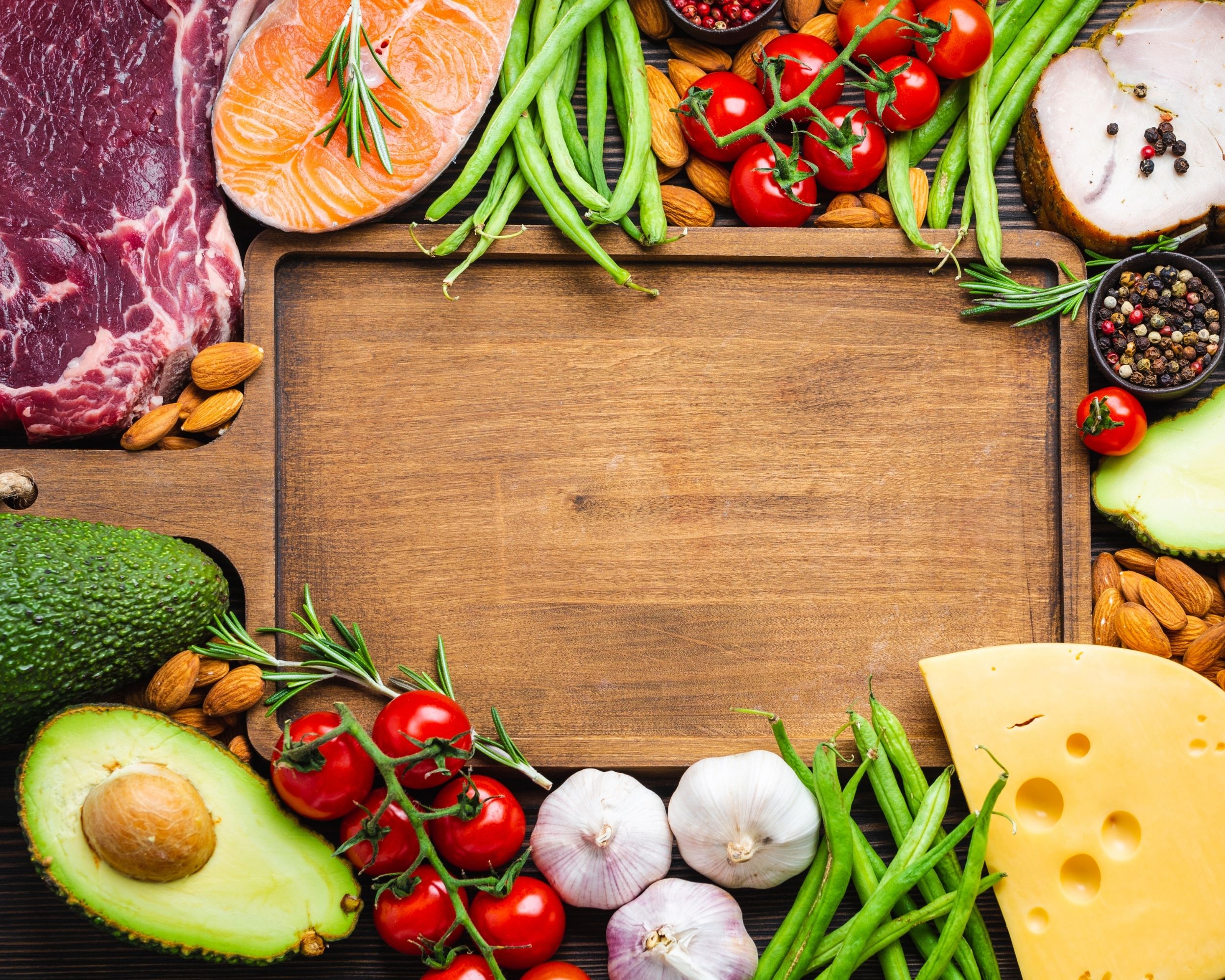
Here are the key ingredients to add to your menopause diet: tofu and edamame, protein foods such as chicken, turkey, and fish, beans, lentils, whole grains, berries, dark leafy greens, seeds, low-fat dairy, and healthy fats (e.g., olive oil, avocados).
Limit Your Sugar and Processed Foods Intake
Now, that doesn't mean you have to cut out your guilty pleasures entirely. But, it does mean that you have to reduce your sugar and processed food intake. There's room for balance here. If you're craving something sweet after dinner, go ahead and have it, just try to make it the exception rather than the rule. The key is focusing on foods that are digested more slowly because they help prevent those energy crashes and intense cravings later.
Why does this matter so much during menopause? Highly processed foods are typically high in salt, saturated fat, and calories, making them easy to overeat and contributing to weight gain. More importantly, they can increase your risk for high cholesterol, high blood pressure, and heart disease.
Focus on Protein
This is especially important during menopause, as you want to maintain as much muscle mass as possible. Incorporate about 20 to 25 grams of lean protein (chicken, fish, tofu, beans, etc.) in each meal. Protein will help sustain your metabolism, plus it will keep you satiated, making it less difficult to follow a lower-calorie diet.
More Fiber
Many women don't get enough fiber, and fiber is great for satiety, blood sugar control, and even weight loss with regular consumption. Aim for more than 20 grams a day from fruit, veggies, whole grains, and beans.
DRINK WATER
Water is your friend as you go through menopause. It helps your metabolism, may ease hot flashes and night sweats, prevents digestive problems, and even helps curb your appetite. Make water your go-to drink during the day.
Here are some helpful hints to keep in mind:
Keep a food diary, it's an excellent way to monitor your eating habits, find areas for improvement, and maintain motivation.
Focus on addition, not subtraction. Instead of cutting items out of your diet, try adding healthy options. You'll find it's easier to push out the bad with more of the good.
Try to pre-plan as many of your meals as possible. Often it's hard to decide what to eat when you're tired and hungry. Plan meals out on the weekends and take leftovers for lunch when you're busy on the weekdays.
Consult with a Health Professional: Losing weight in menopause is tough, and you don't have to do it on your own. Having a health professional on your side who knows the realities of menopause weight loss is huge.
In Conclusion
Although weight gain during menopause is very common and impacts most women as they go through the menopause transition, it's not a guaranteed occurrence. If you prioritize protein, fiber, and other whole, nutrient-dense foods and restrict your intake of processed foods and added sugars, you'll likely be able to maintain a healthy weight and reduce other menopause symptoms in the process.
Just be sure to avoid the temptation of fad diets or other drastic measures. Instead, you want to cultivate the kind of habits that you can sustain in the long term to support your weight, health, energy, and overall well-being as you embark on this significant chapter of your life.
Ready to Take the Next Step?
Losing weight during menopause is a unique challenge, and you don’t have to do it alone. Having a health professional on your side who understands the hormonal realities of this transition is essential for long-term success.
Check Your Eligibility for GLP-1s If you want to learn whether GLP-1 treatment is appropriate for your health needs and receive personalized guidance on nutrition and exercise during treatment, you can start by completing Mochi's eligibility questionnaire. Check your eligibility here.
Explore Menopause Support & HRT If you are interested in Hormone Replacement Therapy (HRT) or other clinical options to manage your symptoms, explore our available treatments here: View Mochi Medications & HRT.
This post was written by our team of health writers for informational purposes only and does not constitute medical advice. Always consult your doctor or healthcare provider for personalized guidance regarding your health. Mochi Health is a telehealth clinic that offers prescriptions for these products by medical necessity only as determined by a licensed health provider.
References
Black, K. E., & Matkin-Hussey, P. (2024). The impact of protein in post-menopausal women on muscle mass and strength: A narrative review. Physiologia, 4(3), 266-285. https://doi.org/10.3390/physiologia4030016
Mayo Clinic Staff. (2024, December 24). Dietary fiber: Essential for a healthy diet. Mayo Clinic. https://www.mayoclinic.org/healthy-lifestyle/nutrition-and-healthy-eating/in-depth/fiber/art-20043983
The North American Menopause Society. (2021, January 6). Link between dietary fiber and depression partially explained by gut-brain interactions. ScienceDaily. https://www.sciencedaily.com/releases/2021/01/210106111952.htm
A lot of things happen during menopause, and one of the most frustrating side effects is weight gain. But if it’s happening to you, take comfort: it’s very common, and it’s not entirely out of your control.
Why is weight gain so hard?
One of the reasons is hormonal changes. While estrogen may be to blame for hot flashes and other symptoms, it also has a hand in your metabolism. As your levels drop, you begin to burn about 250 to 300 fewer calories per day than when you were younger, which may add weight gain to your list of menopause symptoms.
The good news is you don't have to accept weight gain as an inevitable consequence of menopause. Eating a menopause-friendly diet and making other simple lifestyle changes can help you navigate this life transition while keeping your weight under control.
Understanding the Basics of a Menopause Diet
Nutrient-Dense Foods Focus
When it comes to menopause weight loss, the best diets aren't fad diets that are super restrictive. It's actually about incorporating healthy foods to ensure you're getting the necessary carbs, proteins, and fats.
Here are the key ingredients to add to your menopause diet: tofu and edamame, protein foods such as chicken, turkey, and fish, beans, lentils, whole grains, berries, dark leafy greens, seeds, low-fat dairy, and healthy fats (e.g., olive oil, avocados).
Limit Your Sugar and Processed Foods Intake
Now, that doesn't mean you have to cut out your guilty pleasures entirely. But, it does mean that you have to reduce your sugar and processed food intake. There's room for balance here. If you're craving something sweet after dinner, go ahead and have it, just try to make it the exception rather than the rule. The key is focusing on foods that are digested more slowly because they help prevent those energy crashes and intense cravings later.
Why does this matter so much during menopause? Highly processed foods are typically high in salt, saturated fat, and calories, making them easy to overeat and contributing to weight gain. More importantly, they can increase your risk for high cholesterol, high blood pressure, and heart disease.
Focus on Protein
This is especially important during menopause, as you want to maintain as much muscle mass as possible. Incorporate about 20 to 25 grams of lean protein (chicken, fish, tofu, beans, etc.) in each meal. Protein will help sustain your metabolism, plus it will keep you satiated, making it less difficult to follow a lower-calorie diet.
More Fiber
Many women don't get enough fiber, and fiber is great for satiety, blood sugar control, and even weight loss with regular consumption. Aim for more than 20 grams a day from fruit, veggies, whole grains, and beans.
DRINK WATER
Water is your friend as you go through menopause. It helps your metabolism, may ease hot flashes and night sweats, prevents digestive problems, and even helps curb your appetite. Make water your go-to drink during the day.
Here are some helpful hints to keep in mind:
Keep a food diary, it's an excellent way to monitor your eating habits, find areas for improvement, and maintain motivation.
Focus on addition, not subtraction. Instead of cutting items out of your diet, try adding healthy options. You'll find it's easier to push out the bad with more of the good.
Try to pre-plan as many of your meals as possible. Often it's hard to decide what to eat when you're tired and hungry. Plan meals out on the weekends and take leftovers for lunch when you're busy on the weekdays.
Consult with a Health Professional: Losing weight in menopause is tough, and you don't have to do it on your own. Having a health professional on your side who knows the realities of menopause weight loss is huge.
In Conclusion
Although weight gain during menopause is very common and impacts most women as they go through the menopause transition, it's not a guaranteed occurrence. If you prioritize protein, fiber, and other whole, nutrient-dense foods and restrict your intake of processed foods and added sugars, you'll likely be able to maintain a healthy weight and reduce other menopause symptoms in the process.
Just be sure to avoid the temptation of fad diets or other drastic measures. Instead, you want to cultivate the kind of habits that you can sustain in the long term to support your weight, health, energy, and overall well-being as you embark on this significant chapter of your life.
Ready to Take the Next Step?
Losing weight during menopause is a unique challenge, and you don’t have to do it alone. Having a health professional on your side who understands the hormonal realities of this transition is essential for long-term success.
Check Your Eligibility for GLP-1s If you want to learn whether GLP-1 treatment is appropriate for your health needs and receive personalized guidance on nutrition and exercise during treatment, you can start by completing Mochi's eligibility questionnaire. Check your eligibility here.
Explore Menopause Support & HRT If you are interested in Hormone Replacement Therapy (HRT) or other clinical options to manage your symptoms, explore our available treatments here: View Mochi Medications & HRT.
This post was written by our team of health writers for informational purposes only and does not constitute medical advice. Always consult your doctor or healthcare provider for personalized guidance regarding your health. Mochi Health is a telehealth clinic that offers prescriptions for these products by medical necessity only as determined by a licensed health provider.
References
Black, K. E., & Matkin-Hussey, P. (2024). The impact of protein in post-menopausal women on muscle mass and strength: A narrative review. Physiologia, 4(3), 266-285. https://doi.org/10.3390/physiologia4030016
Mayo Clinic Staff. (2024, December 24). Dietary fiber: Essential for a healthy diet. Mayo Clinic. https://www.mayoclinic.org/healthy-lifestyle/nutrition-and-healthy-eating/in-depth/fiber/art-20043983
The North American Menopause Society. (2021, January 6). Link between dietary fiber and depression partially explained by gut-brain interactions. ScienceDaily. https://www.sciencedaily.com/releases/2021/01/210106111952.htm
A lot of things happen during menopause, and one of the most frustrating side effects is weight gain. But if it’s happening to you, take comfort: it’s very common, and it’s not entirely out of your control.
Why is weight gain so hard?
One of the reasons is hormonal changes. While estrogen may be to blame for hot flashes and other symptoms, it also has a hand in your metabolism. As your levels drop, you begin to burn about 250 to 300 fewer calories per day than when you were younger, which may add weight gain to your list of menopause symptoms.
The good news is you don't have to accept weight gain as an inevitable consequence of menopause. Eating a menopause-friendly diet and making other simple lifestyle changes can help you navigate this life transition while keeping your weight under control.
Understanding the Basics of a Menopause Diet
Nutrient-Dense Foods Focus
When it comes to menopause weight loss, the best diets aren't fad diets that are super restrictive. It's actually about incorporating healthy foods to ensure you're getting the necessary carbs, proteins, and fats.
Here are the key ingredients to add to your menopause diet: tofu and edamame, protein foods such as chicken, turkey, and fish, beans, lentils, whole grains, berries, dark leafy greens, seeds, low-fat dairy, and healthy fats (e.g., olive oil, avocados).
Limit Your Sugar and Processed Foods Intake
Now, that doesn't mean you have to cut out your guilty pleasures entirely. But, it does mean that you have to reduce your sugar and processed food intake. There's room for balance here. If you're craving something sweet after dinner, go ahead and have it, just try to make it the exception rather than the rule. The key is focusing on foods that are digested more slowly because they help prevent those energy crashes and intense cravings later.
Why does this matter so much during menopause? Highly processed foods are typically high in salt, saturated fat, and calories, making them easy to overeat and contributing to weight gain. More importantly, they can increase your risk for high cholesterol, high blood pressure, and heart disease.
Focus on Protein
This is especially important during menopause, as you want to maintain as much muscle mass as possible. Incorporate about 20 to 25 grams of lean protein (chicken, fish, tofu, beans, etc.) in each meal. Protein will help sustain your metabolism, plus it will keep you satiated, making it less difficult to follow a lower-calorie diet.
More Fiber
Many women don't get enough fiber, and fiber is great for satiety, blood sugar control, and even weight loss with regular consumption. Aim for more than 20 grams a day from fruit, veggies, whole grains, and beans.
DRINK WATER
Water is your friend as you go through menopause. It helps your metabolism, may ease hot flashes and night sweats, prevents digestive problems, and even helps curb your appetite. Make water your go-to drink during the day.
Here are some helpful hints to keep in mind:
Keep a food diary, it's an excellent way to monitor your eating habits, find areas for improvement, and maintain motivation.
Focus on addition, not subtraction. Instead of cutting items out of your diet, try adding healthy options. You'll find it's easier to push out the bad with more of the good.
Try to pre-plan as many of your meals as possible. Often it's hard to decide what to eat when you're tired and hungry. Plan meals out on the weekends and take leftovers for lunch when you're busy on the weekdays.
Consult with a Health Professional: Losing weight in menopause is tough, and you don't have to do it on your own. Having a health professional on your side who knows the realities of menopause weight loss is huge.
In Conclusion
Although weight gain during menopause is very common and impacts most women as they go through the menopause transition, it's not a guaranteed occurrence. If you prioritize protein, fiber, and other whole, nutrient-dense foods and restrict your intake of processed foods and added sugars, you'll likely be able to maintain a healthy weight and reduce other menopause symptoms in the process.
Just be sure to avoid the temptation of fad diets or other drastic measures. Instead, you want to cultivate the kind of habits that you can sustain in the long term to support your weight, health, energy, and overall well-being as you embark on this significant chapter of your life.
Ready to Take the Next Step?
Losing weight during menopause is a unique challenge, and you don’t have to do it alone. Having a health professional on your side who understands the hormonal realities of this transition is essential for long-term success.
Check Your Eligibility for GLP-1s If you want to learn whether GLP-1 treatment is appropriate for your health needs and receive personalized guidance on nutrition and exercise during treatment, you can start by completing Mochi's eligibility questionnaire. Check your eligibility here.
Explore Menopause Support & HRT If you are interested in Hormone Replacement Therapy (HRT) or other clinical options to manage your symptoms, explore our available treatments here: View Mochi Medications & HRT.
This post was written by our team of health writers for informational purposes only and does not constitute medical advice. Always consult your doctor or healthcare provider for personalized guidance regarding your health. Mochi Health is a telehealth clinic that offers prescriptions for these products by medical necessity only as determined by a licensed health provider.
References
Black, K. E., & Matkin-Hussey, P. (2024). The impact of protein in post-menopausal women on muscle mass and strength: A narrative review. Physiologia, 4(3), 266-285. https://doi.org/10.3390/physiologia4030016
Mayo Clinic Staff. (2024, December 24). Dietary fiber: Essential for a healthy diet. Mayo Clinic. https://www.mayoclinic.org/healthy-lifestyle/nutrition-and-healthy-eating/in-depth/fiber/art-20043983
The North American Menopause Society. (2021, January 6). Link between dietary fiber and depression partially explained by gut-brain interactions. ScienceDaily. https://www.sciencedaily.com/releases/2021/01/210106111952.htm
Read next
Ready to transform your health?
Unlock access to expert guidance and a weight care plan crafted just for you.

Ready to transform your health?
Unlock access to expert guidance and a weight care plan crafted just for you.

Ready to transform your health?
Unlock access to expert guidance and a weight care plan crafted just for you.


Resources
© 2026 Mochi Health
All professional medical services are provided by licensed physicians and clinicians affiliated with independently owned and operated professional practices. Mochi Health Corp. provides administrative and technology services to affiliated medical practices it supports, and does not provide any professional medical services itself.


Resources
© 2026 Mochi Health
All professional medical services are provided by licensed physicians and clinicians affiliated with independently owned and operated professional practices. Mochi Health Corp. provides administrative and technology services to affiliated medical practices it supports, and does not provide any professional medical services itself.


Resources
© 2026 Mochi Health
All professional medical services are provided by licensed physicians and clinicians affiliated with independently owned and operated professional practices. Mochi Health Corp. provides administrative and technology services to affiliated medical practices it supports, and does not provide any professional medical services itself.