Ready to transform your health?
Unlock access to expert guidance and a weight care plan crafted just for you.
Ready to transform your health?
Unlock access to expert guidance and a weight care plan crafted just for you.
Similar Articles
Similar Articles
Can You Drink Alcohol on Semaglutide or Tirzepatide?
Learn whether you can safely drink alcohol while taking semaglutide or tirzepatide. Understand how GLP-1 medications affect alcohol tolerance, side effects, and safety considerations.


Table of Contents
Table of Contents
Table of Contents
How GLP-1 Medications Affect Your Body
Alcohol is Not Prohibited, But Caution is Advised
How Alcohol Tolerance Changes on GLP-1 Medications
Gastrointestinal Side Effects and Alcohol
Blood Sugar Concerns for People with Diabetes
Practical Guidance for Drinking on GLP-1 Medications
When Alcohol May Not Be Worth It
Discussing Alcohol Use With Your Provider
Alcohol and Weight Loss Goals
Making Informed Personal Decisions
References
How GLP-1 Medications Affect Your Body
Alcohol is Not Prohibited, But Caution is Advised
How Alcohol Tolerance Changes on GLP-1 Medications
Gastrointestinal Side Effects and Alcohol
Blood Sugar Concerns for People with Diabetes
Practical Guidance for Drinking on GLP-1 Medications
When Alcohol May Not Be Worth It
Discussing Alcohol Use With Your Provider
Alcohol and Weight Loss Goals
Making Informed Personal Decisions
References
How GLP-1 Medications Affect Your Body
Alcohol is Not Prohibited, But Caution is Advised
How Alcohol Tolerance Changes on GLP-1 Medications
Gastrointestinal Side Effects and Alcohol
Blood Sugar Concerns for People with Diabetes
Practical Guidance for Drinking on GLP-1 Medications
When Alcohol May Not Be Worth It
Discussing Alcohol Use With Your Provider
Alcohol and Weight Loss Goals
Making Informed Personal Decisions
References
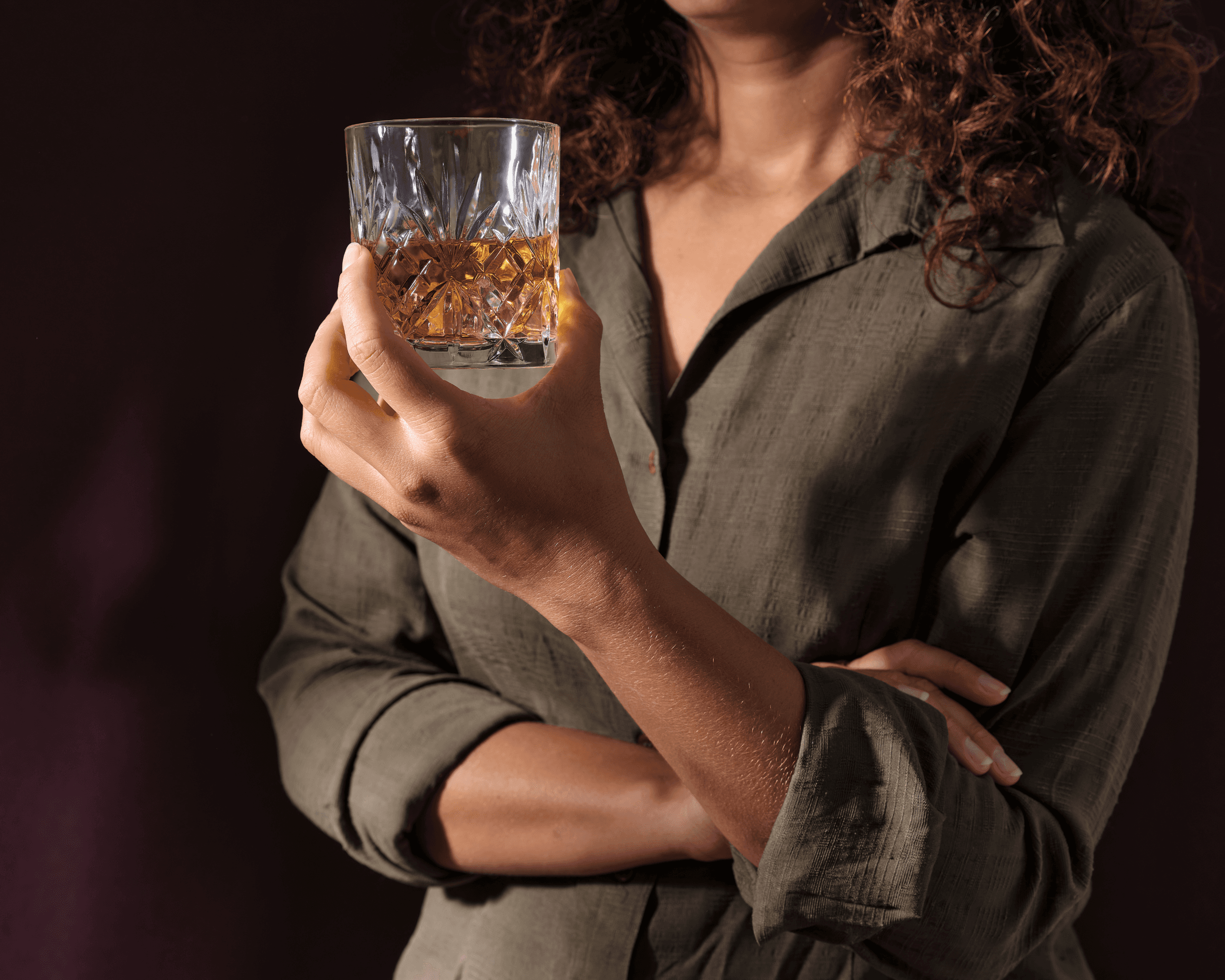
The holidays are coming up. Your friend is having a birthday party. You have a work event with an open bar. Or maybe you just want to know if you can enjoy a glass of wine with dinner without worrying. One of the most common questions people ask when starting GLP-1 medications is whether they can still drink alcohol.
The short answer is that alcohol is not strictly forbidden on semaglutide or tirzepatide, but the relationship between these medications and alcohol is more complicated than a simple yes or no. GLP-1 medications change how your body processes food, affect your digestive system, and alter your appetite in ways that also impact how you experience and tolerate alcohol.
Understanding how alcohol interacts with your medication helps you make informed decisions about whether, when, and how much to drink. This article covers everything you need to know about alcohol consumption while taking GLP-1 medications, including how these drugs affect alcohol tolerance, what side effects might worsen, safety considerations for people with diabetes, and practical strategies for drinking responsibly if you choose to drink.
How GLP-1 Medications Affect Your Body
Before discussing alcohol specifically, it helps to understand what GLP-1 medications are doing in your body that might affect your alcohol experience.
The primary mechanism of GLP-1 medications involves slowing how quickly food (and liquid) leaves your stomach. Normally, your stomach empties its contents into your small intestine within a few hours of eating. GLP-1 medications significantly slow this process, keeping food in your stomach longer. This creates the sensation of fullness that helps with weight loss. It also means that anything you consume (including alcohol) sits in your stomach longer before moving through your digestive system. This has implications for how quickly alcohol gets absorbed into your bloodstream and how long it affects you.
Most people taking GLP-1 medications eat significantly less than before starting treatment. You might skip meals when you are not hungry, eat smaller portions, or go longer between eating occasions. This reduced food intake affects alcohol tolerance because food in your stomach slows alcohol absorption and reduces intoxication. If you are drinking on an empty stomach (or with much less food than you used to eat), alcohol hits your system faster and stronger. Many people do not adjust their drinking habits to account for their dramatically reduced food intake, leading to unexpected intoxication.
For people with diabetes or prediabetes, GLP-1 medications help regulate blood sugar by improving insulin sensitivity and reducing glucagon secretion. This glucose-lowering effect becomes relevant with alcohol because drinking also affects blood sugar levels, potentially causing dangerous drops when combined with glucose-lowering medications. Even for people without diabetes, the combination of reduced food intake and alcohol consumption can affect blood sugar stability in ways you might not experience when not on medication.
Alcohol Is Not Prohibited, But Caution Is Advised
There is no absolute medical prohibition against drinking alcohol while taking semaglutide or tirzepatide. The medications do not interact with alcohol in the way some medications do, where combining them creates dangerous chemical reactions or severe adverse effects. However, medical guidelines and prescribing information advise caution with alcohol consumption for several practical reasons related to how these medications affect your body's response to drinking.
Prescribing information for semaglutide and tirzepatide does not list alcohol as a contraindication. This means alcohol is not forbidden the way certain foods or medications might be. However, the information does note that alcohol can increase the risk of certain side effects, particularly gastrointestinal symptoms and hypoglycemia (low blood sugar) in people taking other diabetes medications.
Healthcare providers typically advise moderation if you choose to drink. What moderation means varies by individual, but generally refers to limiting consumption to one drink per day for women and two drinks per day for men, with many providers recommending even less for people on GLP-1 medications.
The caution around alcohol is not about the medications being inherently incompatible with drinking. It is about the practical reality that GLP-1 medications change multiple factors that affect how you experience alcohol, often in ways that increase discomfort, side effects, or health risks. Understanding these changes helps you make informed decisions rather than following a blanket rule. Some people on GLP-1 medications drink occasionally without problems. Others find that alcohol is much less enjoyable or tolerable than before starting treatment. Your experience may differ from others, and even from your own pre-medication experience.
How Alcohol Tolerance Changes on GLP-1 Medications
One of the most commonly reported changes is dramatically reduced alcohol tolerance. Many people find they get intoxicated much faster and more intensely than before starting GLP-1 treatment.
Several factors contribute to reduced alcohol tolerance. You are eating significantly less food, which means less buffer in your stomach to slow alcohol absorption. Your stomach is emptying more slowly, which keeps alcohol in contact with stomach lining longer and can lead to more irritation while paradoxically sometimes slowing the absorption that leads to blood alcohol level peaks. Your body composition may be changing as you lose weight. Alcohol distributes in body water, so changes in body fat percentage and total body water affect how concentrated alcohol becomes in your system. You may be less hydrated than before if you are not consciously increasing fluid intake to compensate for reduced food intake.
People report getting noticeably drunk from amounts that previously barely affected them. One glass of wine might feel like two or three. Two drinks might leave you significantly impaired when you previously would have felt fine. The intoxication might come on faster and last longer. This is not your imagination. The physiological changes from GLP-1 medications genuinely alter alcohol metabolism and effect. Adjusting your drinking accordingly protects you from overconsumption and its consequences.
Not everyone experiences the same degree of tolerance change. Some people notice dramatic differences. Others report minimal changes. Factors like your starting weight, how much weight you have lost, your baseline alcohol tolerance, how much you are eating, and your individual metabolism all influence how GLP-1 medications affect your alcohol response. The only way to know how you respond is to approach drinking cautiously and pay attention to how you feel. Do not assume your previous tolerance still applies.
Gastrointestinal Side Effects and Alcohol
The most common side effects of GLP-1 medications are gastrointestinal. Nausea, vomiting, diarrhea, and stomach discomfort affect many people, especially early in treatment or after dose increases. Alcohol can significantly worsen these symptoms.
Alcohol irritates the stomach lining. Under normal circumstances, your stomach can handle this irritation reasonably well. But when gastric emptying is already slowed by GLP-1 medications, alcohol sits in your stomach longer, prolonging contact with the stomach lining and increasing irritation. Alcohol also stimulates acid production in your stomach. Combined with slowed emptying, this can worsen acid reflux, heartburn, and nausea that many people already experience on GLP-1 medications. For some people, alcohol triggers nausea even without GLP-1 medications. When you add a medication that already causes nausea for 30 to 50 percent of users, the combination can be extremely unpleasant.
People report that drinking while on GLP-1 medications leads to severe nausea that lasts much longer than typical alcohol-related nausea, vomiting that feels more intense and prolonged, next-day hangovers that are significantly worse than before medication, and stomach upset that persists for a day or more after drinking. These effects tend to be most pronounced early in treatment when your body is still adjusting to the medication. Some people find that GI effects from alcohol improve after several months on stable doses, but others continue to experience increased sensitivity to alcohol throughout treatment.
If you are already struggling with nausea, vomiting, or stomach discomfort from your GLP-1 medication, adding alcohol is likely to make these symptoms significantly worse. Wait until your GI symptoms have stabilized before attempting to drink. If you have a history of gastritis, ulcers, or other stomach conditions, the combination of GLP-1 medications and alcohol may be particularly problematic. Discuss with your provider whether drinking is advisable for your specific situation.
Blood Sugar Concerns for People With Diabetes
For people taking GLP-1 medications for diabetes management (or who have prediabetes), alcohol creates additional safety considerations related to blood sugar control.
Alcohol has complex effects on blood sugar. Initially, alcohol can cause blood sugar to rise, especially if you are drinking sugary mixed drinks or beer. However, hours later (sometimes while you are sleeping), alcohol can cause blood sugar to drop significantly. This happens because alcohol interferes with your liver's ability to release stored glucose. For people taking medications that lower blood sugar (including GLP-1 medications, insulin, or sulfonylureas), this delayed blood sugar drop can be dangerous. Hypoglycemia (low blood sugar) during sleep can be life-threatening if severe.
Symptoms of low blood sugar include shakiness, sweating, rapid heartbeat, dizziness or lightheadedness, confusion or difficulty concentrating, extreme hunger, and irritability or mood changes. The problem is that many of these symptoms overlap with being drunk. If you have been drinking, you might not recognize that you are experiencing hypoglycemia rather than intoxication. This makes it harder to respond appropriately by consuming fast-acting carbohydrates to raise blood sugar.
If you have diabetes and choose to drink while on GLP-1 medications, always eat food when drinking. Never drink on an empty stomach. Check your blood sugar before drinking, during drinking if possible, and before bed. Consider setting an alarm to check blood sugar in the middle of the night after drinking. Wear medical identification that indicates you have diabetes in case you need emergency help. Let people you are with know you have diabetes and what signs of low blood sugar look like. Have fast-acting carbohydrates easily accessible (glucose tablets, juice, regular soda).
If you also take insulin or sulfonylureas in addition to GLP-1 medications, your risk of alcohol-related hypoglycemia is even higher. Discuss specific guidance with your provider about whether and how to adjust medications when drinking.
Practical Guidance for Drinking on GLP-1 Medications
If you decide to drink alcohol while taking semaglutide or tirzepatide, strategies exist to minimize risks and side effects.
Start very small and do not assume your previous drinking tolerance applies. Start with half of what you used to drink and see how you feel. If you used to comfortably drink two glasses of wine, start with one. If you used to drink one beer, try half. Give yourself 45 minutes to an hour to assess how you feel before considering having more. This conservative approach protects you from overconsumption while you learn how your body responds to alcohol on GLP-1 medications.
Never drink on an empty stomach while taking GLP-1 medications. The combination of slowed gastric emptying and reduced food intake makes drinking without eating particularly risky for rapid intoxication and worsened GI symptoms. Eat before you start drinking and continue eating while drinking. Focus on protein and complex carbohydrates that provide sustained energy. Avoid drinking as your only evening activity. Have alcohol alongside a meal rather than as a standalone event.
Dehydration worsens both intoxication and hangover symptoms. Many people on GLP-1 medications struggle to drink enough water because reduced appetite often means reduced thirst signals as well. Drink a full glass of water before you start drinking alcohol. Alternate alcoholic drinks with glasses of water (one water for each alcoholic drink). Drink extra water before bed after drinking. Keep water by your bedside for the night.
Some alcoholic beverages are more likely to cause problems than others. Clear liquors (vodka, gin) with sugar-free mixers tend to cause less stomach upset than dark liquors, sweet wines, or sugary cocktails. Beer can cause significant bloating when gastric emptying is already slowed. Avoid very sweet drinks that add sugar and calories on top of the alcohol. The sugar can worsen blood sugar fluctuations and may increase nausea. Carbonated alcoholic beverages may increase bloating and discomfort. Drink slowly. Sip rather than gulp. Give your body time to process each drink before having more.
Decide before you start drinking how many drinks you will have, and stick to that limit even if you feel fine. The delayed effects of alcohol combined with slowed gastric emptying mean you might not feel the full impact until significantly after drinking. Having a predetermined limit prevents the in-the-moment decision-making that often leads to overconsumption. Tell someone you are with what your limit is and ask them to help you stick to it.
Never drive after drinking, even if you feel fine. Your tolerance is different than before medication, and you may be more impaired than you realize. Arrange alternative transportation before you start drinking. If you are drinking away from home, make sure someone knows where you are and can check on you if needed. Have a phone charger so you can call for help if necessary. Bring any diabetes supplies or medications you might need.
When Alcohol May Not Be Worth It
For some people, the changed experience of drinking on GLP-1 medications makes alcohol simply not enjoyable or worth the side effects.
You might find that alcohol causes severe nausea that lasts into the next day. You experience hangovers that feel far worse than before medication and take longer to recover from. Even small amounts of alcohol trigger vomiting or significant GI distress. You feel much more intoxicated than you want to from small amounts. Your sleep quality suffers significantly after drinking, even more than it did before medication. You experience significant blood sugar fluctuations that are difficult to manage. You find yourself anxious about drinking because of unpredictable effects.
If drinking has become unpleasant rather than enjoyable, it is okay to step back from alcohol during this phase of your health journey. You can reassess later whether you want to try again, but forcing yourself to drink when it feels bad does not serve you.
Many people worry about social situations where drinking is expected or how to handle questions about why they are not drinking. You do not owe anyone an explanation for your choices. Simple statements like "I am not drinking tonight" or "I am taking a break from alcohol" are sufficient. Mocktails and non-alcoholic beverages have improved significantly in recent years. Having something interesting to drink makes social situations more comfortable even when not drinking alcohol. Many people find that social anxiety about not drinking is worse in anticipation than in reality. Most people are too focused on themselves to care whether you are drinking.
Discussing Alcohol Use With Your Provider
Your provider is your partner in making informed decisions about alcohol consumption on GLP-1 medications. Honest communication ensures you get personalized guidance based on your specific health situation.
Tell your provider if you currently drink alcohol, how often, and how much. Be honest about your drinking patterns. Your provider cannot give you appropriate guidance based on incomplete information. Ask whether alcohol is safe for your specific situation given your other health conditions, medications, and individual factors. Discuss whether your drinking habits should change now that you are on GLP-1 medication.
If you have diabetes, ask specific questions about blood sugar management when drinking. If you take other medications in addition to GLP-1 medications, ask about potential interactions with alcohol. Report your experiences if you have drunk alcohol since starting medication. Let your provider know about any unexpected effects, severe side effects, or concerns.
Your provider can give you personalized recommendations based on your health history, other medications, diabetes status, weight loss goals, and other individual factors. Their guidance might be more or less restrictive than general recommendations depending on your situation. Follow their advice even if it differs from what you read online or hear from others. Your provider knows your complete medical picture in ways that general information cannot account for.
Alcohol and Weight Loss Goals
Beyond the immediate safety and side effect considerations, alcohol affects your weight loss progress in ways worth considering.
Alcohol contains 7 calories per gram, making it nearly as calorie-dense as fat (9 calories per gram) and more calorie-dense than protein or carbohydrates (4 calories per gram each). These are empty calories that provide no nutritional value. A glass of wine contains roughly 120 to 150 calories. A beer contains 150 to 200 calories depending on type. Mixed drinks can contain 200 to 500 calories depending on mixers and serving size. These calories add up quickly and can significantly impact your weekly caloric intake.
Alcohol reduces inhibitions and impairs judgment, which often leads to food choices you would not make sober. The drunk munchies are real. You are more likely to overeat, choose less nutritious foods, and disregard portion control when drinking. For people on GLP-1 medications who are working on building healthier eating patterns, alcohol can undermine these efforts by triggering old patterns of overeating or making impulsive food decisions.
Your body prioritizes metabolizing alcohol over other nutrients. When you drink, your body essentially pauses fat burning to focus on processing alcohol. This temporarily stalls your metabolism's fat-burning mode. Occasional drinking likely does not significantly impact long-term weight loss for most people. Regular, frequent drinking can slow progress noticeably, especially if combined with increased caloric intake from both the alcohol itself and food choices made while drinking.
Making Informed Personal Decisions
The decision about whether and how much to drink while on GLP-1 medications is personal. Some people choose to avoid alcohol completely during active weight loss and resume occasional drinking once they reach maintenance. Others drink occasionally in moderation throughout treatment without problems. Still others find that alcohol has become unpleasant enough on medication that they lose interest in drinking. All of these approaches are valid.
At Mochi Health, our providers offer personalized guidance on all aspects of GLP-1 treatment, including questions about alcohol consumption. We understand that life includes social situations, celebrations, and personal choices about drinking. Our goal is to help you make informed decisions that support your health while respecting your autonomy and lifestyle preferences.
Beyond medication management, our registered dietitian nutritionists can help you navigate nutrition questions including how to incorporate occasional alcohol into your meal planning if you choose to drink. We also offer a comprehensive range of medications to support you through your weight loss journey, from managing side effects to addressing related health concerns. You can explore treatment options at https://joinmochi.com/medications.
Check Your Eligibility
If you want to learn whether GLP-1 treatment is right for you and receive personalized guidance from providers who understand the complexities of real-world treatment (including practical questions about alcohol and lifestyle), you can start by completing Mochi's eligibility questionnaire. Check your eligibility here: https://app.joinmochi.com/eligibility.
References
American Diabetes Association. (2023). Standards of medical care in diabetes—2023. Diabetes Care, 46(Supplement 1), S1-S291. https://doi.org/10.2337/dc23-Sint
Eli Lilly and Company. (2023). Zepbound (tirzepatide) injection prescribing information. U.S. Food and Drug Administration. https://www.accessdata.fda.gov/drugsatfda_docs/label/2023/217806s000lbl.pdf
Jastreboff, A. M., Aronne, L. J., Ahmad, N. N., Wharton, S., Connery, L., Alves, B., Kiyosue, A., Zhang, S., Liu, B., Bunck, M. C., & Stefanski, A. (2022). Tirzepatide once weekly for the treatment of obesity. New England Journal of Medicine, 387(3), 205-216. https://doi.org/10.1056/NEJMoa2206038
National Institute on Alcohol Abuse and Alcoholism. (2021). Harmful interactions: Mixing alcohol with medicines. https://www.niaaa.nih.gov/publications/brochures-and-fact-sheets/harmful-interactions-mixing-alcohol-with-medicines
Novo Nordisk. (2023). Wegovy (semaglutide) injection prescribing information. U.S. Food and Drug Administration. https://www.accessdata.fda.gov/drugsatfda_docs/label/2023/215256s006lbl.pdf
Wilding, J. P. H., Batterham, R. L., Calanna, S., Davies, M., Van Gaal, L. F., Lingvay, I., McGowan, B. M., Rosenstock, J., Tran, M. T. D., Wadden, T. A., Wharton, S., Yokote, K., Zeuthen, N., & Kushner, R. F. (2021). Once-weekly semaglutide in adults with overweight or obesity. New England Journal of Medicine, 384(11), 989-1002. https://doi.org/10.1056/NEJMoa2032183
This article is for educational purposes only and should not be considered medical advice. Consult with healthcare providers about whether alcohol consumption is appropriate for your individual health needs and circumstances while taking GLP-1 medications.
The holidays are coming up. Your friend is having a birthday party. You have a work event with an open bar. Or maybe you just want to know if you can enjoy a glass of wine with dinner without worrying. One of the most common questions people ask when starting GLP-1 medications is whether they can still drink alcohol.
The short answer is that alcohol is not strictly forbidden on semaglutide or tirzepatide, but the relationship between these medications and alcohol is more complicated than a simple yes or no. GLP-1 medications change how your body processes food, affect your digestive system, and alter your appetite in ways that also impact how you experience and tolerate alcohol.
Understanding how alcohol interacts with your medication helps you make informed decisions about whether, when, and how much to drink. This article covers everything you need to know about alcohol consumption while taking GLP-1 medications, including how these drugs affect alcohol tolerance, what side effects might worsen, safety considerations for people with diabetes, and practical strategies for drinking responsibly if you choose to drink.
How GLP-1 Medications Affect Your Body
Before discussing alcohol specifically, it helps to understand what GLP-1 medications are doing in your body that might affect your alcohol experience.
The primary mechanism of GLP-1 medications involves slowing how quickly food (and liquid) leaves your stomach. Normally, your stomach empties its contents into your small intestine within a few hours of eating. GLP-1 medications significantly slow this process, keeping food in your stomach longer. This creates the sensation of fullness that helps with weight loss. It also means that anything you consume (including alcohol) sits in your stomach longer before moving through your digestive system. This has implications for how quickly alcohol gets absorbed into your bloodstream and how long it affects you.
Most people taking GLP-1 medications eat significantly less than before starting treatment. You might skip meals when you are not hungry, eat smaller portions, or go longer between eating occasions. This reduced food intake affects alcohol tolerance because food in your stomach slows alcohol absorption and reduces intoxication. If you are drinking on an empty stomach (or with much less food than you used to eat), alcohol hits your system faster and stronger. Many people do not adjust their drinking habits to account for their dramatically reduced food intake, leading to unexpected intoxication.
For people with diabetes or prediabetes, GLP-1 medications help regulate blood sugar by improving insulin sensitivity and reducing glucagon secretion. This glucose-lowering effect becomes relevant with alcohol because drinking also affects blood sugar levels, potentially causing dangerous drops when combined with glucose-lowering medications. Even for people without diabetes, the combination of reduced food intake and alcohol consumption can affect blood sugar stability in ways you might not experience when not on medication.
Alcohol Is Not Prohibited, But Caution Is Advised
There is no absolute medical prohibition against drinking alcohol while taking semaglutide or tirzepatide. The medications do not interact with alcohol in the way some medications do, where combining them creates dangerous chemical reactions or severe adverse effects. However, medical guidelines and prescribing information advise caution with alcohol consumption for several practical reasons related to how these medications affect your body's response to drinking.
Prescribing information for semaglutide and tirzepatide does not list alcohol as a contraindication. This means alcohol is not forbidden the way certain foods or medications might be. However, the information does note that alcohol can increase the risk of certain side effects, particularly gastrointestinal symptoms and hypoglycemia (low blood sugar) in people taking other diabetes medications.
Healthcare providers typically advise moderation if you choose to drink. What moderation means varies by individual, but generally refers to limiting consumption to one drink per day for women and two drinks per day for men, with many providers recommending even less for people on GLP-1 medications.
The caution around alcohol is not about the medications being inherently incompatible with drinking. It is about the practical reality that GLP-1 medications change multiple factors that affect how you experience alcohol, often in ways that increase discomfort, side effects, or health risks. Understanding these changes helps you make informed decisions rather than following a blanket rule. Some people on GLP-1 medications drink occasionally without problems. Others find that alcohol is much less enjoyable or tolerable than before starting treatment. Your experience may differ from others, and even from your own pre-medication experience.
How Alcohol Tolerance Changes on GLP-1 Medications
One of the most commonly reported changes is dramatically reduced alcohol tolerance. Many people find they get intoxicated much faster and more intensely than before starting GLP-1 treatment.
Several factors contribute to reduced alcohol tolerance. You are eating significantly less food, which means less buffer in your stomach to slow alcohol absorption. Your stomach is emptying more slowly, which keeps alcohol in contact with stomach lining longer and can lead to more irritation while paradoxically sometimes slowing the absorption that leads to blood alcohol level peaks. Your body composition may be changing as you lose weight. Alcohol distributes in body water, so changes in body fat percentage and total body water affect how concentrated alcohol becomes in your system. You may be less hydrated than before if you are not consciously increasing fluid intake to compensate for reduced food intake.
People report getting noticeably drunk from amounts that previously barely affected them. One glass of wine might feel like two or three. Two drinks might leave you significantly impaired when you previously would have felt fine. The intoxication might come on faster and last longer. This is not your imagination. The physiological changes from GLP-1 medications genuinely alter alcohol metabolism and effect. Adjusting your drinking accordingly protects you from overconsumption and its consequences.
Not everyone experiences the same degree of tolerance change. Some people notice dramatic differences. Others report minimal changes. Factors like your starting weight, how much weight you have lost, your baseline alcohol tolerance, how much you are eating, and your individual metabolism all influence how GLP-1 medications affect your alcohol response. The only way to know how you respond is to approach drinking cautiously and pay attention to how you feel. Do not assume your previous tolerance still applies.
Gastrointestinal Side Effects and Alcohol
The most common side effects of GLP-1 medications are gastrointestinal. Nausea, vomiting, diarrhea, and stomach discomfort affect many people, especially early in treatment or after dose increases. Alcohol can significantly worsen these symptoms.
Alcohol irritates the stomach lining. Under normal circumstances, your stomach can handle this irritation reasonably well. But when gastric emptying is already slowed by GLP-1 medications, alcohol sits in your stomach longer, prolonging contact with the stomach lining and increasing irritation. Alcohol also stimulates acid production in your stomach. Combined with slowed emptying, this can worsen acid reflux, heartburn, and nausea that many people already experience on GLP-1 medications. For some people, alcohol triggers nausea even without GLP-1 medications. When you add a medication that already causes nausea for 30 to 50 percent of users, the combination can be extremely unpleasant.
People report that drinking while on GLP-1 medications leads to severe nausea that lasts much longer than typical alcohol-related nausea, vomiting that feels more intense and prolonged, next-day hangovers that are significantly worse than before medication, and stomach upset that persists for a day or more after drinking. These effects tend to be most pronounced early in treatment when your body is still adjusting to the medication. Some people find that GI effects from alcohol improve after several months on stable doses, but others continue to experience increased sensitivity to alcohol throughout treatment.
If you are already struggling with nausea, vomiting, or stomach discomfort from your GLP-1 medication, adding alcohol is likely to make these symptoms significantly worse. Wait until your GI symptoms have stabilized before attempting to drink. If you have a history of gastritis, ulcers, or other stomach conditions, the combination of GLP-1 medications and alcohol may be particularly problematic. Discuss with your provider whether drinking is advisable for your specific situation.
Blood Sugar Concerns for People With Diabetes
For people taking GLP-1 medications for diabetes management (or who have prediabetes), alcohol creates additional safety considerations related to blood sugar control.
Alcohol has complex effects on blood sugar. Initially, alcohol can cause blood sugar to rise, especially if you are drinking sugary mixed drinks or beer. However, hours later (sometimes while you are sleeping), alcohol can cause blood sugar to drop significantly. This happens because alcohol interferes with your liver's ability to release stored glucose. For people taking medications that lower blood sugar (including GLP-1 medications, insulin, or sulfonylureas), this delayed blood sugar drop can be dangerous. Hypoglycemia (low blood sugar) during sleep can be life-threatening if severe.
Symptoms of low blood sugar include shakiness, sweating, rapid heartbeat, dizziness or lightheadedness, confusion or difficulty concentrating, extreme hunger, and irritability or mood changes. The problem is that many of these symptoms overlap with being drunk. If you have been drinking, you might not recognize that you are experiencing hypoglycemia rather than intoxication. This makes it harder to respond appropriately by consuming fast-acting carbohydrates to raise blood sugar.
If you have diabetes and choose to drink while on GLP-1 medications, always eat food when drinking. Never drink on an empty stomach. Check your blood sugar before drinking, during drinking if possible, and before bed. Consider setting an alarm to check blood sugar in the middle of the night after drinking. Wear medical identification that indicates you have diabetes in case you need emergency help. Let people you are with know you have diabetes and what signs of low blood sugar look like. Have fast-acting carbohydrates easily accessible (glucose tablets, juice, regular soda).
If you also take insulin or sulfonylureas in addition to GLP-1 medications, your risk of alcohol-related hypoglycemia is even higher. Discuss specific guidance with your provider about whether and how to adjust medications when drinking.
Practical Guidance for Drinking on GLP-1 Medications
If you decide to drink alcohol while taking semaglutide or tirzepatide, strategies exist to minimize risks and side effects.
Start very small and do not assume your previous drinking tolerance applies. Start with half of what you used to drink and see how you feel. If you used to comfortably drink two glasses of wine, start with one. If you used to drink one beer, try half. Give yourself 45 minutes to an hour to assess how you feel before considering having more. This conservative approach protects you from overconsumption while you learn how your body responds to alcohol on GLP-1 medications.
Never drink on an empty stomach while taking GLP-1 medications. The combination of slowed gastric emptying and reduced food intake makes drinking without eating particularly risky for rapid intoxication and worsened GI symptoms. Eat before you start drinking and continue eating while drinking. Focus on protein and complex carbohydrates that provide sustained energy. Avoid drinking as your only evening activity. Have alcohol alongside a meal rather than as a standalone event.
Dehydration worsens both intoxication and hangover symptoms. Many people on GLP-1 medications struggle to drink enough water because reduced appetite often means reduced thirst signals as well. Drink a full glass of water before you start drinking alcohol. Alternate alcoholic drinks with glasses of water (one water for each alcoholic drink). Drink extra water before bed after drinking. Keep water by your bedside for the night.
Some alcoholic beverages are more likely to cause problems than others. Clear liquors (vodka, gin) with sugar-free mixers tend to cause less stomach upset than dark liquors, sweet wines, or sugary cocktails. Beer can cause significant bloating when gastric emptying is already slowed. Avoid very sweet drinks that add sugar and calories on top of the alcohol. The sugar can worsen blood sugar fluctuations and may increase nausea. Carbonated alcoholic beverages may increase bloating and discomfort. Drink slowly. Sip rather than gulp. Give your body time to process each drink before having more.
Decide before you start drinking how many drinks you will have, and stick to that limit even if you feel fine. The delayed effects of alcohol combined with slowed gastric emptying mean you might not feel the full impact until significantly after drinking. Having a predetermined limit prevents the in-the-moment decision-making that often leads to overconsumption. Tell someone you are with what your limit is and ask them to help you stick to it.
Never drive after drinking, even if you feel fine. Your tolerance is different than before medication, and you may be more impaired than you realize. Arrange alternative transportation before you start drinking. If you are drinking away from home, make sure someone knows where you are and can check on you if needed. Have a phone charger so you can call for help if necessary. Bring any diabetes supplies or medications you might need.
When Alcohol May Not Be Worth It
For some people, the changed experience of drinking on GLP-1 medications makes alcohol simply not enjoyable or worth the side effects.
You might find that alcohol causes severe nausea that lasts into the next day. You experience hangovers that feel far worse than before medication and take longer to recover from. Even small amounts of alcohol trigger vomiting or significant GI distress. You feel much more intoxicated than you want to from small amounts. Your sleep quality suffers significantly after drinking, even more than it did before medication. You experience significant blood sugar fluctuations that are difficult to manage. You find yourself anxious about drinking because of unpredictable effects.
If drinking has become unpleasant rather than enjoyable, it is okay to step back from alcohol during this phase of your health journey. You can reassess later whether you want to try again, but forcing yourself to drink when it feels bad does not serve you.
Many people worry about social situations where drinking is expected or how to handle questions about why they are not drinking. You do not owe anyone an explanation for your choices. Simple statements like "I am not drinking tonight" or "I am taking a break from alcohol" are sufficient. Mocktails and non-alcoholic beverages have improved significantly in recent years. Having something interesting to drink makes social situations more comfortable even when not drinking alcohol. Many people find that social anxiety about not drinking is worse in anticipation than in reality. Most people are too focused on themselves to care whether you are drinking.
Discussing Alcohol Use With Your Provider
Your provider is your partner in making informed decisions about alcohol consumption on GLP-1 medications. Honest communication ensures you get personalized guidance based on your specific health situation.
Tell your provider if you currently drink alcohol, how often, and how much. Be honest about your drinking patterns. Your provider cannot give you appropriate guidance based on incomplete information. Ask whether alcohol is safe for your specific situation given your other health conditions, medications, and individual factors. Discuss whether your drinking habits should change now that you are on GLP-1 medication.
If you have diabetes, ask specific questions about blood sugar management when drinking. If you take other medications in addition to GLP-1 medications, ask about potential interactions with alcohol. Report your experiences if you have drunk alcohol since starting medication. Let your provider know about any unexpected effects, severe side effects, or concerns.
Your provider can give you personalized recommendations based on your health history, other medications, diabetes status, weight loss goals, and other individual factors. Their guidance might be more or less restrictive than general recommendations depending on your situation. Follow their advice even if it differs from what you read online or hear from others. Your provider knows your complete medical picture in ways that general information cannot account for.
Alcohol and Weight Loss Goals
Beyond the immediate safety and side effect considerations, alcohol affects your weight loss progress in ways worth considering.
Alcohol contains 7 calories per gram, making it nearly as calorie-dense as fat (9 calories per gram) and more calorie-dense than protein or carbohydrates (4 calories per gram each). These are empty calories that provide no nutritional value. A glass of wine contains roughly 120 to 150 calories. A beer contains 150 to 200 calories depending on type. Mixed drinks can contain 200 to 500 calories depending on mixers and serving size. These calories add up quickly and can significantly impact your weekly caloric intake.
Alcohol reduces inhibitions and impairs judgment, which often leads to food choices you would not make sober. The drunk munchies are real. You are more likely to overeat, choose less nutritious foods, and disregard portion control when drinking. For people on GLP-1 medications who are working on building healthier eating patterns, alcohol can undermine these efforts by triggering old patterns of overeating or making impulsive food decisions.
Your body prioritizes metabolizing alcohol over other nutrients. When you drink, your body essentially pauses fat burning to focus on processing alcohol. This temporarily stalls your metabolism's fat-burning mode. Occasional drinking likely does not significantly impact long-term weight loss for most people. Regular, frequent drinking can slow progress noticeably, especially if combined with increased caloric intake from both the alcohol itself and food choices made while drinking.
Making Informed Personal Decisions
The decision about whether and how much to drink while on GLP-1 medications is personal. Some people choose to avoid alcohol completely during active weight loss and resume occasional drinking once they reach maintenance. Others drink occasionally in moderation throughout treatment without problems. Still others find that alcohol has become unpleasant enough on medication that they lose interest in drinking. All of these approaches are valid.
At Mochi Health, our providers offer personalized guidance on all aspects of GLP-1 treatment, including questions about alcohol consumption. We understand that life includes social situations, celebrations, and personal choices about drinking. Our goal is to help you make informed decisions that support your health while respecting your autonomy and lifestyle preferences.
Beyond medication management, our registered dietitian nutritionists can help you navigate nutrition questions including how to incorporate occasional alcohol into your meal planning if you choose to drink. We also offer a comprehensive range of medications to support you through your weight loss journey, from managing side effects to addressing related health concerns. You can explore treatment options at https://joinmochi.com/medications.
Check Your Eligibility
If you want to learn whether GLP-1 treatment is right for you and receive personalized guidance from providers who understand the complexities of real-world treatment (including practical questions about alcohol and lifestyle), you can start by completing Mochi's eligibility questionnaire. Check your eligibility here: https://app.joinmochi.com/eligibility.
References
American Diabetes Association. (2023). Standards of medical care in diabetes—2023. Diabetes Care, 46(Supplement 1), S1-S291. https://doi.org/10.2337/dc23-Sint
Eli Lilly and Company. (2023). Zepbound (tirzepatide) injection prescribing information. U.S. Food and Drug Administration. https://www.accessdata.fda.gov/drugsatfda_docs/label/2023/217806s000lbl.pdf
Jastreboff, A. M., Aronne, L. J., Ahmad, N. N., Wharton, S., Connery, L., Alves, B., Kiyosue, A., Zhang, S., Liu, B., Bunck, M. C., & Stefanski, A. (2022). Tirzepatide once weekly for the treatment of obesity. New England Journal of Medicine, 387(3), 205-216. https://doi.org/10.1056/NEJMoa2206038
National Institute on Alcohol Abuse and Alcoholism. (2021). Harmful interactions: Mixing alcohol with medicines. https://www.niaaa.nih.gov/publications/brochures-and-fact-sheets/harmful-interactions-mixing-alcohol-with-medicines
Novo Nordisk. (2023). Wegovy (semaglutide) injection prescribing information. U.S. Food and Drug Administration. https://www.accessdata.fda.gov/drugsatfda_docs/label/2023/215256s006lbl.pdf
Wilding, J. P. H., Batterham, R. L., Calanna, S., Davies, M., Van Gaal, L. F., Lingvay, I., McGowan, B. M., Rosenstock, J., Tran, M. T. D., Wadden, T. A., Wharton, S., Yokote, K., Zeuthen, N., & Kushner, R. F. (2021). Once-weekly semaglutide in adults with overweight or obesity. New England Journal of Medicine, 384(11), 989-1002. https://doi.org/10.1056/NEJMoa2032183
This article is for educational purposes only and should not be considered medical advice. Consult with healthcare providers about whether alcohol consumption is appropriate for your individual health needs and circumstances while taking GLP-1 medications.
The holidays are coming up. Your friend is having a birthday party. You have a work event with an open bar. Or maybe you just want to know if you can enjoy a glass of wine with dinner without worrying. One of the most common questions people ask when starting GLP-1 medications is whether they can still drink alcohol.
The short answer is that alcohol is not strictly forbidden on semaglutide or tirzepatide, but the relationship between these medications and alcohol is more complicated than a simple yes or no. GLP-1 medications change how your body processes food, affect your digestive system, and alter your appetite in ways that also impact how you experience and tolerate alcohol.
Understanding how alcohol interacts with your medication helps you make informed decisions about whether, when, and how much to drink. This article covers everything you need to know about alcohol consumption while taking GLP-1 medications, including how these drugs affect alcohol tolerance, what side effects might worsen, safety considerations for people with diabetes, and practical strategies for drinking responsibly if you choose to drink.
How GLP-1 Medications Affect Your Body
Before discussing alcohol specifically, it helps to understand what GLP-1 medications are doing in your body that might affect your alcohol experience.
The primary mechanism of GLP-1 medications involves slowing how quickly food (and liquid) leaves your stomach. Normally, your stomach empties its contents into your small intestine within a few hours of eating. GLP-1 medications significantly slow this process, keeping food in your stomach longer. This creates the sensation of fullness that helps with weight loss. It also means that anything you consume (including alcohol) sits in your stomach longer before moving through your digestive system. This has implications for how quickly alcohol gets absorbed into your bloodstream and how long it affects you.
Most people taking GLP-1 medications eat significantly less than before starting treatment. You might skip meals when you are not hungry, eat smaller portions, or go longer between eating occasions. This reduced food intake affects alcohol tolerance because food in your stomach slows alcohol absorption and reduces intoxication. If you are drinking on an empty stomach (or with much less food than you used to eat), alcohol hits your system faster and stronger. Many people do not adjust their drinking habits to account for their dramatically reduced food intake, leading to unexpected intoxication.
For people with diabetes or prediabetes, GLP-1 medications help regulate blood sugar by improving insulin sensitivity and reducing glucagon secretion. This glucose-lowering effect becomes relevant with alcohol because drinking also affects blood sugar levels, potentially causing dangerous drops when combined with glucose-lowering medications. Even for people without diabetes, the combination of reduced food intake and alcohol consumption can affect blood sugar stability in ways you might not experience when not on medication.
Alcohol Is Not Prohibited, But Caution Is Advised
There is no absolute medical prohibition against drinking alcohol while taking semaglutide or tirzepatide. The medications do not interact with alcohol in the way some medications do, where combining them creates dangerous chemical reactions or severe adverse effects. However, medical guidelines and prescribing information advise caution with alcohol consumption for several practical reasons related to how these medications affect your body's response to drinking.
Prescribing information for semaglutide and tirzepatide does not list alcohol as a contraindication. This means alcohol is not forbidden the way certain foods or medications might be. However, the information does note that alcohol can increase the risk of certain side effects, particularly gastrointestinal symptoms and hypoglycemia (low blood sugar) in people taking other diabetes medications.
Healthcare providers typically advise moderation if you choose to drink. What moderation means varies by individual, but generally refers to limiting consumption to one drink per day for women and two drinks per day for men, with many providers recommending even less for people on GLP-1 medications.
The caution around alcohol is not about the medications being inherently incompatible with drinking. It is about the practical reality that GLP-1 medications change multiple factors that affect how you experience alcohol, often in ways that increase discomfort, side effects, or health risks. Understanding these changes helps you make informed decisions rather than following a blanket rule. Some people on GLP-1 medications drink occasionally without problems. Others find that alcohol is much less enjoyable or tolerable than before starting treatment. Your experience may differ from others, and even from your own pre-medication experience.
How Alcohol Tolerance Changes on GLP-1 Medications
One of the most commonly reported changes is dramatically reduced alcohol tolerance. Many people find they get intoxicated much faster and more intensely than before starting GLP-1 treatment.
Several factors contribute to reduced alcohol tolerance. You are eating significantly less food, which means less buffer in your stomach to slow alcohol absorption. Your stomach is emptying more slowly, which keeps alcohol in contact with stomach lining longer and can lead to more irritation while paradoxically sometimes slowing the absorption that leads to blood alcohol level peaks. Your body composition may be changing as you lose weight. Alcohol distributes in body water, so changes in body fat percentage and total body water affect how concentrated alcohol becomes in your system. You may be less hydrated than before if you are not consciously increasing fluid intake to compensate for reduced food intake.
People report getting noticeably drunk from amounts that previously barely affected them. One glass of wine might feel like two or three. Two drinks might leave you significantly impaired when you previously would have felt fine. The intoxication might come on faster and last longer. This is not your imagination. The physiological changes from GLP-1 medications genuinely alter alcohol metabolism and effect. Adjusting your drinking accordingly protects you from overconsumption and its consequences.
Not everyone experiences the same degree of tolerance change. Some people notice dramatic differences. Others report minimal changes. Factors like your starting weight, how much weight you have lost, your baseline alcohol tolerance, how much you are eating, and your individual metabolism all influence how GLP-1 medications affect your alcohol response. The only way to know how you respond is to approach drinking cautiously and pay attention to how you feel. Do not assume your previous tolerance still applies.
Gastrointestinal Side Effects and Alcohol
The most common side effects of GLP-1 medications are gastrointestinal. Nausea, vomiting, diarrhea, and stomach discomfort affect many people, especially early in treatment or after dose increases. Alcohol can significantly worsen these symptoms.
Alcohol irritates the stomach lining. Under normal circumstances, your stomach can handle this irritation reasonably well. But when gastric emptying is already slowed by GLP-1 medications, alcohol sits in your stomach longer, prolonging contact with the stomach lining and increasing irritation. Alcohol also stimulates acid production in your stomach. Combined with slowed emptying, this can worsen acid reflux, heartburn, and nausea that many people already experience on GLP-1 medications. For some people, alcohol triggers nausea even without GLP-1 medications. When you add a medication that already causes nausea for 30 to 50 percent of users, the combination can be extremely unpleasant.
People report that drinking while on GLP-1 medications leads to severe nausea that lasts much longer than typical alcohol-related nausea, vomiting that feels more intense and prolonged, next-day hangovers that are significantly worse than before medication, and stomach upset that persists for a day or more after drinking. These effects tend to be most pronounced early in treatment when your body is still adjusting to the medication. Some people find that GI effects from alcohol improve after several months on stable doses, but others continue to experience increased sensitivity to alcohol throughout treatment.
If you are already struggling with nausea, vomiting, or stomach discomfort from your GLP-1 medication, adding alcohol is likely to make these symptoms significantly worse. Wait until your GI symptoms have stabilized before attempting to drink. If you have a history of gastritis, ulcers, or other stomach conditions, the combination of GLP-1 medications and alcohol may be particularly problematic. Discuss with your provider whether drinking is advisable for your specific situation.
Blood Sugar Concerns for People With Diabetes
For people taking GLP-1 medications for diabetes management (or who have prediabetes), alcohol creates additional safety considerations related to blood sugar control.
Alcohol has complex effects on blood sugar. Initially, alcohol can cause blood sugar to rise, especially if you are drinking sugary mixed drinks or beer. However, hours later (sometimes while you are sleeping), alcohol can cause blood sugar to drop significantly. This happens because alcohol interferes with your liver's ability to release stored glucose. For people taking medications that lower blood sugar (including GLP-1 medications, insulin, or sulfonylureas), this delayed blood sugar drop can be dangerous. Hypoglycemia (low blood sugar) during sleep can be life-threatening if severe.
Symptoms of low blood sugar include shakiness, sweating, rapid heartbeat, dizziness or lightheadedness, confusion or difficulty concentrating, extreme hunger, and irritability or mood changes. The problem is that many of these symptoms overlap with being drunk. If you have been drinking, you might not recognize that you are experiencing hypoglycemia rather than intoxication. This makes it harder to respond appropriately by consuming fast-acting carbohydrates to raise blood sugar.
If you have diabetes and choose to drink while on GLP-1 medications, always eat food when drinking. Never drink on an empty stomach. Check your blood sugar before drinking, during drinking if possible, and before bed. Consider setting an alarm to check blood sugar in the middle of the night after drinking. Wear medical identification that indicates you have diabetes in case you need emergency help. Let people you are with know you have diabetes and what signs of low blood sugar look like. Have fast-acting carbohydrates easily accessible (glucose tablets, juice, regular soda).
If you also take insulin or sulfonylureas in addition to GLP-1 medications, your risk of alcohol-related hypoglycemia is even higher. Discuss specific guidance with your provider about whether and how to adjust medications when drinking.
Practical Guidance for Drinking on GLP-1 Medications
If you decide to drink alcohol while taking semaglutide or tirzepatide, strategies exist to minimize risks and side effects.
Start very small and do not assume your previous drinking tolerance applies. Start with half of what you used to drink and see how you feel. If you used to comfortably drink two glasses of wine, start with one. If you used to drink one beer, try half. Give yourself 45 minutes to an hour to assess how you feel before considering having more. This conservative approach protects you from overconsumption while you learn how your body responds to alcohol on GLP-1 medications.
Never drink on an empty stomach while taking GLP-1 medications. The combination of slowed gastric emptying and reduced food intake makes drinking without eating particularly risky for rapid intoxication and worsened GI symptoms. Eat before you start drinking and continue eating while drinking. Focus on protein and complex carbohydrates that provide sustained energy. Avoid drinking as your only evening activity. Have alcohol alongside a meal rather than as a standalone event.
Dehydration worsens both intoxication and hangover symptoms. Many people on GLP-1 medications struggle to drink enough water because reduced appetite often means reduced thirst signals as well. Drink a full glass of water before you start drinking alcohol. Alternate alcoholic drinks with glasses of water (one water for each alcoholic drink). Drink extra water before bed after drinking. Keep water by your bedside for the night.
Some alcoholic beverages are more likely to cause problems than others. Clear liquors (vodka, gin) with sugar-free mixers tend to cause less stomach upset than dark liquors, sweet wines, or sugary cocktails. Beer can cause significant bloating when gastric emptying is already slowed. Avoid very sweet drinks that add sugar and calories on top of the alcohol. The sugar can worsen blood sugar fluctuations and may increase nausea. Carbonated alcoholic beverages may increase bloating and discomfort. Drink slowly. Sip rather than gulp. Give your body time to process each drink before having more.
Decide before you start drinking how many drinks you will have, and stick to that limit even if you feel fine. The delayed effects of alcohol combined with slowed gastric emptying mean you might not feel the full impact until significantly after drinking. Having a predetermined limit prevents the in-the-moment decision-making that often leads to overconsumption. Tell someone you are with what your limit is and ask them to help you stick to it.
Never drive after drinking, even if you feel fine. Your tolerance is different than before medication, and you may be more impaired than you realize. Arrange alternative transportation before you start drinking. If you are drinking away from home, make sure someone knows where you are and can check on you if needed. Have a phone charger so you can call for help if necessary. Bring any diabetes supplies or medications you might need.
When Alcohol May Not Be Worth It
For some people, the changed experience of drinking on GLP-1 medications makes alcohol simply not enjoyable or worth the side effects.
You might find that alcohol causes severe nausea that lasts into the next day. You experience hangovers that feel far worse than before medication and take longer to recover from. Even small amounts of alcohol trigger vomiting or significant GI distress. You feel much more intoxicated than you want to from small amounts. Your sleep quality suffers significantly after drinking, even more than it did before medication. You experience significant blood sugar fluctuations that are difficult to manage. You find yourself anxious about drinking because of unpredictable effects.
If drinking has become unpleasant rather than enjoyable, it is okay to step back from alcohol during this phase of your health journey. You can reassess later whether you want to try again, but forcing yourself to drink when it feels bad does not serve you.
Many people worry about social situations where drinking is expected or how to handle questions about why they are not drinking. You do not owe anyone an explanation for your choices. Simple statements like "I am not drinking tonight" or "I am taking a break from alcohol" are sufficient. Mocktails and non-alcoholic beverages have improved significantly in recent years. Having something interesting to drink makes social situations more comfortable even when not drinking alcohol. Many people find that social anxiety about not drinking is worse in anticipation than in reality. Most people are too focused on themselves to care whether you are drinking.
Discussing Alcohol Use With Your Provider
Your provider is your partner in making informed decisions about alcohol consumption on GLP-1 medications. Honest communication ensures you get personalized guidance based on your specific health situation.
Tell your provider if you currently drink alcohol, how often, and how much. Be honest about your drinking patterns. Your provider cannot give you appropriate guidance based on incomplete information. Ask whether alcohol is safe for your specific situation given your other health conditions, medications, and individual factors. Discuss whether your drinking habits should change now that you are on GLP-1 medication.
If you have diabetes, ask specific questions about blood sugar management when drinking. If you take other medications in addition to GLP-1 medications, ask about potential interactions with alcohol. Report your experiences if you have drunk alcohol since starting medication. Let your provider know about any unexpected effects, severe side effects, or concerns.
Your provider can give you personalized recommendations based on your health history, other medications, diabetes status, weight loss goals, and other individual factors. Their guidance might be more or less restrictive than general recommendations depending on your situation. Follow their advice even if it differs from what you read online or hear from others. Your provider knows your complete medical picture in ways that general information cannot account for.
Alcohol and Weight Loss Goals
Beyond the immediate safety and side effect considerations, alcohol affects your weight loss progress in ways worth considering.
Alcohol contains 7 calories per gram, making it nearly as calorie-dense as fat (9 calories per gram) and more calorie-dense than protein or carbohydrates (4 calories per gram each). These are empty calories that provide no nutritional value. A glass of wine contains roughly 120 to 150 calories. A beer contains 150 to 200 calories depending on type. Mixed drinks can contain 200 to 500 calories depending on mixers and serving size. These calories add up quickly and can significantly impact your weekly caloric intake.
Alcohol reduces inhibitions and impairs judgment, which often leads to food choices you would not make sober. The drunk munchies are real. You are more likely to overeat, choose less nutritious foods, and disregard portion control when drinking. For people on GLP-1 medications who are working on building healthier eating patterns, alcohol can undermine these efforts by triggering old patterns of overeating or making impulsive food decisions.
Your body prioritizes metabolizing alcohol over other nutrients. When you drink, your body essentially pauses fat burning to focus on processing alcohol. This temporarily stalls your metabolism's fat-burning mode. Occasional drinking likely does not significantly impact long-term weight loss for most people. Regular, frequent drinking can slow progress noticeably, especially if combined with increased caloric intake from both the alcohol itself and food choices made while drinking.
Making Informed Personal Decisions
The decision about whether and how much to drink while on GLP-1 medications is personal. Some people choose to avoid alcohol completely during active weight loss and resume occasional drinking once they reach maintenance. Others drink occasionally in moderation throughout treatment without problems. Still others find that alcohol has become unpleasant enough on medication that they lose interest in drinking. All of these approaches are valid.
At Mochi Health, our providers offer personalized guidance on all aspects of GLP-1 treatment, including questions about alcohol consumption. We understand that life includes social situations, celebrations, and personal choices about drinking. Our goal is to help you make informed decisions that support your health while respecting your autonomy and lifestyle preferences.
Beyond medication management, our registered dietitian nutritionists can help you navigate nutrition questions including how to incorporate occasional alcohol into your meal planning if you choose to drink. We also offer a comprehensive range of medications to support you through your weight loss journey, from managing side effects to addressing related health concerns. You can explore treatment options at https://joinmochi.com/medications.
Check Your Eligibility
If you want to learn whether GLP-1 treatment is right for you and receive personalized guidance from providers who understand the complexities of real-world treatment (including practical questions about alcohol and lifestyle), you can start by completing Mochi's eligibility questionnaire. Check your eligibility here: https://app.joinmochi.com/eligibility.
References
American Diabetes Association. (2023). Standards of medical care in diabetes—2023. Diabetes Care, 46(Supplement 1), S1-S291. https://doi.org/10.2337/dc23-Sint
Eli Lilly and Company. (2023). Zepbound (tirzepatide) injection prescribing information. U.S. Food and Drug Administration. https://www.accessdata.fda.gov/drugsatfda_docs/label/2023/217806s000lbl.pdf
Jastreboff, A. M., Aronne, L. J., Ahmad, N. N., Wharton, S., Connery, L., Alves, B., Kiyosue, A., Zhang, S., Liu, B., Bunck, M. C., & Stefanski, A. (2022). Tirzepatide once weekly for the treatment of obesity. New England Journal of Medicine, 387(3), 205-216. https://doi.org/10.1056/NEJMoa2206038
National Institute on Alcohol Abuse and Alcoholism. (2021). Harmful interactions: Mixing alcohol with medicines. https://www.niaaa.nih.gov/publications/brochures-and-fact-sheets/harmful-interactions-mixing-alcohol-with-medicines
Novo Nordisk. (2023). Wegovy (semaglutide) injection prescribing information. U.S. Food and Drug Administration. https://www.accessdata.fda.gov/drugsatfda_docs/label/2023/215256s006lbl.pdf
Wilding, J. P. H., Batterham, R. L., Calanna, S., Davies, M., Van Gaal, L. F., Lingvay, I., McGowan, B. M., Rosenstock, J., Tran, M. T. D., Wadden, T. A., Wharton, S., Yokote, K., Zeuthen, N., & Kushner, R. F. (2021). Once-weekly semaglutide in adults with overweight or obesity. New England Journal of Medicine, 384(11), 989-1002. https://doi.org/10.1056/NEJMoa2032183
This article is for educational purposes only and should not be considered medical advice. Consult with healthcare providers about whether alcohol consumption is appropriate for your individual health needs and circumstances while taking GLP-1 medications.
Read next

GLP 1s and Cardiometabolic Health: How These Medications Support the Heart and Long Term Wellness
READ NOW

Mochi NAD+: Understanding How This Essential Molecule Supports Energy, Cellular Health, and Longevity
READ NOW
Read next

GLP 1s and Cardiometabolic Health: How These Medications Support the Heart and Long Term Wellness
READ NOW

Mochi NAD+: Understanding How This Essential Molecule Supports Energy, Cellular Health, and Longevity
READ NOW
Read next

GLP 1s and Cardiometabolic Health: How These Medications Support the Heart and Long Term Wellness
READ NOW

Mochi NAD+: Understanding How This Essential Molecule Supports Energy, Cellular Health, and Longevity
READ NOW
Ready to transform your health?
Unlock access to expert guidance and a weight care plan crafted just for you.

© 2025 Mochi Health
All professional medical services are provided by licensed physicians and clinicians affiliated with independently owned and operated professional practices. Mochi Health Corp. provides administrative and technology services to affiliated medical practices it supports, and does not provide any professional medical services itself.


© 2025 Mochi Health
All professional medical services are provided by licensed physicians and clinicians affiliated with independently owned and operated professional practices. Mochi Health Corp. provides administrative and technology services to affiliated medical practices it supports, and does not provide any professional medical services itself.


© 2025 Mochi Health
All professional medical services are provided by licensed physicians and clinicians affiliated with independently owned and operated professional practices. Mochi Health Corp. provides administrative and technology services to affiliated medical practices it supports, and does not provide any professional medical services itself.