Branded medication

Branded medication

Posted on

Posted on

Updated on

Updated on

Qsymia for Weight Loss: How Does Qsymia Work

Qsymia for Weight Loss: How Does Qsymia Work

We review the prescription weight loss medication Qsymia in order to help you determine if it is the right fit for your weight loss journey

We review the prescription weight loss medication Qsymia in order to help you determine if it is the right fit for your weight loss journey

Table of Contents

Table of Contents

  • What Is Qsymia?

  • How Does It Work?

  • Qsymia and Weight Loss?

  • Information About Qsymia

  • Administration and Dosage

  • Side Effects

  • Cost and Coverage

  • Where Can I Learn More?

  • What Is Qsymia?

  • How Does It Work?

  • Qsymia and Weight Loss?

  • Information About Qsymia

  • Administration and Dosage

  • Side Effects

  • Cost and Coverage

  • Where Can I Learn More?

In the world of weight loss planning, there are a large variety of prescription medications that can be supplemented to your weight loss plan. You may have come across Qsymia while searching for a medication that best suits your weight loss plan. In this post, we will review Qsymia for weight loss in order to help you determine if it is a good fit your weight loss journey.

What Is Qsymia?

Qsymia is a prescription weight loss medication that contains a combination of two drugs: phentermine and topiramate. Phentermine is an appetite suppressant, and topiramate is a commonly used anti-seizure medication. These medications are combined in different dosages in order to achieve a noticeable weight loss effect. Qsymia is FDA-approved for people with a body mass index (BMI) of 30 or higher or those with a BMI of 27 or higher and at least one weight-related condition such as high blood pressure, diabetes, or high cholesterol.

Qsymia should be avoided if you are pregnant or planning to become pregnant as it can cause birth defects in early pregnancy, such as cleft lip and cleft palate. Qsymia should also be avoided if you have glaucoma or a history of tachycardia or arrhythmias. Qsymia is also an FDA-controlled substance and has the potential to cause addiction and drug abuse. 

How Does It Work?

Qsymia works by combining the effects of phentermine and topiramate. As mentioned before, phentermine acts as an appetite suppressant which helps reduce food cravings and appetite. It does this by stimulating the sympathetic nervous system, which is the same system that releases adrenaline into the blood during fight-or-flight situations. The amount of phentermine used is only enough to activate the appetite-suppressing effects of the sympathetic nervous system. Topiramate also suppresses appetite and enhances the effectiveness of phentermine. Together, these medications lead to a desired and sustainable weight loss effect. 

Qsymia and Weight Loss?

Multiple large clinical trials over the past decade have shown that Qsymia effectively reduces body weight and improves blood pressure and cholesterol levels. 

In the CONQUER trial published in 2011, researchers conducted a large clinical trial involving over 200 patients from 93 different hospitals on how effective Qsymia is on obesity and weight-associated comorbidities like hypertension, dyslipidemia, diabetes, or prediabetes. Participants were given different doses of Qsymia (7.5mg/46mg or 15mg/92mg) along with lifestyle modifications for a 56-week period. The results showed that participants taking Qsymia noticed an average of 8 - 10 kg (17-22 lbs) change in weight after the 56-week period. This was compared to the 1.4kg change in the placebo group that received no medication. 

This study was followed up by the SEQUEL trial, a 52-week extension to the CONQUER trial to study the long-term efficacy and safety of Qsymia. From the CONQUER trial, 676 patients were enrolled in this trial for the extended 52 weeks. At the end of the study, participants noticed a sustained weight loss effect of around 9-10% of their body weight from the start of the study. It was also found that there was a reduction in rates of adverse effects after the 108-week period, showing that people were able to tolerate taking Qsymia over a longer period of time. It was also shown that Qsymia improved blood pressure and decreased the rate of diabetes when compared to the placebo group. 

Qsymia was also studied in patients suffering from severe obesity (BMI > 35). In the EQUIP trial published in 2011, researchers enrolled 512 participants who were struggling with severe obesity and gave them different doses of Qsymia (3.5mg/23mg or 15mg/92mg) for a 52-week period (3). The participants also started a calorie-restricted diet while taking Qsymia for the duration of the study. After 52 weeks, participants taking Qsymia lost an average of 5-10% of their baseline body weight, with higher doses leading to a higher percent change. The researchers also noticed a significant reduction in waist circumference, blood pressure, and cholesterol levels. 

Information About Qsymia

Administration and Dosage

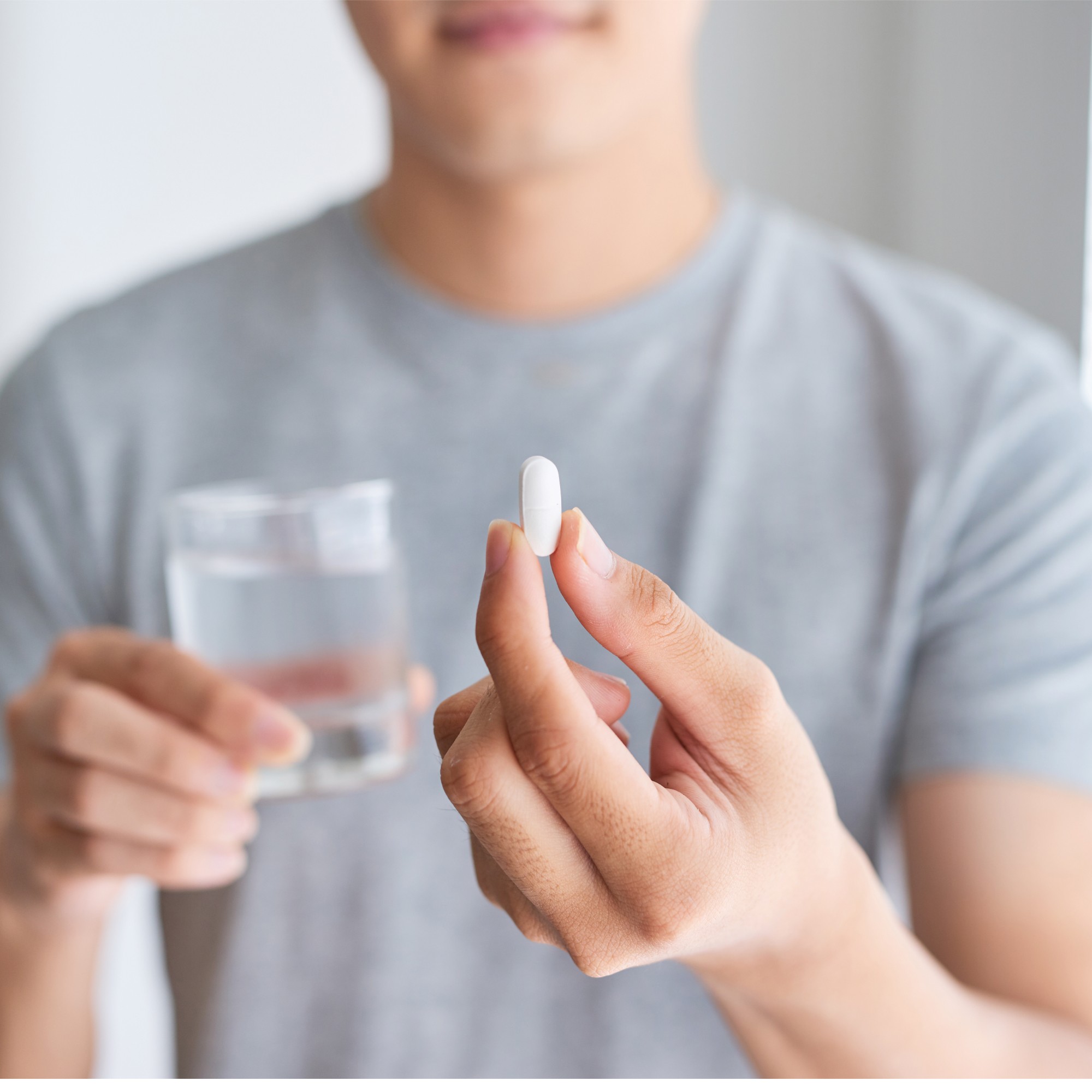
Qsymia is given as a once-daily oral capsule taken in the morning without food. You should not take Qsymia in the evening as it may cause insomnia. It is started at a dose of 3.75mg/23mg (phentermine 3.75mg/topiramate 23mg) for a period of 14 days. After 14 days, it is increased to the recommended dose of 7.5mg/46mg. It can be gradually increased based on how well you tolerate the medication or if you are seeing results. The maximum dose of Qsymia is 15 mg/92mg. 

Side Effects

The most common side effects of Qsymia are numbness and tingling of the hands and feet, dizziness, dry mouth, and trouble sleeping due to the activation of the sympathetic nervous system, as mentioned before. You should not take Qsymia if you are pregnant or are planning on becoming pregnant due to the risk of birth defects. You should also avoid Qsymia if you have a history of fast heart rate (tachycardia) or arrhythmias like atrial fibrillation. 

Cost and Coverage

The average retail cost for Qsymia is around $250 for a month's supply. Since Qysmia has been on the market for some time and has been approved for weight loss, it is more likely to be covered by insurance. You can use the following link to see if your insurance plan covers Qsymia. There is also a Qysmia Savings Card where you can pay up to $70 for the first copay, and then the card covers up to $65 of the remaining cost. 

Where Can I Learn More?

If you would like to learn more about GLP-1 medications or want to see if you might be eligible for medication-assisted weight loss, check out Mochi Health, where board-certified obesity medicine physicians can offer expertise in this realm!

Sources

  1. Gadde KM, Allison DB, Ryan DH, Peterson CA, Troupin B, Schwiers ML, Day WW. Effects of low-dose, controlled-release, phentermine plus topiramate combination on weight and associated comorbidities in overweight and obese adults (CONQUER): a randomised, placebo-controlled, phase 3 trial. Lancet. 2011 Apr 16;377(9774):1341-52. doi: 10.1016/S0140-6736(11)60205-5. Epub 2011 Apr 8. Erratum in: Lancet. 2011 Apr 30;377(9776):1494. PMID: 21481449.

  2. Garvey WT, Ryan DH, Look M, Gadde KM, Allison DB, Peterson CA, Schwiers M, Day WW, Bowden CH. Two-year sustained weight loss and metabolic benefits with controlled-release phentermine/topiramate in obese and overweight adults (SEQUEL): a randomized, placebo-controlled, phase 3 extension study. Am J Clin Nutr. 2012 Feb;95(2):297-308. doi: 10.3945/ajcn.111.024927. Epub 2011 Dec 7. PMID: 22158731; PMCID: PMC3260065.

  3. Allison DB, Gadde KM, Garvey WT, Peterson CA, Schwiers ML, Najarian T, Tam PY, Troupin B, Day WW. Controlled-release phentermine/topiramate in severely obese adults: a randomized controlled trial (EQUIP). Obesity (Silver Spring). 2012 Feb;20(2):330-42. doi: 10.1038/oby.2011.330. Epub 2011 Nov 3. PMID: 22051941; PMCID: PMC3270297.

In the world of weight loss planning, there are a large variety of prescription medications that can be supplemented to your weight loss plan. You may have come across Qsymia while searching for a medication that best suits your weight loss plan. In this post, we will review Qsymia for weight loss in order to help you determine if it is a good fit your weight loss journey.

What Is Qsymia?

Qsymia is a prescription weight loss medication that contains a combination of two drugs: phentermine and topiramate. Phentermine is an appetite suppressant, and topiramate is a commonly used anti-seizure medication. These medications are combined in different dosages in order to achieve a noticeable weight loss effect. Qsymia is FDA-approved for people with a body mass index (BMI) of 30 or higher or those with a BMI of 27 or higher and at least one weight-related condition such as high blood pressure, diabetes, or high cholesterol.

Qsymia should be avoided if you are pregnant or planning to become pregnant as it can cause birth defects in early pregnancy, such as cleft lip and cleft palate. Qsymia should also be avoided if you have glaucoma or a history of tachycardia or arrhythmias. Qsymia is also an FDA-controlled substance and has the potential to cause addiction and drug abuse. 

How Does It Work?

Qsymia works by combining the effects of phentermine and topiramate. As mentioned before, phentermine acts as an appetite suppressant which helps reduce food cravings and appetite. It does this by stimulating the sympathetic nervous system, which is the same system that releases adrenaline into the blood during fight-or-flight situations. The amount of phentermine used is only enough to activate the appetite-suppressing effects of the sympathetic nervous system. Topiramate also suppresses appetite and enhances the effectiveness of phentermine. Together, these medications lead to a desired and sustainable weight loss effect. 

Qsymia and Weight Loss?

Multiple large clinical trials over the past decade have shown that Qsymia effectively reduces body weight and improves blood pressure and cholesterol levels. 

In the CONQUER trial published in 2011, researchers conducted a large clinical trial involving over 200 patients from 93 different hospitals on how effective Qsymia is on obesity and weight-associated comorbidities like hypertension, dyslipidemia, diabetes, or prediabetes. Participants were given different doses of Qsymia (7.5mg/46mg or 15mg/92mg) along with lifestyle modifications for a 56-week period. The results showed that participants taking Qsymia noticed an average of 8 - 10 kg (17-22 lbs) change in weight after the 56-week period. This was compared to the 1.4kg change in the placebo group that received no medication. 

This study was followed up by the SEQUEL trial, a 52-week extension to the CONQUER trial to study the long-term efficacy and safety of Qsymia. From the CONQUER trial, 676 patients were enrolled in this trial for the extended 52 weeks. At the end of the study, participants noticed a sustained weight loss effect of around 9-10% of their body weight from the start of the study. It was also found that there was a reduction in rates of adverse effects after the 108-week period, showing that people were able to tolerate taking Qsymia over a longer period of time. It was also shown that Qsymia improved blood pressure and decreased the rate of diabetes when compared to the placebo group. 

Qsymia was also studied in patients suffering from severe obesity (BMI > 35). In the EQUIP trial published in 2011, researchers enrolled 512 participants who were struggling with severe obesity and gave them different doses of Qsymia (3.5mg/23mg or 15mg/92mg) for a 52-week period (3). The participants also started a calorie-restricted diet while taking Qsymia for the duration of the study. After 52 weeks, participants taking Qsymia lost an average of 5-10% of their baseline body weight, with higher doses leading to a higher percent change. The researchers also noticed a significant reduction in waist circumference, blood pressure, and cholesterol levels. 

Information About Qsymia

Administration and Dosage

Qsymia is given as a once-daily oral capsule taken in the morning without food. You should not take Qsymia in the evening as it may cause insomnia. It is started at a dose of 3.75mg/23mg (phentermine 3.75mg/topiramate 23mg) for a period of 14 days. After 14 days, it is increased to the recommended dose of 7.5mg/46mg. It can be gradually increased based on how well you tolerate the medication or if you are seeing results. The maximum dose of Qsymia is 15 mg/92mg. 

Side Effects

The most common side effects of Qsymia are numbness and tingling of the hands and feet, dizziness, dry mouth, and trouble sleeping due to the activation of the sympathetic nervous system, as mentioned before. You should not take Qsymia if you are pregnant or are planning on becoming pregnant due to the risk of birth defects. You should also avoid Qsymia if you have a history of fast heart rate (tachycardia) or arrhythmias like atrial fibrillation. 

Cost and Coverage

The average retail cost for Qsymia is around $250 for a month's supply. Since Qysmia has been on the market for some time and has been approved for weight loss, it is more likely to be covered by insurance. You can use the following link to see if your insurance plan covers Qsymia. There is also a Qysmia Savings Card where you can pay up to $70 for the first copay, and then the card covers up to $65 of the remaining cost. 

Where Can I Learn More?

If you would like to learn more about GLP-1 medications or want to see if you might be eligible for medication-assisted weight loss, check out Mochi Health, where board-certified obesity medicine physicians can offer expertise in this realm!

Sources

  1. Gadde KM, Allison DB, Ryan DH, Peterson CA, Troupin B, Schwiers ML, Day WW. Effects of low-dose, controlled-release, phentermine plus topiramate combination on weight and associated comorbidities in overweight and obese adults (CONQUER): a randomised, placebo-controlled, phase 3 trial. Lancet. 2011 Apr 16;377(9774):1341-52. doi: 10.1016/S0140-6736(11)60205-5. Epub 2011 Apr 8. Erratum in: Lancet. 2011 Apr 30;377(9776):1494. PMID: 21481449.

  2. Garvey WT, Ryan DH, Look M, Gadde KM, Allison DB, Peterson CA, Schwiers M, Day WW, Bowden CH. Two-year sustained weight loss and metabolic benefits with controlled-release phentermine/topiramate in obese and overweight adults (SEQUEL): a randomized, placebo-controlled, phase 3 extension study. Am J Clin Nutr. 2012 Feb;95(2):297-308. doi: 10.3945/ajcn.111.024927. Epub 2011 Dec 7. PMID: 22158731; PMCID: PMC3260065.

  3. Allison DB, Gadde KM, Garvey WT, Peterson CA, Schwiers ML, Najarian T, Tam PY, Troupin B, Day WW. Controlled-release phentermine/topiramate in severely obese adults: a randomized controlled trial (EQUIP). Obesity (Silver Spring). 2012 Feb;20(2):330-42. doi: 10.1038/oby.2011.330. Epub 2011 Nov 3. PMID: 22051941; PMCID: PMC3270297.

Read next

Feb 2, 2026

How Mochi is Building a Provider Network That Puts Patients First

Jan 26, 2026

How Mochi is Transforming Medication Access

Dec 9, 2025

GLP-1s for Pre-diabetes: Can You Prevent Type II Diabetes?

Dec 2, 2025

The Stigma Problem: Why Patients on GLP-1s Don't Owe Anyone an Explanation

Nov 21, 2025

Which Additive is Best for You? GLP-1 Additives Explained: B12, L-Carnitine, and More

Nov 20, 2025

The Link Between GLP-1s and Inflammation: CRP, Cytokines, and Immune Effects

Nov 19, 2025

CagriSema: The New GLP 1 and Amylin Combination That May Transform Obesity Treatment

Nov 19, 2025

GLP 1s and Cardiometabolic Health: How These Medications Support the Heart and Long Term Wellness

Nov 18, 2025

Why Protein Intake Matters on GLP-1 Medications and How Much You Really Need

Nov 17, 2025

Mochi NAD+: Understanding How This Essential Molecule Supports Energy, Cellular Health, and Longevity

Nov 16, 2025

Mochi Menopause: Expert Menopause Care with Estradiol Pills, Progesterone, and Hormone Creams

Oct 31, 2025

What is GLP-1 Microdosing & How Does it Work?

All articles

Qsymia for Weight Loss: How Does Qsymia Work

Author

Misha Tabatabai

Published on

Feb 2, 2026

Updated on

Feb 2, 2026

Reading time

4 mns

Weight loss

Weight loss

Content

Title 1

Title 2

Title 3

Title 4

Ready to transform your health?

Get expert guidance and a personalized care plan designed around you.

Get started

Introduction

Mi tincidunt elit, id quisque ligula ac diam, amet. Vel etiam suspendisse morbi eleifend faucibus eget vestibulum felis. Dictum quis montes, sit sit. Tellus aliquam enim urna, etiam. Mauris posuere vulputate arcu amet, vitae nisi, tellus tincidunt. At feugiat sapien varius id.

Eget quis mi enim, leo lacinia pharetra, semper. Eget in volutpat mollis at volutpat lectus velit, sed auctor. Porttitor fames arcu quis fusce augue enim. Quis at habitant diam at. Suscipit tristique risus, at donec. In turpis vel et quam imperdiet. Ipsum molestie aliquet sodales id est ac volutpat.

Image caption goes here

Dolor enim eu tortor urna sed duis nulla. Aliquam vestibulum, nulla odio nisl vitae. In aliquet pellentesque aenean hac vestibulum turpis mi bibendum diam. Tempor integer aliquam in vitae malesuada fringilla.

Elit nisi in eleifend sed nisi. Pulvinar at orci, proin imperdiet commodo consectetur convallis risus. Sed condimentum enim dignissim adipiscing faucibus consequat, urna. Viverra purus et erat auctor aliquam. Risus, volutpat vulputate posuere purus sit congue convallis aliquet. Arcu id augue ut feugiat donec porttitor neque. Mauris, neque ultricies eu vestibulum, bibendum quam lorem id. Dolor lacus, eget nunc lectus in tellus, pharetra, porttitor.

"Ipsum sit mattis nulla quam nulla. Gravida id gravida ac enim mauris id. Non pellentesque congue eget consectetur turpis. Sapien, dictum molestie sem tempor. Diam elit, orci, tincidunt aenean tempus."

Tristique odio senectus nam posuere ornare leo metus, ultricies. Blandit duis ultricies vulputate morbi feugiat cras placerat elit. Aliquam tellus lorem sed ac. Montes, sed mattis pellentesque suscipit accumsan. Cursus viverra aenean magna risus elementum faucibus molestie pellentesque. Arcu ultricies sed mauris vestibulum.

Conclusion

Morbi sed imperdiet in ipsum, adipiscing elit dui lectus. Tellus id scelerisque est ultricies ultricies. Duis est sit sed leo nisl, blandit elit sagittis. Quisque tristique consequat quam sed. Nisl at scelerisque amet nulla purus habitasse.

Nunc sed faucibus bibendum feugiat sed interdum. Ipsum egestas condimentum mi massa. In tincidunt pharetra consectetur sed duis facilisis metus. Etiam egestas in nec sed et. Quis lobortis at sit dictum eget nibh tortor commodo cursus.

Odio felis sagittis, morbi feugiat tortor vitae feugiat fusce aliquet. Nam elementum urna nisi aliquet erat dolor enim. Ornare id morbi eget ipsum. Aliquam senectus neque ut id eget consectetur dictum. Donec posuere pharetra odio consequat scelerisque et, nunc tortor.Nulla adipiscing erat a erat. Condimentum lorem posuere gravida enim posuere cursus diam.

Share this post

Weight loss

Misha Tabatabai

Feb 2, 2026

More articles

Read next

Weight loss

Traveling on GLP-1s: TSA Rules, Storage, and Injection Timing

Traveling on GLP-1s: TSA Rules, Storage, and Injection Timing

Shanmu Raja

Weight loss

Traveling on GLP-1s: TSA Rules, Storage, and Injection Timing

Traveling on GLP-1s: TSA Rules, Storage, and Injection Timing

Shanmu Raja

Weight loss

Traveling on GLP-1s: TSA Rules, Storage, and Injection Timing

Traveling on GLP-1s: TSA Rules, Storage, and Injection Timing

Shanmu Raja

Ready to transform your health?

Unlock access to expert guidance and a weight care plan crafted just for you.

Personalized care designed for you.

© 2026 Mochi Health

All professional medical services are provided by licensed physicians and clinicians affiliated with independently owned and operated professional practices. Mochi Health Corp. provides administrative and technology services to affiliated medical practices it supports, and does not provide any professional medical services itself.

Personalized care designed for you.

© 2026 Mochi Health

All professional medical services are provided by licensed physicians and clinicians affiliated with independently owned and operated professional practices. Mochi Health Corp. provides administrative and technology services to affiliated medical practices it supports, and does not provide any professional medical services itself.

Personalized care designed for you.

© 2026 Mochi Health

All professional medical services are provided by licensed physicians and clinicians affiliated with independently owned and operated professional practices. Mochi Health Corp. provides administrative and technology services to affiliated medical practices it supports, and does not provide any professional medical services itself.