

Branded medication

Branded medication

Posted on

Posted on

Updated on

Updated on

Saxenda for Weight Loss: What Is Saxenda & How It Works

Saxenda for Weight Loss: What Is Saxenda & How It Works

Learn how Saxenda works to promote weight loss. Explore the potential side effects and interactions associated with Saxenda.

Learn how Saxenda works to promote weight loss. Explore the potential side effects and interactions associated with Saxenda.

Table of Contents

Table of Contents

  • What is Saxenda?

  • How does Saxenda Work?

  • Who Qualifies For Saxenda?

  • Can Saxenda Be Used for Weight Loss?

  • Saxenda vs Other GLP-1 Medications

  • Saxenda Side Effects

  • Saxenda Dosage and Administration

  • \u200d

  • Saxenda Contraindications and Warnings

  • Saxenda Coverage and Costs

  • Where Can I Get Saxenda?

  • Frequently Asked Questions

  • References

  • What is Saxenda?

  • How does Saxenda Work?

  • Who Qualifies For Saxenda?

  • Can Saxenda Be Used for Weight Loss?

  • Saxenda vs Other GLP-1 Medications

  • Saxenda Side Effects

  • Saxenda Dosage and Administration

  • \u200d

  • Saxenda Contraindications and Warnings

  • Saxenda Coverage and Costs

  • Where Can I Get Saxenda?

  • Frequently Asked Questions

  • References

Saxenda for Weight Loss

Do you want to learn more about how Saxenda can help you lose weight? Scroll down and see if Saxenda is right for you!

What is Saxenda?

Saxenda is a type of GLP-1 agonist medication with the active ingredient of Liraglutide. Saxenda is FDA-approved for treating obesity and is often used to help people lose weight. It is a once-daily pen injection similar to Victoza.

How does Saxenda Work?

As mentioned before, the active ingredient in Saxenda is Liraglutide, which belongs to a class of medications called GLP-1 receptor agonists. These medications mimic the action of the naturally occurring hormone GLP-1 (glucagon-like peptide 1) in the body.

The intestine produces GLP-1 in response to food intake, which helps to stimulate insulin release from the pancreas to lower blood glucose levels. GLP-1 also helps to slow down the rate at which food is digested and absorbed in the intestine, which can help to reduce appetite and promote weight loss. Liraglutide is similar in structure to GLP-1, and it binds to the GLP-1 receptor in the body, activating several pathways that help lower blood glucose levels and promotes weight loss.

Who Qualifies For Saxenda?

Saxenda is FDA-approved for the management of obesity. If you have a BMI >30 or a BMI > 27 with at least one obesity-related condition (diabetes, pre-diabetes, high blood pressure, or high cholesterol), you may be eligible to take Saxenda. It can also be used for teens ages 12-17 struggling with obesity.

Can Saxenda Be Used for Weight Loss?

In the SCALE trial published in 2015, researchers looked at how effective Saxenda (Liraglutide) was at helping non-diabetic patients struggling with obesity lose weight. Participants were given Saxenda and counseling on appropriate lifestyle modifications (diet and exercise) for 56 weeks. At the end of 56 weeks, people taking Saxenda lost an average of 8.4 kg (~18 lbs), significantly more than the placebo group, who only did lifestyle modifications (1). This showed us that Saxenda, in combination with diet and exercise, can effectively help people with obesity lose weight.

Saxenda vs Other GLP-1 Medications

Saxenda vs Trulicity

In an observational study published in 2020, researchers compared dulaglutide (Trulicity) and liraglutide head-to-head on how effective these medications were for type 2 diabetes. They found that both medications effectively helped with weight loss (1.14kg for dulaglutide and 1.64kg for liraglutide), but there was no significant difference between the two medications (2). Both medications reduced body weight by a similar amount. They also saw that dulaglutide did improve blood pressure better than liraglutide.

Saxenda vs Wegovy

Semaglutide is another type of GLP-1 medication that ae used to treat type 2 diabetes and obesity. It is sold under the brand names: Wegovy®, Ozempic® and Rybelsus.

When comparing Wegovy® to Saxenda, semaglutide has been shown to have a more significant weight loss effect. In a study published in 2022 called the STEP-8 clinical trial, researchers compared the weight loss effect of Wegovy® vs. Saxenda for non-diabetic patients struggling with obesity (3). Participants were given either Wegovy® or Saxenda, were started on a calorie restriction diet and regular exercise, then were followed for a 68-week period. The researchers found that participants taking Wegovy® noticed a 15.8% change in body weight, while participants taking Saxenda noticed a change of 6.4%.

Saxenda Side Effects

The most common side effects of Saxenda include:

  • Nausea (40%)

  • Diarrhea (20%)

  • Constipation (20%)

  • Vomiting (16%)

  • Abdominal Pain (5%)

  • Decreased Appetite (10%)

  • Headache (13%)

These side effects are often mild to moderate in severity and disappear over time. If you experience severe side effects while taking Saxenda, you should notify your provider as soon as possible.

Saxenda Dosage and Administration

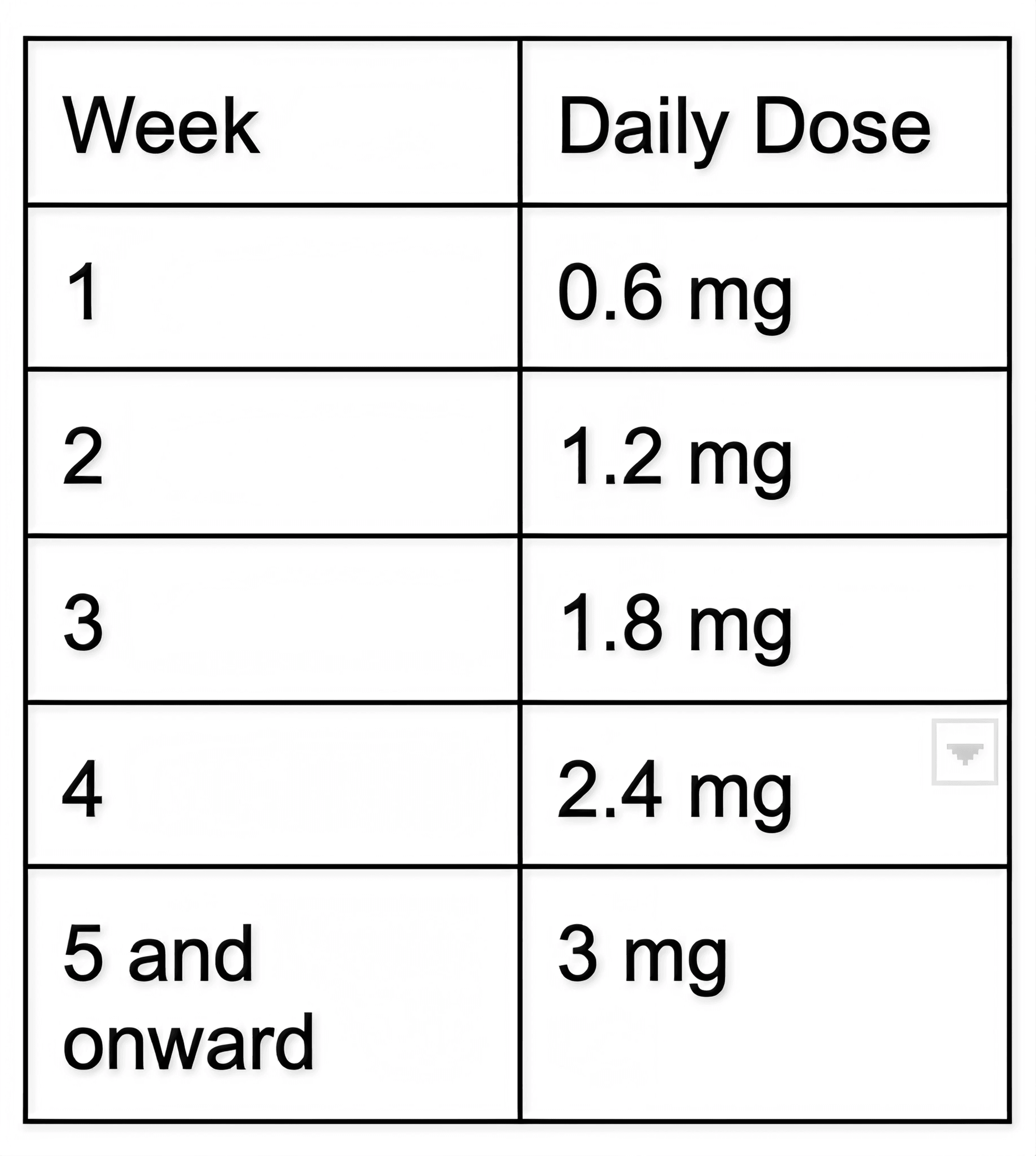
Saxenda is a once-daily pen injection started at 0.6 mg for one week. After one week, the dose can be increased with each week of treatment to 1.2 mg, 1.8 mg, and 2.4 mg, to a max of 3 mg. At 16 weeks of treatment, if you have not seen at least a 4% decrease in body weight, you should stop using Saxenda since it will unlikely lead to significant weight loss.
Saxenda can be administered in the abdomen, thigh, or upper arm. Make sure to rotate injection sites with each dose. If a dose is missed, DO NOT take an extra dose to make up for the missed dose. Continue with the dosage as scheduled.

Saxenda Contraindications and Warnings

Pancreatitis

Pancreatitis occurs when the pancreas becomes inflamed. This is an infrequent but potential side effect of Saxenda. If you have a history of pancreatitis, please inform your provider before starting Saxenda.

Hypoglycemia (Low Blood Sugar)

Since Saxenda increases insulin secretion, there is a risk that your blood sugar can be lowered to dangerous levels. This is known as hypoglycemia. If you have a history of hypoglycemia or are currently using insulin, you must inform your provider before starting Saxenda.

Serious Allergic Reaction

You may experience a severe allergic reaction to Saxenda when first taking it. Signs of a severe allergic reaction include swelling of your face, lips, tongue, or throat, problems breathing or swallowing, severe rash or itching, fainting or feeling dizzy, and very rapid heartbeat. Let your provider know immediately if you have experienced this with other GLP-1 medications or are currently experiencing this when taking Saxenda.

Kidney Disease

Though Saxenda is safe for people with kidney disease, the stomach problems associated with Saxenda may lead to fluid loss by vomiting, nausea, or vomiting. If you do have kidney problems, it is essential to stay hydrated while on Saxenda. If the gastrointestinal side effects of Saxenda are preventing you from adequately staying hydrated, then let your provider know immediately.

Severe Stomach Problems

The most common side effect of Saxenda is gastrointestinal upset, which includes stomach ache, nausea, diarrhea, vomiting, and loss of appetite. If these symptoms become so severe that they significantly affect your daily life or ability to eat regularly, then let your provider know.

Changes in Vision

For patients with a history of diabetic retinopathy, there is a chance that your vision can worsen when taking Saxenda. If you do have a history of diabetic retinopathy, then let your provider know before starting Saxenda.

Gallbladder Disease

Saxenda can also cause some gallbladder issues along with other gastrointestinal side effects. Since Saxenda can decrease the movement of food through the gastrointestinal system, it can also reduce the function of the gallbladder. This can lead to gallstone formation, which can block the release of bile, leading to the inflammation of the gallbladder.

If you have a history of gallstones or cholecystitis (inflammation of the gallbladder), then let your provider know before starting Saxenda. If you have had your gallbladder removed in the past, then you can still take Saxenda.

Thyroid Cancer or Family History of MEN-2

Though very rare, there is a risk of the development of a specific type of thyroid cancer when taking Saxenda, called Medullary Thyroid Cancer. If you have a history of medullary thyroid cancer or a family history of Multiple Endocrine Neoplasia Cancer Syndrome Type 2 (MEN-2), let your provider know before starting Saxenda. MEN-2 is a genetic cancer syndrome that puts a patient at risk for the development of Medullary Thyroid Cancer, which is why patients with this syndrome should avoid taking Saxenda.

Pregnancy

You should avoid using Saxenda if you are pregnant or plan on becoming pregnant. The weight loss effects may not benefit you during pregnancy and have the potential to harm the fetus.

Saxenda Coverage and Costs

Saxenda can be expensive, depending on whether you have insurance. Saxenda can cost around $1300-$1400 for a month’s supply. Depending on your insurance plan, you may be eligible for the Saxenda Savings Offer, where you can pay as little as $25 per 30-day supply.


Where Can I Get Saxenda?

If you would like to learn more about GLP-1 medications or want to see if you might be eligible for medication-assisted weight loss, check out Mochi Health, where board-certified obesity medicine physicians can offer expertise in this realm!

Mochi Health is a virtual obesity medicine practice that connects you with medical providers, like licensed physicians and nurse practitioners, to help you optimize your weight loss journey. We provide monthly video chats with actual medical providers to provide guidance about weight management and to get you started on prescription weight loss medications to supplement your weight loss plan.

Frequently Asked Questions

Check out our Mochi Health Blogs to learn about different topics on weight loss medications.

Who should avoid taking Saxenda?

W‍h‍at is the best diet while taking Saxenda?‍

C‍an Saxenda lower my blood sugar?

D‍o‍es Saxenda cause thyroid cancer?‍

C‍a‍n Saxenda prevent me from having babies?

Get started at Mochi Health today!

Sources

  1. Pi-Sunyer X, Astrup A, Fujioka K, Greenway F, Halpern A, Krempf M, Lau DC, le Roux CW, Violante Ortiz R, Jensen CB, Wilding JP; SCALE Obesity and Prediabetes NN8022-1839 Study Group. A Randomized, Controlled Trial of 3.0 mg of Liraglutide in Weight Management. N Engl J Med. 2015 Jul 2;373(1):11-22. doi: 10.1056/NEJMoa1411892. PMID: 26132939.

  2. Chang KC, Shao SC, Kuo S, Yang CY, Chen HY, Chan YY, Ou HT. Comparative effectiveness of dulaglutide versus liraglutide in Asian type 2 diabetes patients: a multi-institutional cohort study and meta-analysis. Cardiovasc Diabetol. 2020 Oct 9;19(1):172. doi: 10.1186/s12933-020-01148-8. PMID: 33036617; PMCID: PMC7547475.

  3. Rubino DM, Greenway FL, Khalid U, et al. Effect of Weekly Subcutaneous Semaglutide vs Daily Liraglutide on Body Weight in Adults With Overweight or Obesity Without Diabetes: The STEP 8 Randomized Clinical Trial. JAMA. 2022;327(2):138–150. doi:10.1001/jama.2021.23619

Saxenda for Weight Loss

Do you want to learn more about how Saxenda can help you lose weight? Scroll down and see if Saxenda is right for you!

What is Saxenda?

Saxenda is a type of GLP-1 agonist medication with the active ingredient of Liraglutide. Saxenda is FDA-approved for treating obesity and is often used to help people lose weight. It is a once-daily pen injection similar to Victoza.

How does Saxenda Work?

As mentioned before, the active ingredient in Saxenda is Liraglutide, which belongs to a class of medications called GLP-1 receptor agonists. These medications mimic the action of the naturally occurring hormone GLP-1 (glucagon-like peptide 1) in the body.

The intestine produces GLP-1 in response to food intake, which helps to stimulate insulin release from the pancreas to lower blood glucose levels. GLP-1 also helps to slow down the rate at which food is digested and absorbed in the intestine, which can help to reduce appetite and promote weight loss. Liraglutide is similar in structure to GLP-1, and it binds to the GLP-1 receptor in the body, activating several pathways that help lower blood glucose levels and promotes weight loss.

Who Qualifies For Saxenda?

Saxenda is FDA-approved for the management of obesity. If you have a BMI >30 or a BMI > 27 with at least one obesity-related condition (diabetes, pre-diabetes, high blood pressure, or high cholesterol), you may be eligible to take Saxenda. It can also be used for teens ages 12-17 struggling with obesity.

Can Saxenda Be Used for Weight Loss?

In the SCALE trial published in 2015, researchers looked at how effective Saxenda (Liraglutide) was at helping non-diabetic patients struggling with obesity lose weight. Participants were given Saxenda and counseling on appropriate lifestyle modifications (diet and exercise) for 56 weeks. At the end of 56 weeks, people taking Saxenda lost an average of 8.4 kg (~18 lbs), significantly more than the placebo group, who only did lifestyle modifications (1). This showed us that Saxenda, in combination with diet and exercise, can effectively help people with obesity lose weight.

Saxenda vs Other GLP-1 Medications

Saxenda vs Trulicity

In an observational study published in 2020, researchers compared dulaglutide (Trulicity) and liraglutide head-to-head on how effective these medications were for type 2 diabetes. They found that both medications effectively helped with weight loss (1.14kg for dulaglutide and 1.64kg for liraglutide), but there was no significant difference between the two medications (2). Both medications reduced body weight by a similar amount. They also saw that dulaglutide did improve blood pressure better than liraglutide.

Saxenda vs Wegovy

Semaglutide is another type of GLP-1 medication that ae used to treat type 2 diabetes and obesity. It is sold under the brand names: Wegovy®, Ozempic® and Rybelsus.

When comparing Wegovy® to Saxenda, semaglutide has been shown to have a more significant weight loss effect. In a study published in 2022 called the STEP-8 clinical trial, researchers compared the weight loss effect of Wegovy® vs. Saxenda for non-diabetic patients struggling with obesity (3). Participants were given either Wegovy® or Saxenda, were started on a calorie restriction diet and regular exercise, then were followed for a 68-week period. The researchers found that participants taking Wegovy® noticed a 15.8% change in body weight, while participants taking Saxenda noticed a change of 6.4%.

Saxenda Side Effects

The most common side effects of Saxenda include:

  • Nausea (40%)

  • Diarrhea (20%)

  • Constipation (20%)

  • Vomiting (16%)

  • Abdominal Pain (5%)

  • Decreased Appetite (10%)

  • Headache (13%)

These side effects are often mild to moderate in severity and disappear over time. If you experience severe side effects while taking Saxenda, you should notify your provider as soon as possible.

Saxenda Dosage and Administration

Saxenda is a once-daily pen injection started at 0.6 mg for one week. After one week, the dose can be increased with each week of treatment to 1.2 mg, 1.8 mg, and 2.4 mg, to a max of 3 mg. At 16 weeks of treatment, if you have not seen at least a 4% decrease in body weight, you should stop using Saxenda since it will unlikely lead to significant weight loss.

Saxenda can be administered in the abdomen, thigh, or upper arm. Make sure to rotate injection sites with each dose. If a dose is missed, DO NOT take an extra dose to make up for the missed dose. Continue with the dosage as scheduled.

Saxenda Contraindications and Warnings

Pancreatitis

Pancreatitis occurs when the pancreas becomes inflamed. This is an infrequent but potential side effect of Saxenda. If you have a history of pancreatitis, please inform your provider before starting Saxenda.

Hypoglycemia (Low Blood Sugar)

Since Saxenda increases insulin secretion, there is a risk that your blood sugar can be lowered to dangerous levels. This is known as hypoglycemia. If you have a history of hypoglycemia or are currently using insulin, you must inform your provider before starting Saxenda.

Serious Allergic Reaction

You may experience a severe allergic reaction to Saxenda when first taking it. Signs of a severe allergic reaction include swelling of your face, lips, tongue, or throat, problems breathing or swallowing, severe rash or itching, fainting or feeling dizzy, and very rapid heartbeat. Let your provider know immediately if you have experienced this with other GLP-1 medications or are currently experiencing this when taking Saxenda.

Kidney Disease

Though Saxenda is safe for people with kidney disease, the stomach problems associated with Saxenda may lead to fluid loss by vomiting, nausea, or vomiting. If you do have kidney problems, it is essential to stay hydrated while on Saxenda. If the gastrointestinal side effects of Saxenda are preventing you from adequately staying hydrated, then let your provider know immediately.

Severe Stomach Problems

The most common side effect of Saxenda is gastrointestinal upset, which includes stomach ache, nausea, diarrhea, vomiting, and loss of appetite. If these symptoms become so severe that they significantly affect your daily life or ability to eat regularly, then let your provider know.

Changes in Vision

For patients with a history of diabetic retinopathy, there is a chance that your vision can worsen when taking Saxenda. If you do have a history of diabetic retinopathy, then let your provider know before starting Saxenda.

Gallbladder Disease

Saxenda can also cause some gallbladder issues along with other gastrointestinal side effects. Since Saxenda can decrease the movement of food through the gastrointestinal system, it can also reduce the function of the gallbladder. This can lead to gallstone formation, which can block the release of bile, leading to the inflammation of the gallbladder.

If you have a history of gallstones or cholecystitis (inflammation of the gallbladder), then let your provider know before starting Saxenda. If you have had your gallbladder removed in the past, then you can still take Saxenda.

Thyroid Cancer or Family History of MEN-2

Though very rare, there is a risk of the development of a specific type of thyroid cancer when taking Saxenda, called Medullary Thyroid Cancer. If you have a history of medullary thyroid cancer or a family history of Multiple Endocrine Neoplasia Cancer Syndrome Type 2 (MEN-2), let your provider know before starting Saxenda. MEN-2 is a genetic cancer syndrome that puts a patient at risk for the development of Medullary Thyroid Cancer, which is why patients with this syndrome should avoid taking Saxenda.

Pregnancy

You should avoid using Saxenda if you are pregnant or plan on becoming pregnant. The weight loss effects may not benefit you during pregnancy and have the potential to harm the fetus.

Saxenda Coverage and Costs

Saxenda can be expensive, depending on whether you have insurance. Saxenda can cost around $1300-$1400 for a month’s supply. Depending on your insurance plan, you may be eligible for the Saxenda Savings Offer, where you can pay as little as $25 per 30-day supply.


Where Can I Get Saxenda?

If you would like to learn more about GLP-1 medications or want to see if you might be eligible for medication-assisted weight loss, check out Mochi Health, where board-certified obesity medicine physicians can offer expertise in this realm!

Mochi Health is a virtual obesity medicine practice that connects you with medical providers, like licensed physicians and nurse practitioners, to help you optimize your weight loss journey. We provide monthly video chats with actual medical providers to provide guidance about weight management and to get you started on prescription weight loss medications to supplement your weight loss plan.

Frequently Asked Questions

Check out our Mochi Health Blogs to learn about different topics on weight loss medications.

Who should avoid taking Saxenda?

W‍h‍at is the best diet while taking Saxenda?‍

C‍an Saxenda lower my blood sugar?

D‍o‍es Saxenda cause thyroid cancer?‍

C‍a‍n Saxenda prevent me from having babies?

Get started at Mochi Health today!

Sources

  1. Pi-Sunyer X, Astrup A, Fujioka K, Greenway F, Halpern A, Krempf M, Lau DC, le Roux CW, Violante Ortiz R, Jensen CB, Wilding JP; SCALE Obesity and Prediabetes NN8022-1839 Study Group. A Randomized, Controlled Trial of 3.0 mg of Liraglutide in Weight Management. N Engl J Med. 2015 Jul 2;373(1):11-22. doi: 10.1056/NEJMoa1411892. PMID: 26132939.

  2. Chang KC, Shao SC, Kuo S, Yang CY, Chen HY, Chan YY, Ou HT. Comparative effectiveness of dulaglutide versus liraglutide in Asian type 2 diabetes patients: a multi-institutional cohort study and meta-analysis. Cardiovasc Diabetol. 2020 Oct 9;19(1):172. doi: 10.1186/s12933-020-01148-8. PMID: 33036617; PMCID: PMC7547475.

  3. Rubino DM, Greenway FL, Khalid U, et al. Effect of Weekly Subcutaneous Semaglutide vs Daily Liraglutide on Body Weight in Adults With Overweight or Obesity Without Diabetes: The STEP 8 Randomized Clinical Trial. JAMA. 2022;327(2):138–150. doi:10.1001/jama.2021.23619

Read next

Feb 2, 2026

How Mochi is Building a Provider Network That Puts Patients First

Jan 26, 2026

How Mochi is Transforming Medication Access

Dec 9, 2025

GLP-1s for Pre-diabetes: Can You Prevent Type II Diabetes?

Dec 2, 2025

The Stigma Problem: Why Patients on GLP-1s Don't Owe Anyone an Explanation

Nov 21, 2025

Which Additive is Best for You? GLP-1 Additives Explained: B12, L-Carnitine, and More

Nov 20, 2025

The Link Between GLP-1s and Inflammation: CRP, Cytokines, and Immune Effects

Nov 19, 2025

CagriSema: The New GLP 1 and Amylin Combination That May Transform Obesity Treatment

Nov 19, 2025

GLP 1s and Cardiometabolic Health: How These Medications Support the Heart and Long Term Wellness

Nov 18, 2025

Why Protein Intake Matters on GLP-1 Medications and How Much You Really Need

Nov 17, 2025

Mochi NAD+: Understanding How This Essential Molecule Supports Energy, Cellular Health, and Longevity

Nov 16, 2025

Mochi Menopause: Expert Menopause Care with Estradiol Pills, Progesterone, and Hormone Creams

Oct 31, 2025

What is GLP-1 Microdosing & How Does it Work?

All articles

Saxenda for Weight Loss: What Is Saxenda & How It Works

Author

Misha Tabatabai

Published on

Feb 2, 2026

Updated on

Feb 2, 2026

Reading time

4 mns

Weight loss

Weight loss

Content

Title 1

Title 2

Title 3

Title 4

Ready to transform your health?

Get expert guidance and a personalized care plan designed around you.

Get started

Introduction

Mi tincidunt elit, id quisque ligula ac diam, amet. Vel etiam suspendisse morbi eleifend faucibus eget vestibulum felis. Dictum quis montes, sit sit. Tellus aliquam enim urna, etiam. Mauris posuere vulputate arcu amet, vitae nisi, tellus tincidunt. At feugiat sapien varius id.

Eget quis mi enim, leo lacinia pharetra, semper. Eget in volutpat mollis at volutpat lectus velit, sed auctor. Porttitor fames arcu quis fusce augue enim. Quis at habitant diam at. Suscipit tristique risus, at donec. In turpis vel et quam imperdiet. Ipsum molestie aliquet sodales id est ac volutpat.

Image caption goes here

Dolor enim eu tortor urna sed duis nulla. Aliquam vestibulum, nulla odio nisl vitae. In aliquet pellentesque aenean hac vestibulum turpis mi bibendum diam. Tempor integer aliquam in vitae malesuada fringilla.

Elit nisi in eleifend sed nisi. Pulvinar at orci, proin imperdiet commodo consectetur convallis risus. Sed condimentum enim dignissim adipiscing faucibus consequat, urna. Viverra purus et erat auctor aliquam. Risus, volutpat vulputate posuere purus sit congue convallis aliquet. Arcu id augue ut feugiat donec porttitor neque. Mauris, neque ultricies eu vestibulum, bibendum quam lorem id. Dolor lacus, eget nunc lectus in tellus, pharetra, porttitor.

"Ipsum sit mattis nulla quam nulla. Gravida id gravida ac enim mauris id. Non pellentesque congue eget consectetur turpis. Sapien, dictum molestie sem tempor. Diam elit, orci, tincidunt aenean tempus."

Tristique odio senectus nam posuere ornare leo metus, ultricies. Blandit duis ultricies vulputate morbi feugiat cras placerat elit. Aliquam tellus lorem sed ac. Montes, sed mattis pellentesque suscipit accumsan. Cursus viverra aenean magna risus elementum faucibus molestie pellentesque. Arcu ultricies sed mauris vestibulum.

Conclusion

Morbi sed imperdiet in ipsum, adipiscing elit dui lectus. Tellus id scelerisque est ultricies ultricies. Duis est sit sed leo nisl, blandit elit sagittis. Quisque tristique consequat quam sed. Nisl at scelerisque amet nulla purus habitasse.

Nunc sed faucibus bibendum feugiat sed interdum. Ipsum egestas condimentum mi massa. In tincidunt pharetra consectetur sed duis facilisis metus. Etiam egestas in nec sed et. Quis lobortis at sit dictum eget nibh tortor commodo cursus.

Odio felis sagittis, morbi feugiat tortor vitae feugiat fusce aliquet. Nam elementum urna nisi aliquet erat dolor enim. Ornare id morbi eget ipsum. Aliquam senectus neque ut id eget consectetur dictum. Donec posuere pharetra odio consequat scelerisque et, nunc tortor.Nulla adipiscing erat a erat. Condimentum lorem posuere gravida enim posuere cursus diam.

Share this post

Weight loss

Misha Tabatabai

Feb 2, 2026

More articles

Read next

Weight loss

Traveling on GLP-1s: TSA Rules, Storage, and Injection Timing

Traveling on GLP-1s: TSA Rules, Storage, and Injection Timing

Shanmu Raja

Weight loss

Traveling on GLP-1s: TSA Rules, Storage, and Injection Timing

Traveling on GLP-1s: TSA Rules, Storage, and Injection Timing

Shanmu Raja

Weight loss

Traveling on GLP-1s: TSA Rules, Storage, and Injection Timing

Traveling on GLP-1s: TSA Rules, Storage, and Injection Timing

Shanmu Raja

Ready to transform your health?

Unlock access to expert guidance and a weight care plan crafted just for you.

Personalized care designed for you.

© 2026 Mochi Health

All professional medical services are provided by licensed physicians and clinicians affiliated with independently owned and operated professional practices. Mochi Health Corp. provides administrative and technology services to affiliated medical practices it supports, and does not provide any professional medical services itself.

Personalized care designed for you.

© 2026 Mochi Health

All professional medical services are provided by licensed physicians and clinicians affiliated with independently owned and operated professional practices. Mochi Health Corp. provides administrative and technology services to affiliated medical practices it supports, and does not provide any professional medical services itself.

Personalized care designed for you.

© 2026 Mochi Health

All professional medical services are provided by licensed physicians and clinicians affiliated with independently owned and operated professional practices. Mochi Health Corp. provides administrative and technology services to affiliated medical practices it supports, and does not provide any professional medical services itself.