All articles
Best Menopause Diet for Weight Loss
Reading time:
13 min

Menopause
Get expert guidance and a personalized care plan designed around you.
Tips for Following a Menopause Diet
Making sustainable dietary changes during menopause doesn’t have to be overwhelming. These practical strategies can help you develop habits that support your goals:
Keep a food diary
Keeping a food diary for even one or two weeks is a great way to get a better understanding of your diet. It may help you realize that you are not getting as much protein as you assumed, that you are eating more processed foods than you thought, or that you are not eating as many vegetables as you need. For a lot of people, simply being more aware of their eating habits is enough to inspire some beneficial lifestyle modifications. There are apps that can make this process easier, or you can just use a notebook.
Focus on addition, not subtraction
Rather than focusing on what you need to cut out, focus on what you can add. Can you add a side of veggies to lunch? Add some berries to your breakfast? Add a source of protein to each meal? As you add in more healthful foods, you begin to squeeze out the less healthful foods without feeling restricted.
Plan and prep when possible
Decision fatigue is real, especially when you’re tired and hungry. Many people find that dedicating time on weekends to plan meals for the week ahead makes weeknight eating much easier. Cook extra portions at dinner to have leftovers for lunch. Wash and chop vegetables when you get home from the grocery store so they’re ready to use. Keep simple, healthy options available for busy days.
Work with healthcare professionals
It’s not always easy to maintain a healthy weight during menopause, but you don’t have to do it by yourself. A provider, registered dietitian, or weight loss professional will consider your hormone levels, your medical history, any medications you’re taking, and other factors to provide personalized recommendations. You may need more than just dietary and lifestyle changes, depending on your circumstances. Talk to your provider about what’s best for you.
Menopause Diet FAQs
What is a menopause diet?
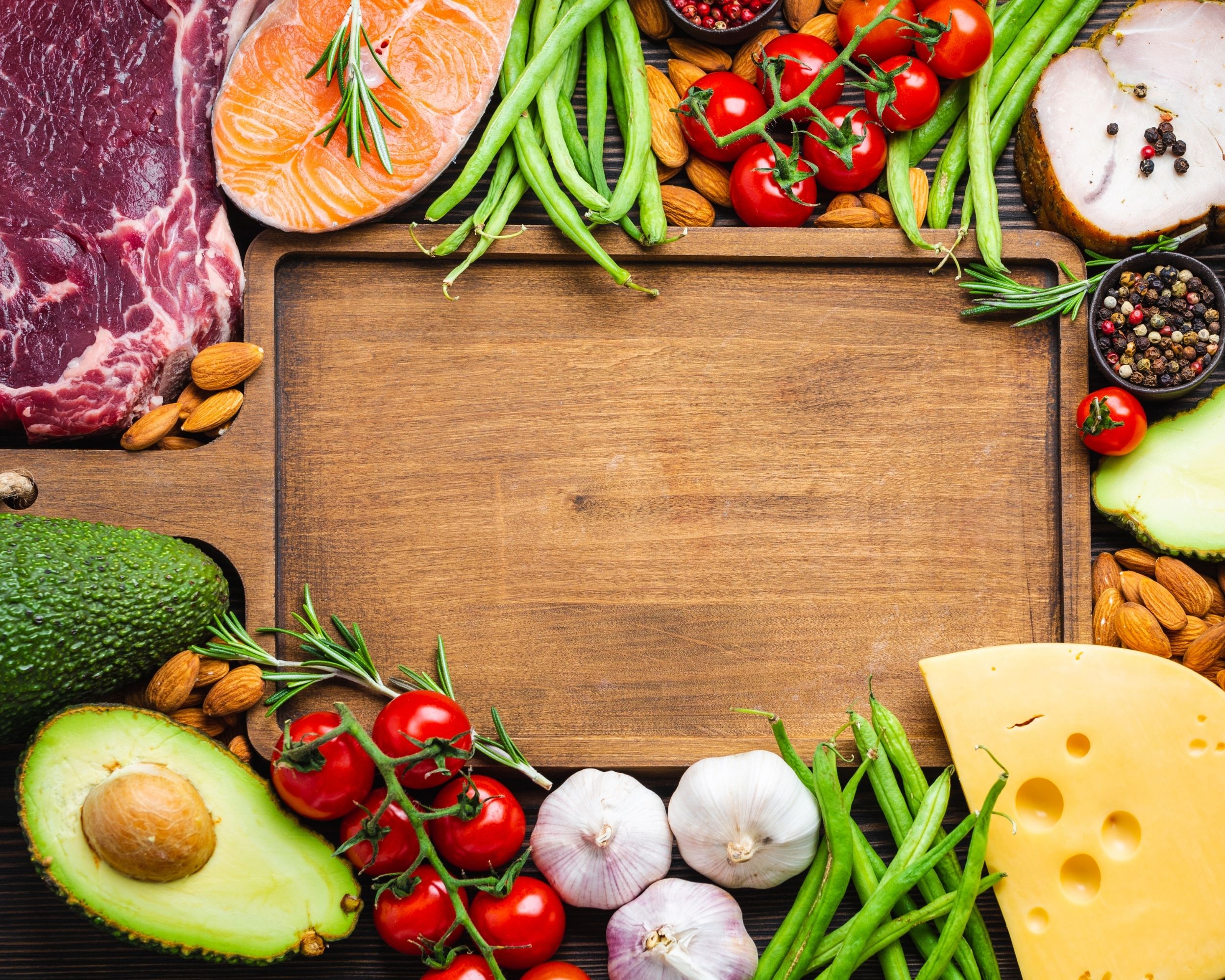
A menopause diet emphasizes nutrient-dense whole foods, adequate protein and fiber, and balanced nutrition to support the metabolic changes that occur during the menopausal transition. Rather than restrictive eating, it focuses on foods that help manage symptoms, maintain muscle mass, and support overall health. There isn’t one specific “menopause diet”, different eating patterns can work well depending on individual preferences and needs. Your healthcare provider can help you create an eating plan tailored to your specific situation.
Can diet alone help with menopause weight gain?
Research shows that nutrition plays an important role in managing weight during menopause, though individual results vary significantly. Many people find that combining dietary changes with other lifestyle factors, such as regular physical activity, adequate sleep, and stress management, provides more comprehensive support than diet alone. Some women may also benefit from medical interventions to support weight management.
How much protein should I eat during menopause?
Studies suggest protein intake in the range of 1.0 to 1.2 grams per kilogram of body weight per day may help support muscle mass maintenance in older adults. For women who are physically active, protein needs may be higher. This translates to approximately 68-82 grams daily for a 150-pound woman, or roughly 20-25 grams per meal. Your healthcare provider or registered dietitian can help determine the right protein target based on your individual activity level, health status, and goals.
Should I avoid carbohydrates during menopause?
There is no current research to suggest that you should cut out entire categories of foods, such as carbohydrates. Carbohydrates, particularly those from whole grains, contain fiber, B vitamins, and offer a source of energy. Instead of cutting carbohydrates out, focus on the quality of carbs that you are consuming. Whole grains, fruits, and vegetables can provide fiber, vitamins, minerals, and antioxidants that are important for health, but consuming more refined carbohydrates and added sugars may have negative health effects for some women during menopause. Your healthcare provider can give you guidance on the type and amount of carbs that are right for you.
How quickly can I lose weight on a menopause diet?
Weight loss during menopause varies significantly between individuals and depends on many factors, including hormonal changes, activity level, starting weight, overall health, and adherence to dietary changes. Sustainable weight loss typically occurs gradually, rushing the process often leads to loss of muscle mass rather than fat and makes weight regain more likely. Your healthcare provider can help set realistic expectations based on your health profile and discuss what rate of change would be both safe and sustainable for your situation.
What foods should I avoid during menopause?
Rather than a strict “avoid” list, research suggests limiting ultra-processed foods, excess added sugars, and foods high in sodium and saturated fat. These items don’t need to be completely eliminated, but making them occasional treats rather than dietary staples tends to support better health outcomes. Focus on what you should include, whole foods, adequate protein, fiber-rich plants, and healthy fats, and there’s naturally less room for highly processed options.
Ready to Take the Next Step?
Managing weight during menopause is a unique challenge that involves more than just willpower. Hormonal changes, shifts in body composition, and metabolic adaptations all play roles, which is why having healthcare professionals who understand these realities can make such a difference in achieving long-term success.
If you’re interested in learning whether GLP-1 treatment might be appropriate for your situation, Mochi Health offers comprehensive weight management care that includes medical assessment, personalized nutrition guidance, and ongoing support. Our providers can evaluate your individual needs and help determine whether GLP-1 medications could be part of your weight management strategy during menopause. Check your eligibility here
For women experiencing significant menopausal symptoms or interested in exploring Hormone Replacement Therapy (HRT) as part of a comprehensive approach to managing this transition, Mochi offers clinical options tailored to your needs.
References:
Barrea, L., Pugliese, G., Laudisio, D., Colao, A., Savastano, S., & Muscogiuri, G. (2020). Mediterranean diet as medical prescription in menopausal women with obesity: a practical guide for nutritionists. Critical Reviews in Food Science and Nutrition, 61(7), 1201-1211. https://doi.org/10.1080/10408398.2020.1755220
Bauer, J., Biolo, G., Cederholm, T., Cesari, M., Cruz-Jentoft, A. J., Morley, J. E., Phillips, S., Sieber, C., Stehle, P., Teta, D., Visvanathan, R., Volpi, E., & Boirie, Y. (2013). Evidence-based recommendations for optimal dietary protein intake in older people: a position paper from the PROT-AGE Study Group. Journal of the American Medical Directors Association, 14(8), 542-559. https://doi.org/10.1016/j.jamda.2013.05.021
Black, K. E., & Matkin-Hussey, P. (2024). The impact of protein in post-menopausal women on muscle mass and strength: A narrative review. Physiologia, 4(3), 266-285. https://doi.org/10.3390/physiologia4030016
Daley, S. F., & Shreenath, A. P. (2025). The Role of Dietary Fiber in Health Promotion and Disease Prevention: A Practical Guide for Clinicians. In StatPearls. StatPearls Publishing. https://www.ncbi.nlm.nih.gov/books/NBK559033/
Melanson, E. L., Gavin, K. M., Shea, K. L., Wolfe, P., Wierman, M. E., Schwartz, R. S., & Kohrt, W. M. (2015). Regulation of energy expenditure by estradiol in premenopausal women. Journal of Applied Physiology, 119(9), 975-981. https://doi.org/10.1152/japplphysiol.00473.2015
Szeliga, A., Chedraui, P., & Meczekalski, B. (2026). The Impact of the Menopausal Transition on Body Composition and Abdominal Fat Redistribution. Journal of Clinical Medicine, 15(2), 740. https://doi.org/10.3390/jcm15020740
You, J., Hou, J., Xie, X., & Xu, R. (2024). Consumption of ultra-processed foods raises the possibility of cardiovascular disease - A meta-analysis. Nutrición Hospitalaria, 42(1), 117-130. https://doi.org/10.20960/nh.05325
Disclaimer: This article is for educational purposes only and should not be considered medical advice. The information provided does not constitute recommendations for treatment. Always consult with your healthcare provider about your specific situation, symptoms, and treatment options.
Share this post
Menopause
More articles