All articles
KPV Peptide: Benefits, Uses, and How It Works
Reading time:
11 min

Resources

Get expert guidance and a personalized care plan designed around you.
How is KPV Peptide Used? Routes and Dosage
In research and in peptide clinics, KPV appears in three forms: oral (capsules, most relevant to the gut research), topical (creams for skin), and subcutaneous injection (under the skin). The oral route is the most studied, because the foundational colitis research delivered KPV orally and PepT1 uptake makes the gut a logical target.
There is no established KPV peptide dosage. No FDA-approved product exists, no human dose-finding studies have been completed, and no official dosing guidance is available. That is why any use of KPV, where legally available, should be directed by a prescribing provider who determines route and dose, not by a protocol copied from a forum.
KPV vs. BPC-157
KPV and BPC-157 are constantly compared in gut and recovery communities. The kpv vs bpc-157 question comes down to what each peptide is studied for.
KPV | BPC-157 | |
|---|---|---|
What it is | 3-amino-acid fragment of alpha-MSH | 15-amino-acid fragment of a protein found in gastric juice |
Primary research focus | Calming inflammation (gut, skin) | Tissue repair (tendon, muscle, gut) |
Proposed mechanism | ||
Common routes | Oral, topical, subcutaneous | Oral or injectable |
Human evidence | Minimal; strong animal colitis data | Minimal; extensive animal data |
2026 US status | Removed from Category 2 (April 2026); PCAC recommended for the 503A Bulks List (July 2026), not finalized |
There is no evidence-based answer to "which is better." They are studied for different jobs: KPV for inflammation, BPC-157 for repair. Neither has meaningful human trial data.
KPV Peptide Side Effects and Safety
Here is the uncomfortable truth about KPV peptide side effects: because human studies have not been done, the side-effect profile is simply not well characterized. Most safety impressions come from short animal studies, which cannot tell you what months of use do in people.
Based on route of delivery, the effects reported anecdotally and expected clinically are mild: injection-site redness or irritation (subcutaneous), stomach upset (oral), and local skin irritation (topical). But "not well documented" is not the same as "safe."
There is also a broader consideration that applies to all synthetic peptides: immunogenicity, the potential for a peptide product or its impurities to trigger an unwanted immune response. This risk is closely tied to manufacturing quality, which is exactly what you cannot verify with grey-market products.
Who should be cautious with KPV
Pregnant or breastfeeding: there is no safety data at all. Avoid.
Active cancer or a history of cancer: immune-modulating peptides deserve a careful conversation with your oncology or primary care provider before considering.
Anyone considering unverified suppliers: purity and quality vary widely. A legitimate product should have a batch-specific certificate of analysis documenting purity (typically measured by HPLC, a lab method that measures purity) and confirming endotoxin testing was performed. "Research use only" products are not quality-controlled for human use.
Anyone on immunosuppressant or immunomodulating therapy, or managing a complex condition: provider review is essential before adding any peptide.
Is KPV Peptide Legal? Current US Status
Last updated: August 7, 2026
KPV is not FDA-approved for any use. Its compounding status moved twice in 2026, and the story is still unfinished.
In February 2026, HHS announced a plan to reclassify a group of peptides that had been sitting in the FDA's Section 503A Category 2 bucket, the category for compounding ingredients flagged with significant safety concerns. In April 2026, the FDA removed KPV and 11 other peptides from Category 2 after their nominations were withdrawn, a procedural step, not a safety endorsement.
Then, on July 23, 2026, the FDA's Pharmacy Compounding Advisory Committee voted 8 to 6, with one abstention, to recommend adding KPV to the 503A Bulks List, which would allow licensed pharmacies to compound it — that is, mix or prepare a customized version of the drug for an individual patient, since compounded drugs are not FDA-approved products. That vote is non-binding, and the FDA has not issued a final decision.
What this means practically: as of this writing, KPV is not reliably available through licensed US compounding pharmacies. Products sold online as "research use only" are not legal for human use and are not manufactured to pharmaceutical standards. The regulatory picture may change, possibly soon, but it has not changed yet.
How to Access Peptide Therapy Safely
Given the unsettled status, chasing KPV through grey-market suppliers is the one clearly bad option: you take on unknown purity, unknown dosing, and zero oversight for a compound with no human safety record.
If peptide therapy interests you more broadly, the safer path is working with a licensed provider who can assess whether a currently legal alternative is a good candidate for you, source from regulated pharmacies, and monitor you over time. Some peptide-based and longevity-focused therapies are legally available through compounding pharmacies today, including sermorelin, a growth hormone-releasing peptide, and non-peptide options like NAD+. Peptide-adjacent treatments such as oxytocin nasal spray are also prescribed through licensed providers.
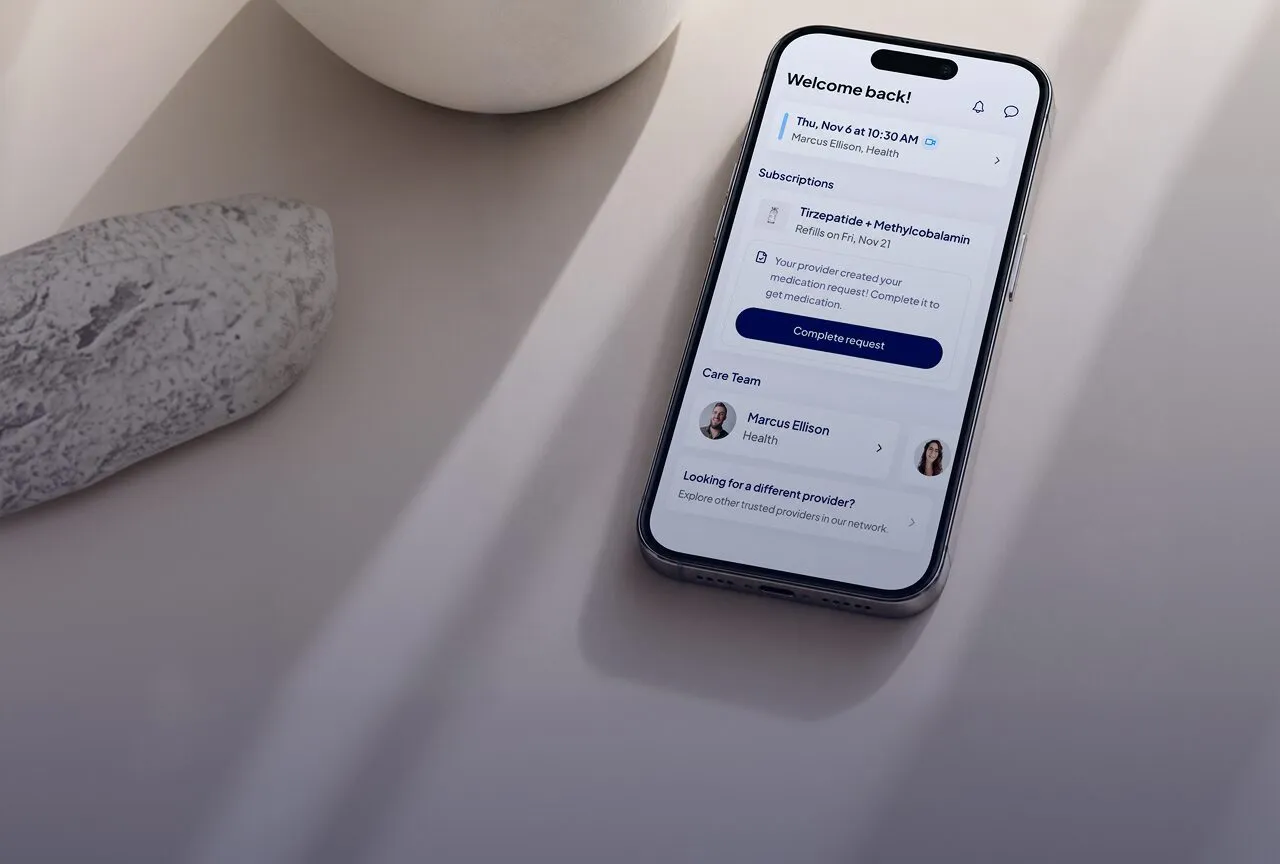
Mochi can connect you to a board-certified provider licensed in your state who can talk through which evidence-based options fit your goals.
The Bottom Line
KPV is one of the more scientifically interesting small peptides out there. The mouse colitis data are real and impressive, and the PepT1 targeting mechanism is a legitimate scientific hook. But no human trial has confirmed any benefit, its side-effect profile is uncharacterized, and it is not FDA-approved, with a compounding status that is still in motion as of August 2026.
If gut inflammation, skin flares, or recovery are what brought you here, you do not have to wait on an unproven compound to get help. A licensed provider can point you toward treatments with actual human evidence behind them, and providers who work with Mochi can evaluate whether longevity and wellness options that are legally accessible today make sense for you. Check your eligibility to start that conversation.
FAQs
What is KPV peptide used for?
KPV is studied, not approved, for inflammatory conditions. The strongest research is in animal models of gut inflammation, where oral KPV reduced colitis severity in mice. It is also promoted for inflammatory skin conditions and wound healing, though those uses rest on older lab data rather than human trials.
What are to be believed the side effects of KPV?
No completed human trials means no characterized side-effect profile; most safety data comes from short animal studies. Mild effects on animals have included injection-site reactions, stomach upset, or skin irritation are the most commonly expected, and product purity is a real risk with unregulated sources.
Is KPV peptide legal in the US?
KPV is not FDA-approved. In 2026 it was removed from the FDA's Category 2 compounding list and an advisory committee voted 8 to 6 to recommend it for the 503A Bulks List, but that recommendation is non-binding and the FDA has not finalized it. As of August 2026, KPV is not reliably available through licensed US pharmacies.
KPV vs BPC-157: what is the difference?
KPV is a 3-amino-acid fragment of alpha-MSH studied mainly for calming inflammation, while BPC-157 is a 15-amino-acid gastric peptide studied mainly for tissue repair. Both have extensive animal data, minimal human data, and unsettled 2026 US compounding status. Neither is FDA-approved.
Disclaimer: This article is for educational purposes only and should not be considered medical advice. The information provided does not constitute recommendations for treatment. Always consult with your healthcare provider about your specific situation, symptoms, and treatment options.
Share this post
Resources
More articles