All articles

TB-500 Peptide: What the Research Says

Reading time:

4 mins

Published on

Updated on

Content

Ready to transform your health?

Ready to transform your health?

Get expert guidance and a personalized care plan designed around you.

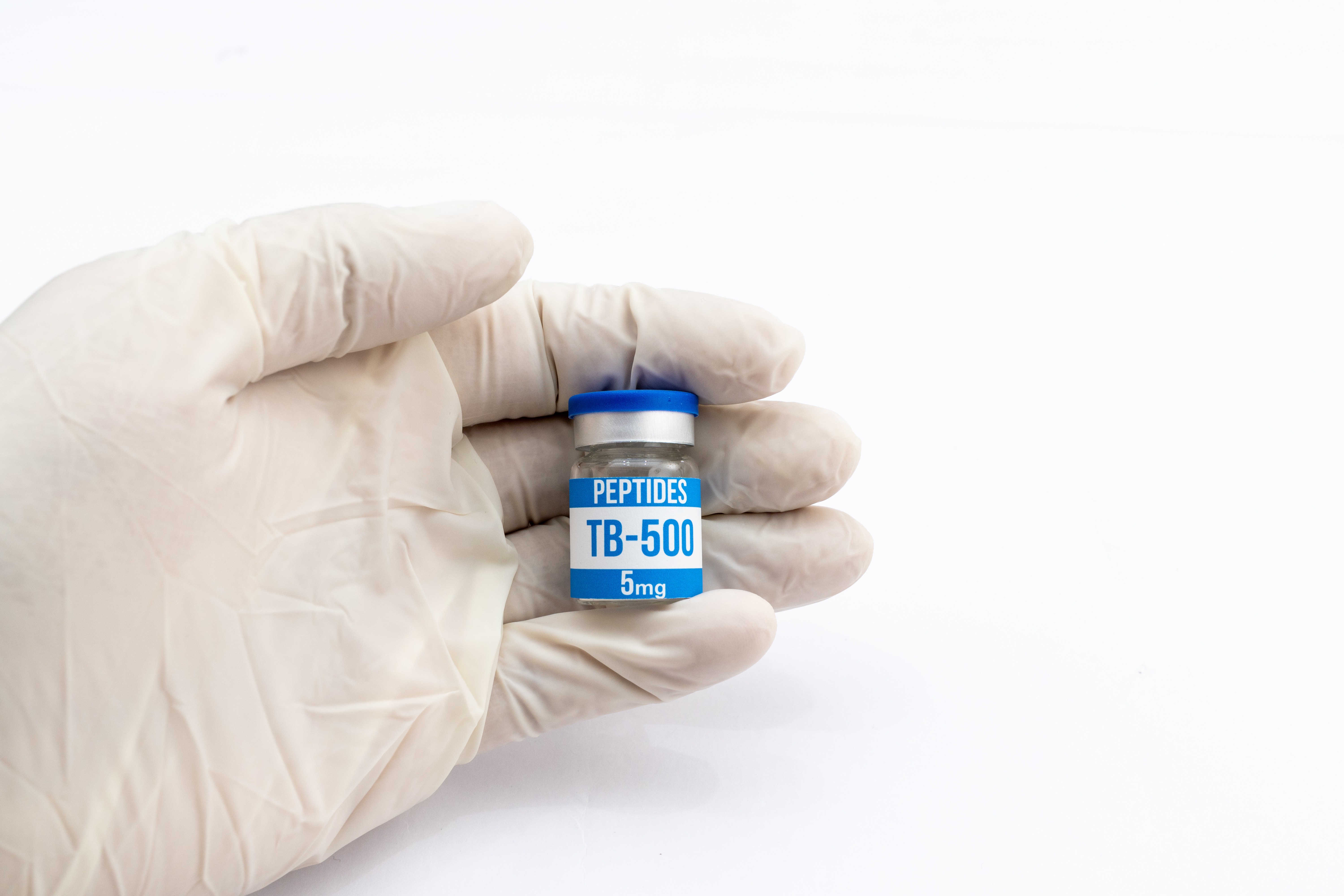
Whether you are managing an injury or simply trying to recover more quickly between intense workouts, you have likely heard about TB-500. Derived from a natural peptide called thymosin beta-4, TB-500 is an investigational synthetic compound that has been studied in the lab and in animals for its potential role in tissue repair (1).

While TB-500 is not FDA-approved, the FDA's Pharmacy Compounding Advisory Committee voted 8-6, against the recommendation of FDA staff, in July 2026 to recommend allowing licensed compounding pharmacies to produce it. It's important to note that this is still just a recommendation and is not binding. The FDA has not issued a final rule adding TB-500 to the 503A bulk drug substances list, so it is not currently eligible for compounding (2,3).

Read on to explore how TB-500 works, what the research shows, and where its regulatory status stands.

Whether you are managing an injury or simply trying to recover more quickly between intense workouts, you have likely heard about TB-500. Derived from a natural peptide called thymosin beta-4, TB-500 is an investigational synthetic compound that has been studied in the lab and in animals for its potential role in tissue repair (1).

While TB-500 is not FDA-approved, the FDA's Pharmacy Compounding Advisory Committee voted 8-6, against the recommendation of FDA staff, in July 2026 to recommend allowing licensed compounding pharmacies to produce it. It's important to note that this is still just a recommendation and is not binding. The FDA has not issued a final rule adding TB-500 to the 503A bulk drug substances list, so it is not currently eligible for compounding (2,3).

Read on to explore how TB-500 works, what the research shows, and where its regulatory status stands.

What is TB-500

TB-500 is a synthetic peptide that is derived from thymosin beta-4, a naturally occurring 43-amino-acid protein found in almost every cell in the human body. Essentially, TB-500 is a shorter segment of thymosin beta-4 and it reflects its active "actin-binding" region (4). While large-scale human clinical trials specifically evaluating commercial TB-500 are still lacking (1), early animal and preliminary human studies on thymosin beta-4 have reported effects in specific settings. In lab and animal studies, thymosin beta-4 has been associated with the following:

Cell Migration and Tissue Repair: May help repair skin wounds, corneal injuries, and skin ulcers by promoting cell migration to the site of injury (5, 6).

New Blood Vessel Formation: May encourage the formation of new blood vessels to supply oxygen and nutrients to injured areas (4, 7).

Managing Inflammation: May downregulate pro-inflammatory signals to minimize secondary tissue damage (4,5,8).

Scar Reduction: May help decrease scar tissue formation during recovery (5).

Tissue Protection: May support the healing of cardiac or neural tissue following trauma or reduced blood flow events, such as stroke or heart attack (5, 9, 10).

TB-500 itself has not been studied in humans for safety or effectiveness. Most human research to date has focused on its parent compound, thymosin beta-4, and its topical applications for skin and corneal conditions (11). Currently, TB-500 is not approved by the FDA and remains an experimental substance that is not currently eligible for compounding (12).

What is TB-500

TB-500 is a synthetic peptide that is derived from thymosin beta-4, a naturally occurring 43-amino-acid protein found in almost every cell in the human body. Essentially, TB-500 is a shorter segment of thymosin beta-4 and it reflects its active "actin-binding" region (4). While large-scale human clinical trials specifically evaluating commercial TB-500 are still lacking (1), early animal and preliminary human studies on thymosin beta-4 have reported effects in specific settings. In lab and animal studies, thymosin beta-4 has been associated with the following:

Cell Migration and Tissue Repair: May help repair skin wounds, corneal injuries, and skin ulcers by promoting cell migration to the site of injury (5, 6).

New Blood Vessel Formation: May encourage the formation of new blood vessels to supply oxygen and nutrients to injured areas (4, 7).

Managing Inflammation: May downregulate pro-inflammatory signals to minimize secondary tissue damage (4,5,8).

Scar Reduction: May help decrease scar tissue formation during recovery (5).

Tissue Protection: May support the healing of cardiac or neural tissue following trauma or reduced blood flow events, such as stroke or heart attack (5, 9, 10).

TB-500 itself has not been studied in humans for safety or effectiveness. Most human research to date has focused on its parent compound, thymosin beta-4, and its topical applications for skin and corneal conditions (11). Currently, TB-500 is not approved by the FDA and remains an experimental substance that is not currently eligible for compounding (12).

How does TB-500 Work

Despite limited clinical research on the safety and effectiveness of TB-500, understanding how it could work starts with looking at its full-length natural protein: thymosin Beta-4. Your body produces thymosin beta-4 whenever an injury occurs, and researchers believe that the following process occurs (5):

The Alert: Whenever tissue damage occurs, your body produces an alert. Blood clotting fragments called platelets instantly release thymosin beta-4 into the area, while immune cells like macrophages release even more as they arrive. The thymosin beta-4 helps protect nearby cells from further stress and prepare the surrounding area for repair.

The Repair: Now, active repair cells (like immune cleanup cells and collagen-building fibroblasts) need to actively move through the surrounding tissue to reach the exact spot of the injury. To move, these cells rely on an internal skeleton made of a protein called actin. Essentially, actin is in two forms including G-actin and F-actin (13). G-Actin are the free-floating “bricks” waiting inside the cell, while F-actin are long, connected chains of G-actin that bind together to form a rigid structural frame.

Thymosin Beta-4 as a G-actin Protector: This is where thymosin beta-4 is important. Essentially, it binds to the loose G actin fragments so they don't lock into F-actin prematurely while traveling. By holding a large number of loose building blocks in reserve, thymosin beta-4 lets the cell rapidly disassemble, rebuild its internal frame, and hence, move smoothly through the tissue and into the target site (14).

F-Actin as the Anchor: Once cells reach the site of damage, they rely on the F-actin frame. F actin provides the structural support the cell needs to hold its shape, anchor itself in place, and perform tasks like contracting muscle tissue or sealing up a wound. Without functional F-actin chains, the newly arrived repair cells wouldn't have the strength or structure to work properly (15).

Besides the mobilization of cells, thymosin beta-4 has a few other roles including:

Increasing stem cell production: Thymosin beta-4 has been shown in animal and lab studies to mobilize stem cells, which may help direct vascular cells, muscle cells, and skin cells toward damaged soft tissue (16,17).

Blood vessel formation: Thymosin beta-4 has been shown in lab studies to increase production of vascular growth factor and activates proper cell migration to promote small blood vessel growth (delivers oxygen and nutrients to damaged tissue) (18).

Decreasing inflammation: Thymosin beta-4 has been shown in corneal cell studies to inhibit an inflammatory compound called NF-kB, which may help reduce inflammation and lower the risk of excessive scar formation (5,19)

It’s worth noting that TB-500 is a shortened, synthetic version of thymosin beta-4. Because it contains fewer amino acids and has a slightly different chemical structure, it may not act exactly the same way in your body as natural thymosin beta-4. Because TB-500 hasn’t been thoroughly researched as a direct treatment, its full effects and long-term safety aren't completely understood yet. If TB-500 is added to the 503A bulks list and you are wondering if you should take TB-500, it is best to proceed with caution and consult closely with your healthcare provider to weigh the risks and benefits.

How does TB-500 Work

Despite limited clinical research on the safety and effectiveness of TB-500, understanding how it could work starts with looking at its full-length natural protein: thymosin Beta-4. Your body produces thymosin beta-4 whenever an injury occurs, and researchers believe that the following process occurs (5):

The Alert: Whenever tissue damage occurs, your body produces an alert. Blood clotting fragments called platelets instantly release thymosin beta-4 into the area, while immune cells like macrophages release even more as they arrive. The thymosin beta-4 helps protect nearby cells from further stress and prepare the surrounding area for repair.

The Repair: Now, active repair cells (like immune cleanup cells and collagen-building fibroblasts) need to actively move through the surrounding tissue to reach the exact spot of the injury. To move, these cells rely on an internal skeleton made of a protein called actin. Essentially, actin is in two forms including G-actin and F-actin (13). G-Actin are the free-floating “bricks” waiting inside the cell, while F-actin are long, connected chains of G-actin that bind together to form a rigid structural frame.

Thymosin Beta-4 as a G-actin Protector: This is where thymosin beta-4 is important. Essentially, it binds to the loose G actin fragments so they don't lock into F-actin prematurely while traveling. By holding a large number of loose building blocks in reserve, thymosin beta-4 lets the cell rapidly disassemble, rebuild its internal frame, and hence, move smoothly through the tissue and into the target site (14).

F-Actin as the Anchor: Once cells reach the site of damage, they rely on the F-actin frame. F actin provides the structural support the cell needs to hold its shape, anchor itself in place, and perform tasks like contracting muscle tissue or sealing up a wound. Without functional F-actin chains, the newly arrived repair cells wouldn't have the strength or structure to work properly (15).

Besides the mobilization of cells, thymosin beta-4 has a few other roles including:

Increasing stem cell production: Thymosin beta-4 has been shown in animal and lab studies to mobilize stem cells, which may help direct vascular cells, muscle cells, and skin cells toward damaged soft tissue (16,17).

Blood vessel formation: Thymosin beta-4 has been shown in lab studies to increase production of vascular growth factor and activates proper cell migration to promote small blood vessel growth (delivers oxygen and nutrients to damaged tissue) (18).

Decreasing inflammation: Thymosin beta-4 has been shown in corneal cell studies to inhibit an inflammatory compound called NF-kB, which may help reduce inflammation and lower the risk of excessive scar formation (5,19)

It’s worth noting that TB-500 is a shortened, synthetic version of thymosin beta-4. Because it contains fewer amino acids and has a slightly different chemical structure, it may not act exactly the same way in your body as natural thymosin beta-4. Because TB-500 hasn’t been thoroughly researched as a direct treatment, its full effects and long-term safety aren't completely understood yet. If TB-500 is added to the 503A bulks list and you are wondering if you should take TB-500, it is best to proceed with caution and consult closely with your healthcare provider to weigh the risks and benefits.

What the Research Shows

There are no human studies on TB-500, but research has looked at the full-length protein, thymosin beta-4, for human use.

While thymosin beta-4 is still not yet FDA-approved for commercial use, human studies have progressed through clinical trials for specific medical conditions, including:

Eye diseases: A synthetic form of thymosin beta-4 was formulated in an eye drop called RGN-259. There have been clinical trials to evaluate this eye drop for severe dry eye disease and a type of degenerative cornea disease called neurotrophic keratopathy (20, 21, 22).

Wound Healing: Because thymosin beta-4 helps with cell migration and blood vessel formation, research has also looked into topical formulations of thymosin beta-4 for skin wound healing (24, 25). In an older study in rats, researchers reported that thymosin beta-4 improved wound closure speed by up to 61% within 4 to 7 days. The authors linked this to increased skin cell migration and new blood vessel growth (26). Similarly, in a small study of patients with chronic skin ulcers, topical thymosin beta- 4 was reported to speed up full healing by nearly a month compared to standard care, with no serious safety concerns reported (25).

Cardiovascular Health: To potentially improve heart health, thymosin beta-4 would have to be administered intravenously and also be known safe. In 2010, researchers conducted a clinical trial that evaluated single and increasing intravenous doses of synthetic thymosin beta-4 in healthy human volunteers. The volunteers tolerated thymosin beta-4 well and did not have any serious adverse effects (27). Building on this, animal and limited human studies have reported improved cardiac outcomes with thymosin beta-4 after heart attacks (28, 29), but more research is needed.

Musculoskeletal Conditions/Performance Enhancement: There has been widespread interest in the use of TB-500 for athletic performance and musculoskeletal repair. Unfortunately, even though the World Anti-Doping Agency prohibits the use of TB-500 and thymosin beta-4 (30), there have truly been no human studies to back up the safety and benefits of TB-500 or thymosin beta-4 for musculoskeletal conditions (11).

What the Research Shows

There are no human studies on TB-500, but research has looked at the full-length protein, thymosin beta-4, for human use.

While thymosin beta-4 is still not yet FDA-approved for commercial use, human studies have progressed through clinical trials for specific medical conditions, including:

Eye diseases: A synthetic form of thymosin beta-4 was formulated in an eye drop called RGN-259. There have been clinical trials to evaluate this eye drop for severe dry eye disease and a type of degenerative cornea disease called neurotrophic keratopathy (20, 21, 22).

Wound Healing: Because thymosin beta-4 helps with cell migration and blood vessel formation, research has also looked into topical formulations of thymosin beta-4 for skin wound healing (24, 25). In an older study in rats, researchers reported that thymosin beta-4 improved wound closure speed by up to 61% within 4 to 7 days. The authors linked this to increased skin cell migration and new blood vessel growth (26). Similarly, in a small study of patients with chronic skin ulcers, topical thymosin beta- 4 was reported to speed up full healing by nearly a month compared to standard care, with no serious safety concerns reported (25).

Cardiovascular Health: To potentially improve heart health, thymosin beta-4 would have to be administered intravenously and also be known safe. In 2010, researchers conducted a clinical trial that evaluated single and increasing intravenous doses of synthetic thymosin beta-4 in healthy human volunteers. The volunteers tolerated thymosin beta-4 well and did not have any serious adverse effects (27). Building on this, animal and limited human studies have reported improved cardiac outcomes with thymosin beta-4 after heart attacks (28, 29), but more research is needed.

Musculoskeletal Conditions/Performance Enhancement: There has been widespread interest in the use of TB-500 for athletic performance and musculoskeletal repair. Unfortunately, even though the World Anti-Doping Agency prohibits the use of TB-500 and thymosin beta-4 (30), there have truly been no human studies to back up the safety and benefits of TB-500 or thymosin beta-4 for musculoskeletal conditions (11).

TB-500 Safety: Key Considerations

In general, most reviews in the literature note that there are legal and clinical limits to TB-500, and if you are interested in pursuing this as an experimental treatment, you should make note that while topical thymosin beta-4 seems a promising treatment for certain eye conditions, there is no solid evidence yet that ingesting or injecting TB-500 is effective nor safe for any conditions (11).

Finally, you may be a little confused about the FDA and their recent advisory vote. Essentially the FDA has NOT approved TB-500 for human use. An advisory panel recently voted to recommend placing TB-500 on the 503A Bulk Drug Substances list, but the FDA as a whole has not issued a final rule (31). Thus, TB-500 remains experimental and unapproved, and it is not currently eligible for compounding. FDA staff reviewed TB-500 and recommended against listing it, citing limited human data and quality concerns (2). And, even if the FDA allows compounding of TB-500 to occur, it is not an endorsement of the drug’s safety. Rather, the FDA is saying that the medication may be legally prescribed by providers and pharmacies can produce it, but it is not a stamp of approval for safety or efficacy (32).

Like any medication, you should carefully consider the amount of human research available for any peptide and closely examine its safety profile. Peptides do not provide a magic formula for healing, nor can they replace a foundational healthy lifestyle, including proper nutrition, regular physical activity, active stress management, and adequate sleep.


Always consult a qualified healthcare provider before considering peptide based therapies.

This article is for informational purposes only and does not constitute medical advice. Always consult with a qualified healthcare provider before starting, stopping, or changing any medication or treatment plan. Compounded medications are not approved or evaluated by the FDA for safety, effectiveness, or quality. TB-500 is not FDA-approved and is not currently eligible for compounding.

References

1. Rahman, O. F., Lee, S. J., & Seeds, W. A. (2026). Therapeutic Peptides in Orthopaedics: Applications, Challenges, and Future Directions. JAAOS: Global Research and Reviews, 10(1). https://pmc.ncbi.nlm.nih.gov/articles/PMC12753158/.

2. Jacobus, N. (2026, July 24). FDA Panel Votes to Loosen Restrictions for Four Peptides. Pharmexec.Com; PharmExec. https://www.pharmexec.com/view/fda-votes-loosen-restrictions-four-peptides

3. Lash, M. (2026). Pharmacy Compounding Advisory Committee Meeting FDA Introductory Remarks. https://www.fda.gov/media/193773/download

4. Sosne, G., Qiu, P., Goldstein, A. L., & Wheater, M. (2010). Biological activities of thymosin ß 4 defined by active sites in short peptide sequences. The FASEB Journal, 24(7), 2144–2151. https://doi.org/10.1096/fj.09-142307

5. Goldstein, A. L., Hannappel, E., Sosne, G., & Kleinman, H. K. (2011). Thymosin β4: a multi-functional regenerative peptide. Basic properties and clinical applications. Expert Opinion on Biological Therapy, 12(1), 37–51. https://doi.org/10.1517/14712598.2012.634793

6. Sosne, G., Qiu, P., & Kurpakus-Wheater, M. (2007). Thymosin beta 4: A novel corneal wound healing and anti-inflammatory agent. Clinical Ophthalmology (Auckland, N.Z.), 1(3), 201. https://pmc.ncbi.nlm.nih.gov/articles/PMC2701135/

7. Philp, D., Huff, T., Gho, Y. S., Hannappel, E., & Kleinman, H. K. (2003). The actin binding site on thymosin β4promotes angiogenesis. The FASEB Journal, 17(14), 1–13. https://doi.org/10.1096/fj.03-0121fje

8. Shah, R., Reyes-Gordillo, K., Cheng, Y., Varatharajalu, R., Ibrahim, J., & Lakshman, M. R. (2018). Thymosin β4 Prevents Oxidative Stress, Inflammation, and Fibrosis in Ethanol- and LPS-Induced Liver Injury in Mice. Oxidative Medicine and Cellular Longevity, 2018, 1–12. https://doi.org/10.1155/2018/9630175

9. Ildiko Bock-Marquette, Maar, K., Maar, S., Balint Lippai, Gabor Faskerti, Ferenc Gallyas, Olson, E. N., & Srivastava, D. (2023). Thymosin beta-4 denotes new directions towards developing prosperous anti-aging regenerative therapies. International Immunopharmacology, 116, 109741–109741. https://doi.org/10.1016/j.intimp.2023.109741

10. Chopp, M., & Zhang, Z. G. (2015). Thymosin β4 as a restorative/regenerative therapy for neurological injury and neurodegenerative diseases. Expert Opinion on Biological Therapy, 15(sup1), 9–12. https://doi.org/10.1517/14712598.2015.1005596

11. McGuire, F., Hughes, E., Maak, T., & Cushman, D. M. (2026). Thymosin Beta-4 and TB-500 in Tissue Healing, Regeneration, and Musculoskeletal Repair: A Scoping Review. Applied Sciences, 16(12), 6202. https://doi.org/10.3390/app16126202

12. Hailu, K. T., Abriha, F. N., Duguma, Y. M., Haddad, R. R., Liyew, T., & Kasagga, A. (2026). Unregulated Peptide Use in the Age of Biohacking: Digital Promotion, Gray-Market Access, and Emerging Public Health Risks. In Cureus (Vol. 18, Issue 6, p. e110657). PubMed Central. https://doi.org/10.7759/cureus.110657

13. Carlier, M.-F., & Pantaloni, D. (1997). Control of actin dynamics in cell motility. Edited by N.-H. Chua. Journal of Molecular Biology, 269(4), 459–467. https://doi.org/10.1006/jmbi.1997.1062

14. Xue, B., Leyrat, C., Grimes, J. M., & Robinson, R. C. (2014). Structural basis of thymosin-β4/profilin exchange leading to actin filament polymerization. In Proceedings of the National Academy of Sciences of the United States of America (Vol. 111, Issue 43, pp. E4596-605). PubMed Central. https://doi.org/10.1073/pnas.1412271111

15. Alonso-Matilla, R., Provenzano, P. P., & Odde, D. J. (2025). Physical principles and mechanisms of cell migration. Npj Biological Physics and Mechanics., 2(1). https://doi.org/10.1038/s44341-024-00008-w

16. Smart, N., Risebro, C. A., Melville, A. A. D, Moses, K., Schwartz, R. J., Chien, K. R., & Riley, P. R. (2007). Thymosin beta4 induces adult epicardial progenitor mobilization and neovascularization. In Nature (Vol. 445, Issue 7124, pp. 177–182). PubMed. https://doi.org/10.1038/nature05383

17. Philp, D., Nguyen, M., Scheremeta, B., St-Surin, S., Villa, A. M., Orgel, A., Kleinman, H. K., & Elkin, M. (2004). Thymosin beta4 increases hair growth by activation of hair follicle stem cells. In FASEB journal : official publication of the Federation of American Societies for Experimental Biology (Vol. 18, Issue 2, pp. 385–387). PubMed. https://doi.org/10.1096/fj.03-0244fje

18. Zhao, Y., Song, J., Bi, X., Gao, J., Shen, Z., Zhu, J., & Fu, G. (2018). Thymosin β4 promotes endothelial progenitor cell angiogenesis via a vascular endothelial growth factor‑dependent mechanism. Molecular Medicine Reports. https://doi.org/10.3892/mmr.2018.9199

19. Sosne, G., Qiu, P., Christopherson, P. L., & Wheater, M. K. (2007). Thymosin beta 4 suppression of corneal NFkappaB: a potential anti-inflammatory pathway. In Experimental eye research (Vol. 84, Issue 4, pp. 663–669). PubMed. https://doi.org/10.1016/j.exer.2006.12.004

20. Mclaughlin, J., Sosne, G., & Ousler, G. (2015). Thymosin beta 4 ophthalmic solution for dry eye: a randomized, placebo-controlled, Phase II clinical trial conducted using the controlled adverse environment (CAETM) model. Clinical Ophthalmology, 877. https://doi.org/10.2147/opth.s80954

21. Sosne, G., Dunn, S. P., & Kim, C. (2015). Thymosin β4 Significantly Improves Signs and Symptoms of Severe Dry Eye in a Phase 2 Randomized Trial. Cornea, 34(5), 491–496. https://doi.org/10.1097/ico.0000000000000379

22. Sosne, G., Kleinman, H. K., Springs, C., Gross, R. H., Sung, J., & Kang, S. (2022). 0.1% RGN-259 (Thymosin ß4) Ophthalmic Solution Promotes Healing and Improves Comfort in Neurotrophic Keratopathy Patients in a Randomized, Placebo-Controlled, Double-Masked Phase III Clinical Trial. In International journal of molecular sciences (Vol. 24, Issue 1, p. 554). PubMed Central. https://doi.org/10.3390/ijms24010554

23. Superpower. (2026, April 18). Thymosin Beta-4: What It Is and What the Research Shows. Superpower. https://superpower.com/guides/peptides/thymosin-beta-4

24. Kleinman, H. K., & Sosne, G. (2016). Thymosin β4 Promotes Dermal Healing. Vitamins and Hormones, 251–275. https://doi.org/10.1016/bs.vh.2016.04.005

25. Treadwell, T., Kleinman, H. K., Crockford, D., Hardy, M. A., Guarnera, G. T., & Goldstein, A. L. (2012). The regenerative peptide thymosin β4 accelerates the rate of dermal healing in preclinical animal models and in patients. Annals of the New York Academy of Sciences, 1270, 37–44. https://doi.org/10.1111/j.1749-6632.2012.06717.x

26. Malinda, K. M., Kleinman, H. K., Sidhu, G. S., Mani, H., Banaudha, K., Maheshwari, R. K., & Goldstein, A. L. (1999). Thymosin β4 Accelerates Wound Healing. Journal of Investigative Dermatology, 113(3), 364–368. https://doi.org/10.1046/j.1523-1747.1999.00708.x

27. Ruff, D., Crockford, D., Girardi, G., & Zhang, Y. (2010). A randomized, placebo-controlled, single and multiple dose study of intravenous thymosin beta4 in healthy volunteers. In Annals of the New York Academy of Sciences (Vol. 1194, pp. 223–229). PubMed. https://doi.org/10.1111/j.1749-6632.2010.05474.x

28. Zhang, Y., Dong, Q., Bian, X., Qiao, Z., Cui, C., Yang, N., Liu, J., Fu, R., Zhang, J., Jia, L., Wu, C., Guo, J., Lin, W., Wang, J., Fan, J., Li, Y., Liu, F., Yang, B., Jia, X., … Dou, K. (2025). Recombinant human thymosin beta 4 improves ischemic cardiac dysfunction in mice and patients with acute ST-segment elevation myocardial infarction after reperfusion. In Cardiovascular research (Vol. 121, Issue 17, pp. 2747–2758). PubMed. https://doi.org/10.1093/cvr/cvaf223

29. Bock-Marquette, I., Saxena, A., White, M. D., Michael DiMaio, J., & Srivastava, D. (2004). Thymosin β4 activates integrin-linked kinase and promotes cardiac cell migration, survival and cardiac repair. Nature, 432(7016), 466–472. https://doi.org/10.1038/nature03000

30. Thymosin Beta-4 Peptide Hormone Information | Sport Integrity. (2026). Sportintegrity.Gov.Au. https://www.sportintegrity.gov.au/what-we-do/anti-doping/substance-education/thymosin-beta-4

31. Jacobus, N. (2026, July 24). FDA Panel Votes to Loosen Restrictions for Four Peptides. Pharmexec.Com; PharmExec. https://www.pharmexec.com/view/fda-votes-loosen-restrictions-four-peptides

32. Rendall, J., & Wolters, C. (2026, May 20). An FDA Panel Voted To Ease Restrictions On Six Peptides—What To Know. https://www.forbes.com/health/weight-loss/fda-ease-peptide-restrictions-lmandp5/

Follow us

All professional medical services are provided by licensed physicians and clinicians affiliated with independently owned and operated professional practices. Mochi Health Corp. provides administrative and technology services to affiliated medical practices it supports, and does not provide any professional medical services itself.

Follow us

All professional medical services are provided by licensed physicians and clinicians affiliated with independently owned and operated professional practices. Mochi Health Corp. provides administrative and technology services to affiliated medical practices it supports, and does not provide any professional medical services itself.

Follow us

All professional medical services are provided by licensed physicians and clinicians affiliated with independently owned and operated professional practices. Mochi Health Corp. provides administrative and technology services to affiliated medical practices it supports, and does not provide any professional medical services itself.