Ready to transform your health?
Unlock access to expert guidance and a weight care plan crafted just for you.
Similar Articles
Similar Articles
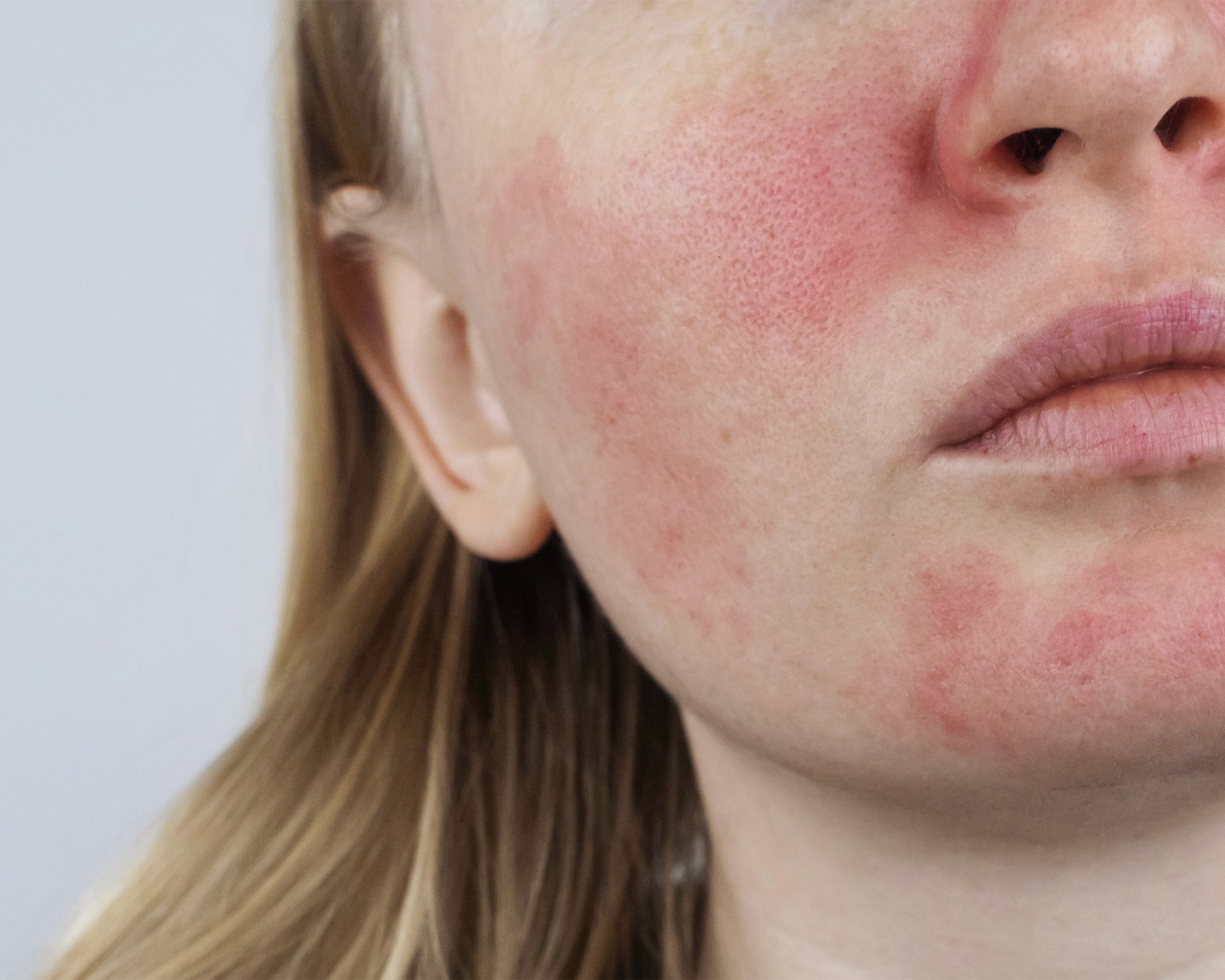
Tranexamic Acid for Rosacea: What the Research Says
Tranexamic Acid for Rosacea: What the Research Says
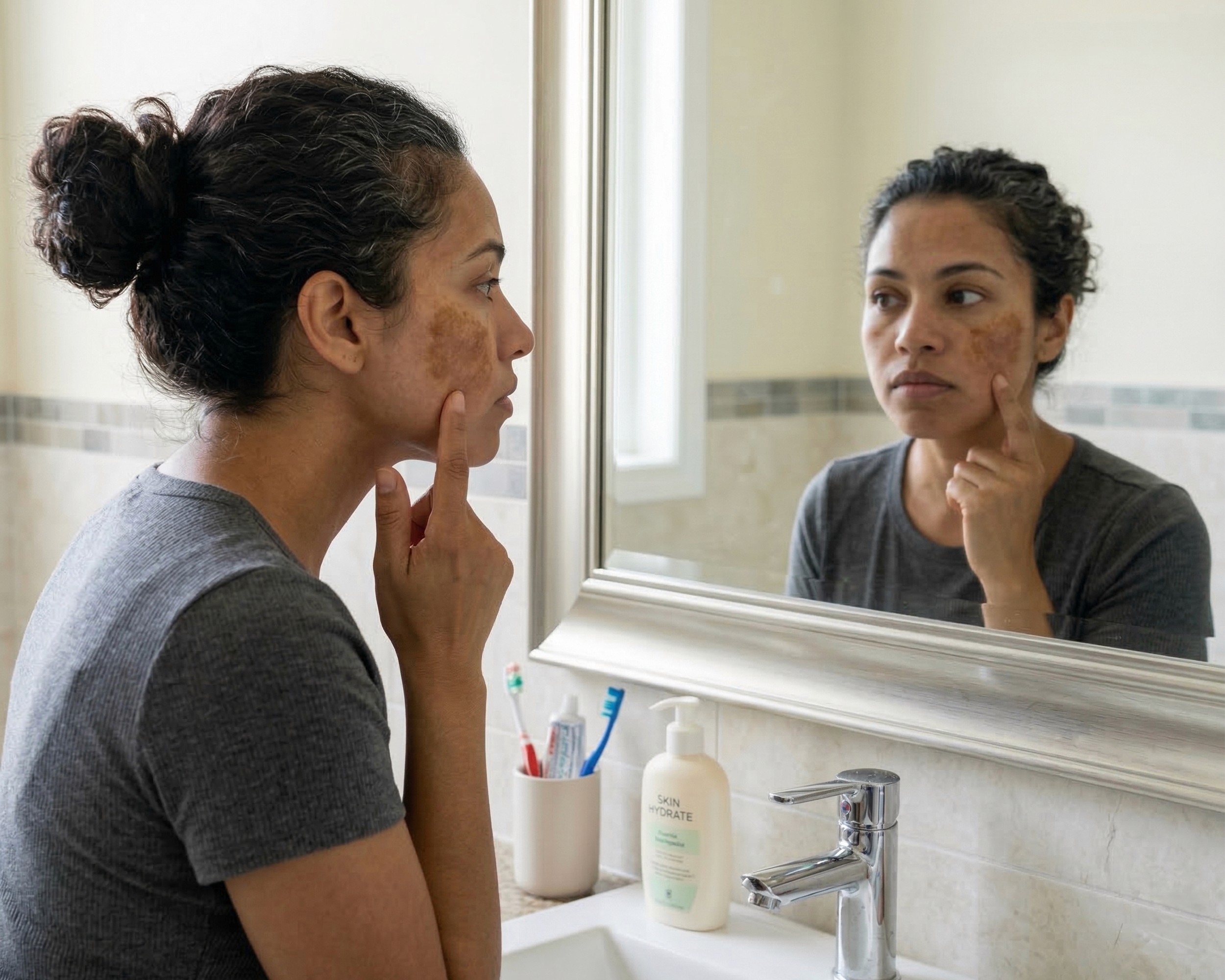
What Is Melasma and How to Treat It?
What Is Melasma and How to Treat It?
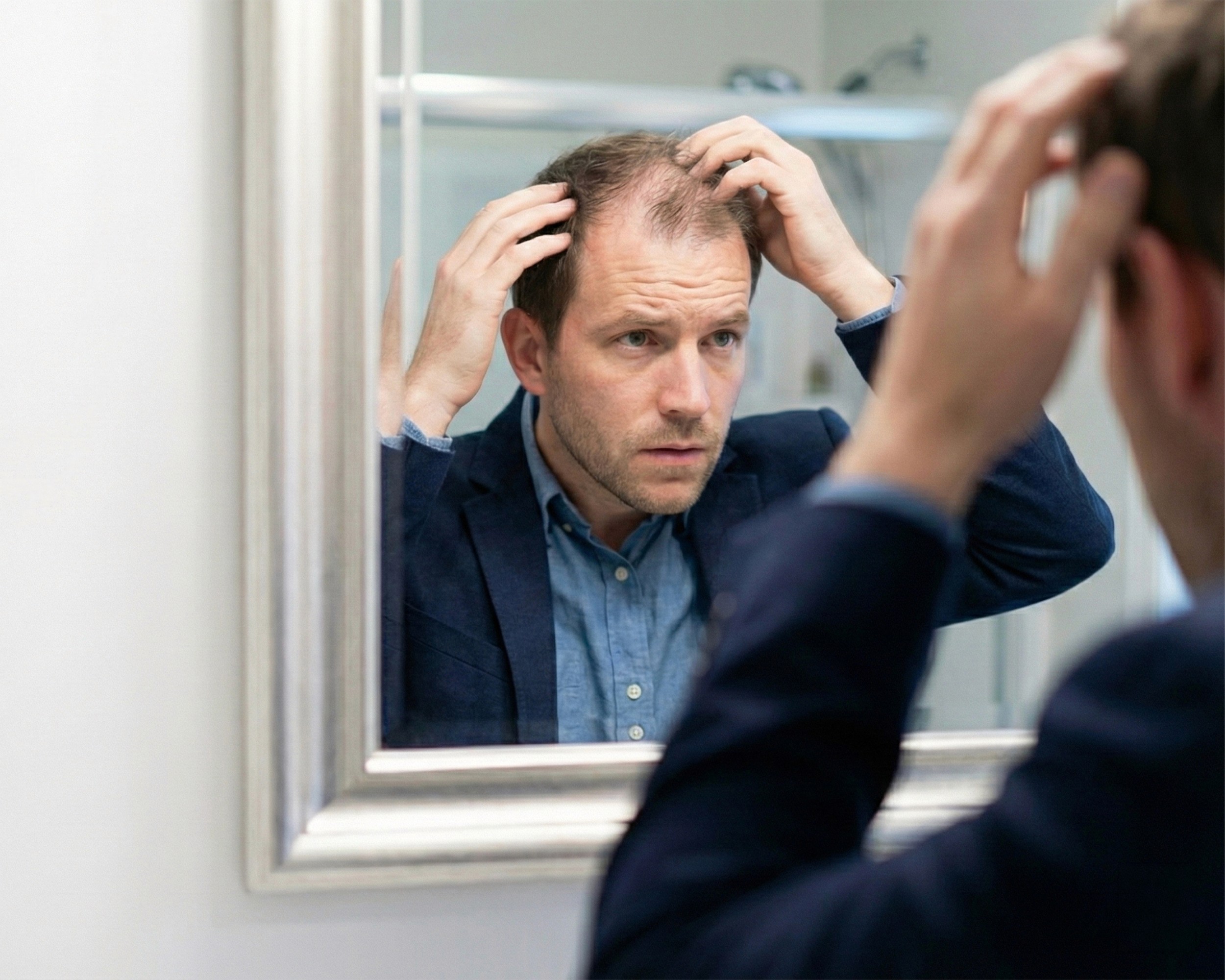
Oral Minoxidil vs. Topical Minoxidil for Male Pattern Hair Loss
Oral Minoxidil vs. Topical Minoxidil for Male Pattern Hair Loss
Eflornithine Cream (Vaniqa) for Facial Hair Removal
Eflornithine Cream (Vaniqa) for Facial Hair Removal
Learn about eflornithine cream (Vaniqa) for facial hair removal, side effects, before and after results, and how it works with laser hair removal.
Learn about eflornithine cream (Vaniqa) for facial hair removal, side effects, before and after results, and how it works with laser hair removal.

Table of Contents
Table of Contents
Key Takeaways
What Is Eflornithine Cream?
How Does Eflornithine Cream Slow Facial Hair Growth?
Eflornithine Cream Before and After: What Results to Expect
Does Eflornithine Work Better with Laser Hair Removal?
What Are the Side Effects of Eflornithine Cream?
Who Should Not Use Eflornithine Cream?
How Much Does Eflornithine Cream Cost Through Mochi?
How to Get Eflornithine Cream
FAQs
Check Your Eligibility
Key Takeaways
What Is Eflornithine Cream?
How Does Eflornithine Cream Slow Facial Hair Growth?
Eflornithine Cream Before and After: What Results to Expect
Does Eflornithine Work Better with Laser Hair Removal?
What Are the Side Effects of Eflornithine Cream?
Who Should Not Use Eflornithine Cream?
How Much Does Eflornithine Cream Cost Through Mochi?
How to Get Eflornithine Cream
FAQs
Check Your Eligibility
Key Takeaways
Eflornithine cream slows unwanted facial hair growth by blocking an enzyme called ornithine decarboxylase (ODC) in hair follicles, but it does not remove existing hair.
In clinical trials, 58% of women saw noticeable improvement after 24 weeks, compared to 34% with placebo.
Results typically become visible within 8 weeks, and if no improvement is seen after 6 months of consistent use, talk to your provider about alternatives.
Combining eflornithine with laser hair removal leads to complete or near-complete hair removal in 93.5% of cases, compared to 67.9% with laser alone.
Side effects are generally mild. Acne (up to 21%) and minor skin irritation are most common, and only 2% of users stop treatment because of side effects.
Eflornithine cream works. In clinical trials, it slowed the growth of unwanted facial hair in up to 60% of women (1, 2). It won't remove hair permanently, and it requires consistent twice-daily application, but for women dealing with excess facial hair, it is one of the few topical prescription treatments that actually does what it claims.
In clinical practice, I usually frame this as a “hair growth reducer,” not a hair removal treatment, so expectations are clear from the start.
The cream works by interfering with an enzyme your hair follicles need to grow. Over time, the hair comes in slower and finer where you apply it. This makes it a useful option for women with hirsutism (excess facial hair), including those affected by polycystic ovary syndrome (PCOS), and it appears to work regardless of whether the hair growth is hereditary or caused by a hormonal condition (1).
What Is Eflornithine Cream?
Eflornithine hydrochloride 13.9% cream is a prescription treatment that slows unwanted facial hair growth in women. The FDA approved it in August 2000 under the brand name Vaniqa for use in women 12 years of age and older (1).
You apply it twice a day to the areas where you want to slow hair growth, with at least 8 hours between applications. It does not remove hair on its own, so you should continue whatever hair removal method you are already using (shaving, waxing, threading) alongside it. Over time, you should notice that hair grows back more slowly and finely between sessions.
The active ingredient was initially used to treat African sleeping sickness before researchers noticed it also slowed hair growth (1). Each tube typically contains 30 grams of cream at a 13.9% concentration.
How Does Eflornithine Cream Slow Facial Hair Growth?
Your hair follicles need specific proteins called polyamines to grow hair. An enzyme called ornithine decarboxylase (ODC) produces those polyamines. Eflornithine blocks ODC, which means the follicle can't make the proteins it needs, and hair growth slows down (1).
More specifically, ODC activity is what keeps your hair in its active growth phase (called the anagen phase). When eflornithine reduces ODC activity, the growth phase shortens, so hair grows more slowly and comes in finer (1).
The cream stays local to wherever you apply it. Less than 1% is absorbed into the body, so systemic side effects are unlikely (1).
This low systemic absorption is one of the reasons it’s generally well tolerated compared to oral hormonal treatments.
Eflornithine Cream Before and After: What Results to Expect
Eflornithine doesn't work overnight. Most people start seeing improvement around 8 weeks, though it can take longer. Continued consistent twice-daily use over several months may lead to further improvement (2).
In clinical trials, the numbers were encouraging. One study found that 58% of women using eflornithine showed noticeable improvement after 24 weeks, compared to 34% of women using a placebo cream (3). In a longer-term assessment, continued use beyond 24 weeks showed further improvement in many patients (3).
One thing to know: the results only last as long as you keep using it. About 8 weeks after stopping eflornithine, facial hair typically returns to how it was before treatment (2). This means it requires ongoing use, which is worth factoring in when thinking about cost.
In practice, this is one of the most important counseling points, because patients often assume results will be permanent.
Does Eflornithine Work Better with Laser Hair Removal?
Yes, and the data on this is strong. A randomized study found that combining eflornithine cream with laser hair removal produced complete or near-complete hair removal in 93.5% of treated areas, compared to 67.9% with laser alone (4).
The combination works because they target different parts of the problem. Laser destroys the hair follicle itself, while eflornithine slows regrowth in any follicles the laser doesn't fully disable. If you are already doing laser treatments, adding eflornithine can speed up your results and get you closer to full clearance (4).
For patients already investing in laser, adding eflornithine can improve outcomes and reduce the number of sessions needed.
What Are the Side Effects of Eflornithine Cream?
Side effects are generally mild and skin-related. The most common one is acne, reported in up to 21% of users. Other reported side effects include stinging, burning, tingling, dry skin, itching, redness, and ingrown hairs (5).
Most of these resolve on their own without needing to stop treatment. In clinical trials, only 2% of users discontinued because of side effects (3).
If irritation occurs, reducing frequency temporarily is often enough before considering stopping the medication.
Who Should Not Use Eflornithine Cream?
Eflornithine should not be used in anyone under 12 years of age. You should also avoid it if you are allergic to any of the ingredients in the cream (1).
The effects of eflornithine on pregnancy are not well studied. If you are pregnant or planning to become pregnant, talk to your healthcare provider before using it (1).
Because of limited pregnancy data, I generally recommend avoiding use unless clearly discussed with a provider.
How Much Does Eflornithine Cream Cost Through Mochi?
Pricing for compounded eflornithine cream through Mochi Health depends on the formulation and quantity your provider prescribes, and availability can vary by pharmacy and by state. To see current options and costs, you can compare pharmacy pricing directly from your Mochi account or speak with your provider, who can review the formulations available to you.
Because eflornithine requires ongoing use to maintain results, it's worth factoring in that costs continue as long as you stay on treatment.
Insurance coverage for eflornithine varies widely. Some plans may cover it, especially if prescribed for a documented medical condition like PCOS-related hirsutism. Others consider it cosmetic and do not cover it. Check with your insurance provider before filling your prescription.
How to Get Eflornithine Cream
The brand-name Vaniqa was discontinued by its manufacturer in early 2023. However, eflornithine is still available as a compounded formulation through licensed compounding pharmacies.
Through Mochi Health, the process is straightforward. You complete a consultation with an independent licensed provider on the platform. If your provider determines that eflornithine is appropriate for your situation, they can write a prescription, and the cream is shipped to you from a licensed compounding pharmacy. Eflornithine requires a prescription in the United States, so you cannot purchase it over the counter.
FAQs
How long does it take for eflornithine cream to work?
Most women start noticing improvement within 8 weeks. If you see no improvement after 6 months, talk to your provider about alternatives (2).
Does eflornithine permanently remove hair?
No. It slows growth but does not remove hair permanently. You will still need to continue your regular hair removal routine, though you may need to do it less often. Hair returns to its previous growth pattern about 8 weeks after stopping (2).
Can I use eflornithine with other skincare products?
Yes. Wait at least 4 hours after applying eflornithine before washing the treated area. Once the cream has dried (usually a few minutes), you can apply makeup or sunscreen over it. If you use another hair removal method, wait at least 5 minutes before applying eflornithine (1).
Is eflornithine available without a prescription?
No. Eflornithine requires a prescription from a licensed healthcare provider. Through Mochi Health, you can complete a consultation online and, if appropriate, receive a prescription for compounded eflornithine cream.
Can men use eflornithine cream?
Eflornithine was FDA-approved for use in women. Talk to a healthcare provider about whether off-label use makes sense for your situation (1).
What happens if I miss a dose?
Skip the missed dose and apply the next one on your normal schedule. Do not apply extra cream to make up for it as this will not speed up results and may increase irritation (1).
Check Your Eligibility
If you are dealing with unwanted facial hair and want guidance on treatment options, an independent licensed provider on Mochi Health's telehealth platform can help you determine if eflornithine or other treatments are right for your situation. Check your eligibility here.
Disclaimer: This article is for educational purposes only and should not be considered medical advice. The information provided does not constitute recommendations for treatment. Always consult with your healthcare provider about your specific situation, symptoms, and treatment options.
References
U.S. Food and Drug Administration. VANIQA (eflornithine hydrochloride) Cream, 13.9% Prescribing Information. FDA. 2000.
WebMD. Eflornithine topical (Vaniqa): Uses, Side Effects, Interactions. WebMD. Accessed 2026.
Skin Therapy Letter. Vaniqa – Eflornithine 13.9% Cream. Skin Therapy Lett. 2001;6(7):1-5.
Hamzavi I, Tan E, Shapiro J, Lui H. A randomized bilateral vehicle-controlled study of eflornithine cream combined with laser treatment versus laser treatment alone for facial hirsutism in women. J Am Acad Dermatol. 2007;57(1):54-59.
Drugs.com Vaniqa Side Effects: Common, Severe, Long Term. http://Drugs.com . 2026.
Key Takeaways
Eflornithine cream slows unwanted facial hair growth by blocking an enzyme called ornithine decarboxylase (ODC) in hair follicles, but it does not remove existing hair.
In clinical trials, 58% of women saw noticeable improvement after 24 weeks, compared to 34% with placebo.
Results typically become visible within 8 weeks, and if no improvement is seen after 6 months of consistent use, talk to your provider about alternatives.
Combining eflornithine with laser hair removal leads to complete or near-complete hair removal in 93.5% of cases, compared to 67.9% with laser alone.
Side effects are generally mild. Acne (up to 21%) and minor skin irritation are most common, and only 2% of users stop treatment because of side effects.
Eflornithine cream works. In clinical trials, it slowed the growth of unwanted facial hair in up to 60% of women (1, 2). It won't remove hair permanently, and it requires consistent twice-daily application, but for women dealing with excess facial hair, it is one of the few topical prescription treatments that actually does what it claims.
In clinical practice, I usually frame this as a “hair growth reducer,” not a hair removal treatment, so expectations are clear from the start.
The cream works by interfering with an enzyme your hair follicles need to grow. Over time, the hair comes in slower and finer where you apply it. This makes it a useful option for women with hirsutism (excess facial hair), including those affected by polycystic ovary syndrome (PCOS), and it appears to work regardless of whether the hair growth is hereditary or caused by a hormonal condition (1).
What Is Eflornithine Cream?
Eflornithine hydrochloride 13.9% cream is a prescription treatment that slows unwanted facial hair growth in women. The FDA approved it in August 2000 under the brand name Vaniqa for use in women 12 years of age and older (1).
You apply it twice a day to the areas where you want to slow hair growth, with at least 8 hours between applications. It does not remove hair on its own, so you should continue whatever hair removal method you are already using (shaving, waxing, threading) alongside it. Over time, you should notice that hair grows back more slowly and finely between sessions.
The active ingredient was initially used to treat African sleeping sickness before researchers noticed it also slowed hair growth (1). Each tube typically contains 30 grams of cream at a 13.9% concentration.
How Does Eflornithine Cream Slow Facial Hair Growth?
Your hair follicles need specific proteins called polyamines to grow hair. An enzyme called ornithine decarboxylase (ODC) produces those polyamines. Eflornithine blocks ODC, which means the follicle can't make the proteins it needs, and hair growth slows down (1).
More specifically, ODC activity is what keeps your hair in its active growth phase (called the anagen phase). When eflornithine reduces ODC activity, the growth phase shortens, so hair grows more slowly and comes in finer (1).
The cream stays local to wherever you apply it. Less than 1% is absorbed into the body, so systemic side effects are unlikely (1).
This low systemic absorption is one of the reasons it’s generally well tolerated compared to oral hormonal treatments.
Eflornithine Cream Before and After: What Results to Expect
Eflornithine doesn't work overnight. Most people start seeing improvement around 8 weeks, though it can take longer. Continued consistent twice-daily use over several months may lead to further improvement (2).
In clinical trials, the numbers were encouraging. One study found that 58% of women using eflornithine showed noticeable improvement after 24 weeks, compared to 34% of women using a placebo cream (3). In a longer-term assessment, continued use beyond 24 weeks showed further improvement in many patients (3).
One thing to know: the results only last as long as you keep using it. About 8 weeks after stopping eflornithine, facial hair typically returns to how it was before treatment (2). This means it requires ongoing use, which is worth factoring in when thinking about cost.
In practice, this is one of the most important counseling points, because patients often assume results will be permanent.
Does Eflornithine Work Better with Laser Hair Removal?
Yes, and the data on this is strong. A randomized study found that combining eflornithine cream with laser hair removal produced complete or near-complete hair removal in 93.5% of treated areas, compared to 67.9% with laser alone (4).
The combination works because they target different parts of the problem. Laser destroys the hair follicle itself, while eflornithine slows regrowth in any follicles the laser doesn't fully disable. If you are already doing laser treatments, adding eflornithine can speed up your results and get you closer to full clearance (4).
For patients already investing in laser, adding eflornithine can improve outcomes and reduce the number of sessions needed.
What Are the Side Effects of Eflornithine Cream?
Side effects are generally mild and skin-related. The most common one is acne, reported in up to 21% of users. Other reported side effects include stinging, burning, tingling, dry skin, itching, redness, and ingrown hairs (5).
Most of these resolve on their own without needing to stop treatment. In clinical trials, only 2% of users discontinued because of side effects (3).
If irritation occurs, reducing frequency temporarily is often enough before considering stopping the medication.
Who Should Not Use Eflornithine Cream?
Eflornithine should not be used in anyone under 12 years of age. You should also avoid it if you are allergic to any of the ingredients in the cream (1).
The effects of eflornithine on pregnancy are not well studied. If you are pregnant or planning to become pregnant, talk to your healthcare provider before using it (1).
Because of limited pregnancy data, I generally recommend avoiding use unless clearly discussed with a provider.
How Much Does Eflornithine Cream Cost Through Mochi?
Pricing for compounded eflornithine cream through Mochi Health depends on the formulation and quantity your provider prescribes, and availability can vary by pharmacy and by state. To see current options and costs, you can compare pharmacy pricing directly from your Mochi account or speak with your provider, who can review the formulations available to you.
Because eflornithine requires ongoing use to maintain results, it's worth factoring in that costs continue as long as you stay on treatment.
Insurance coverage for eflornithine varies widely. Some plans may cover it, especially if prescribed for a documented medical condition like PCOS-related hirsutism. Others consider it cosmetic and do not cover it. Check with your insurance provider before filling your prescription.
How to Get Eflornithine Cream
The brand-name Vaniqa was discontinued by its manufacturer in early 2023. However, eflornithine is still available as a compounded formulation through licensed compounding pharmacies.
Through Mochi Health, the process is straightforward. You complete a consultation with an independent licensed provider on the platform. If your provider determines that eflornithine is appropriate for your situation, they can write a prescription, and the cream is shipped to you from a licensed compounding pharmacy. Eflornithine requires a prescription in the United States, so you cannot purchase it over the counter.
FAQs
How long does it take for eflornithine cream to work?
Most women start noticing improvement within 8 weeks. If you see no improvement after 6 months, talk to your provider about alternatives (2).
Does eflornithine permanently remove hair?
No. It slows growth but does not remove hair permanently. You will still need to continue your regular hair removal routine, though you may need to do it less often. Hair returns to its previous growth pattern about 8 weeks after stopping (2).
Can I use eflornithine with other skincare products?
Yes. Wait at least 4 hours after applying eflornithine before washing the treated area. Once the cream has dried (usually a few minutes), you can apply makeup or sunscreen over it. If you use another hair removal method, wait at least 5 minutes before applying eflornithine (1).
Is eflornithine available without a prescription?
No. Eflornithine requires a prescription from a licensed healthcare provider. Through Mochi Health, you can complete a consultation online and, if appropriate, receive a prescription for compounded eflornithine cream.
Can men use eflornithine cream?
Eflornithine was FDA-approved for use in women. Talk to a healthcare provider about whether off-label use makes sense for your situation (1).
What happens if I miss a dose?
Skip the missed dose and apply the next one on your normal schedule. Do not apply extra cream to make up for it as this will not speed up results and may increase irritation (1).
Check Your Eligibility
If you are dealing with unwanted facial hair and want guidance on treatment options, an independent licensed provider on Mochi Health's telehealth platform can help you determine if eflornithine or other treatments are right for your situation. Check your eligibility here.
Disclaimer: This article is for educational purposes only and should not be considered medical advice. The information provided does not constitute recommendations for treatment. Always consult with your healthcare provider about your specific situation, symptoms, and treatment options.
References
U.S. Food and Drug Administration. VANIQA (eflornithine hydrochloride) Cream, 13.9% Prescribing Information. FDA. 2000.
WebMD. Eflornithine topical (Vaniqa): Uses, Side Effects, Interactions. WebMD. Accessed 2026.
Skin Therapy Letter. Vaniqa – Eflornithine 13.9% Cream. Skin Therapy Lett. 2001;6(7):1-5.
Hamzavi I, Tan E, Shapiro J, Lui H. A randomized bilateral vehicle-controlled study of eflornithine cream combined with laser treatment versus laser treatment alone for facial hirsutism in women. J Am Acad Dermatol. 2007;57(1):54-59.
Drugs.com Vaniqa Side Effects: Common, Severe, Long Term. http://Drugs.com . 2026.
Read next













Ready to transform your health?
Unlock access to expert guidance and a weight care plan crafted just for you.


Personalized care designed for you.

Resources
© 2026 Mochi Health
All professional medical services are provided by licensed physicians and clinicians affiliated with independently owned and operated professional practices. Mochi Health Corp. provides administrative and technology services to affiliated medical practices it supports, and does not provide any professional medical services itself.

Personalized care designed for you.
Resources
© 2026 Mochi Health
All professional medical services are provided by licensed physicians and clinicians affiliated with independently owned and operated professional practices. Mochi Health Corp. provides administrative and technology services to affiliated medical practices it supports, and does not provide any professional medical services itself.
Personalized care designed for you.
Resources
© 2026 Mochi Health
All professional medical services are provided by licensed physicians and clinicians affiliated with independently owned and operated professional practices. Mochi Health Corp. provides administrative and technology services to affiliated medical practices it supports, and does not provide any professional medical services itself.