Ready to transform your health?
Unlock access to expert guidance and a weight care plan crafted just for you.
Similar Articles
Similar Articles
Eflornithine Cream (Vaniqa) for Facial Hair Removal
Eflornithine Cream (Vaniqa) for Facial Hair Removal

What Is Melasma and How to Treat It?
What Is Melasma and How to Treat It?

Oral Minoxidil vs. Topical Minoxidil for Male Pattern Hair Loss
Oral Minoxidil vs. Topical Minoxidil for Male Pattern Hair Loss
Tranexamic Acid for Rosacea: What the Research Says
Tranexamic Acid for Rosacea: What the Research Says
Can tranexamic acid help with rosacea? We review 6 clinical studies on oral, topical, and injectable TXA for facial redness, flushing, and skin barrier repair.
Can tranexamic acid help with rosacea? We review 6 clinical studies on oral, topical, and injectable TXA for facial redness, flushing, and skin barrier repair.

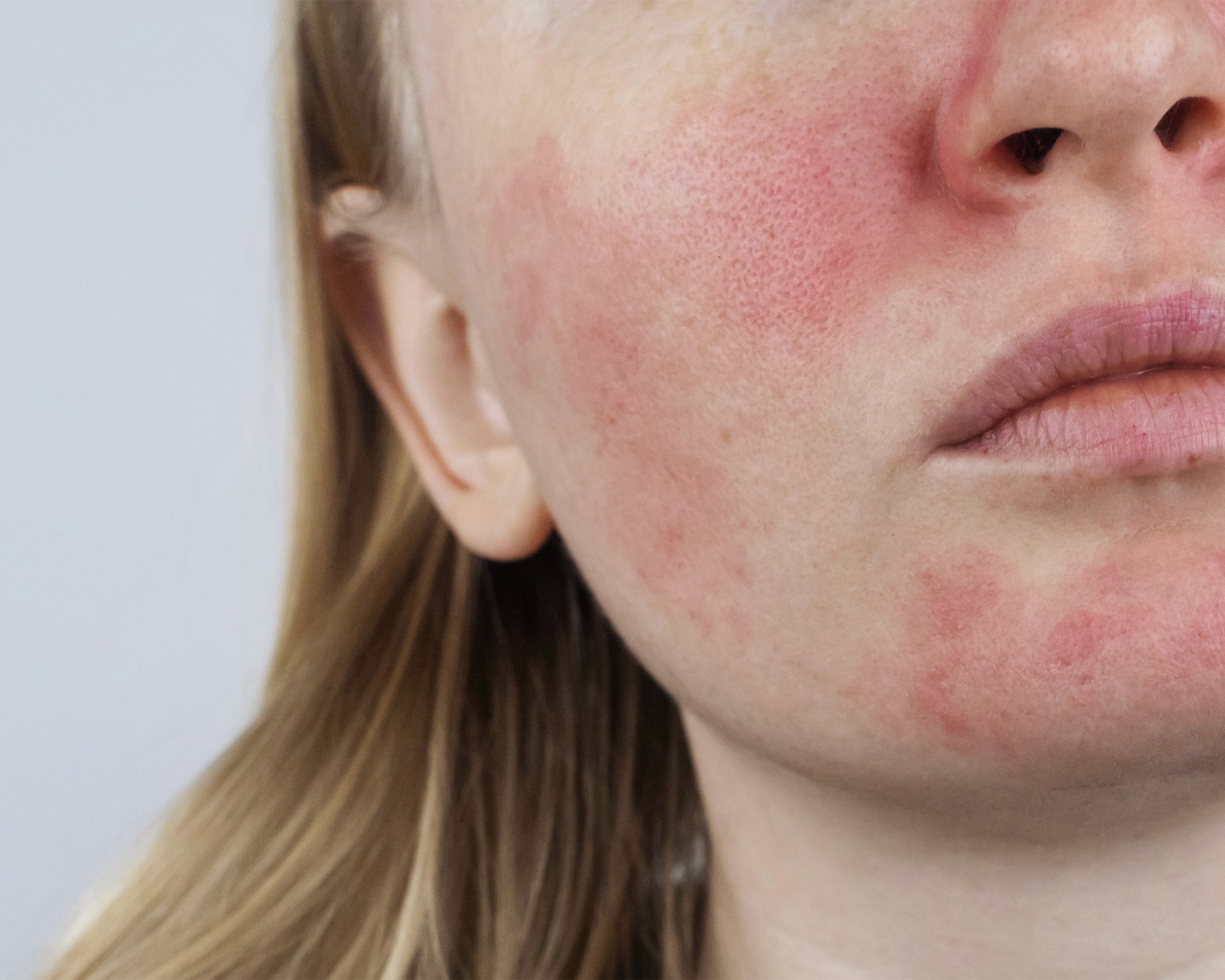
Table of Contents
Table of Contents
Key Takeaways
What is Rosacea?
What Is Tranexamic Acid?
How Does Tranexamic Acid Work for Rosacea?
What Does the Research Say About Tranexamic Acid for Rosacea?
Oral vs. Topical Tranexamic Acid: What Are the Differences?
What Are the Side Effects and Safety Considerations?
FAQs
Check Your Eligibility
Key Takeaways
What is Rosacea?
What Is Tranexamic Acid?
How Does Tranexamic Acid Work for Rosacea?
What Does the Research Say About Tranexamic Acid for Rosacea?
Oral vs. Topical Tranexamic Acid: What Are the Differences?
What Are the Side Effects and Safety Considerations?
FAQs
Check Your Eligibility
Key Takeaways
Tranexamic acid (TXA) is a medication originally used to control bleeding, now being studied for rosacea and melasma
Research shows that tranexamic acid reduces inflammation, decreases excess blood vessel formation, and improves skin barrier function
A review of six clinical studies found tranexamic acid to be effective for rosacea, with no severe adverse effects reported across any of the trials
A 70-patient randomized controlled trial found that adding oral tranexamic acid to standard rosacea treatment decreased redness, improved skin hydration, and boosted skin barrier function
Tranexamic acid is available in oral, topical, and injectable forms, each with different effectiveness and side effect profiles
Over the past few years, tranexamic acid has been increasingly featured in skin care products and medical research. Initially, it was studied for treating severe bleeding associated with heavy menstrual blood loss, but more recently has been studied as a treatment for skin redness and inflammation. Tranexamic acid has been used for years in surgery and emergency medicine to stop excessive bleeding., We’re now learning that it may offer hope for one of the most challenging skin concerns of all: rosacea. (1, 2)
If you’ve been struggling with persistent facial redness, visible blood vessels, and inflammation that aren’t responding to your usual treatments, you may want to learn more about tranexamic acid. We’ll review what tranexamic acid is, how it works, the research behind it for rosacea, and what you need to know about its safety.
What Is Rosacea?
Rosacea is a dermatologic (skin) condition that primarily impacts the skin of the face. Rosacea is typically seen on the nose and cheeks. Rosacea has several subtypes, and they are each caused by slightly different underlying processes. Some people can have more than one subtype at the same time.
The most common type of rosacea, Type 1, is called erythematotelangiectatic rosacea. Erythema means redness, and telangiectasias are small superficial blood vessels. Telangiectasias are sometimes called “spider veins.” Erythematotelangiectatic rosacea is characterized by skin redness and telangiectasias on the nose and cheeks, often with stinging, burning, and itching. Approximately 56% of people with rosacea have erythematotelangiectatic. (8, 9)
The second most common type of rosacea, Type 2, is called papulopustular rosacea. Papules are raised bumps, and pustules are pimples. Papulopustular rosacea is characterized by red bumps and pimples on the nose and cheeks. This can sometimes be mistaken for acne, but is a different skin condition entirely. Approximately 43% of people with rosacea have papulopustular rosacea. (9)
The third most common type of rosacea, Type 4, is called ocular rosacea. Ocular means “related to the eye.” Patients with ocular rosacea experience redness, itching, and burning of the eyes. Ocular rosacea can often appear in individuals who also have skin rosacea. Approximately 11% of people with rosacea have ocular rosacea. (9)
The least common type of rosacea, Type 3, is called phymatous rosacea. Phyma- comes from Greek and means “swelling.” This subtype of rosacea is often characterized by rhinophyma, which means nose swelling. Patients with phymatous rosacea experience skin thickening and enlargement of the nose. Approximately 7% of people with rosacea have phymatous rosacea. (9)
What Is Tranexamic Acid?
Tranexamic acid is made from the amino acid lysine. It is approved by the FDA to prevent blood clots from dissolving too quickly. It is an important tool in surgeries and emergency situations to prevent excessive bleeding, and it is listed on the World Health Organization’s List of Essential Medicines. (4)
In dermatology, tranexamic acid first began to attract attention for its effects on skin pigmentation, in particular for treating melasma. Researchers realized that its anti-inflammatory and anti-angiogenic effects (i.e., its ability to reduce inflammation and formation of new blood vessels) could make tranexamic acid effective against rosacea as well. In recent years, there has been a significant amount of research investigating the use of tranexamic acid for reducing redness, flushing, and skin barrier disruption in rosacea. (1, 2)
How Does Tranexamic Acid Work for Rosacea?
One of the reasons researchers suspected that tranexamic acid could be useful against rosacea is that it appears to target the condition through several connected pathways. Here is what the research has found so far (1, 2):
Reducing inflammation: Rosacea is an inflammatory disease, and much of the damage it causes to skin comes from the inflammation that it triggers. In one study examining a mouse model of rosacea, researchers found that tranexamic acid decreased production of several different pro-inflammatory chemicals, as well as decreasing production of an enzyme that contributes to inflammation. They also found that tranexamic acid regulated the presence of immune cells, as well as the expression of several immune-related genes. Together, these changes lead to reduced inflammation.(1)
Decreasing angiogenesis: Rosacea involves the formation of new, irregular blood vessels. The process of new blood vessel creation is called angiogenesis. Angiogenesis is triggered in part by chemical signals between cells. One set of skin cells produce the signalling molecules, and another set receives them. Tranexamic acid blocks the receptors for these signalling molecules. (7)
Improving skin barrier function: Rosacea-prone skin often has a weakened barrier, which means increased sensitivity, dryness, and water loss. One clinical trial involving 70 patients found that treatment with oral tranexamic acid enhanced skin barrier function, increased skin hydration, and reduced water loss compared to treatment with topical hyaluronic acid and oral doxycycline (an antibiotic). The researchers noted that patients with dry-type rosacea saw even greater improvements in skin barrier function. (3)
What Does the Research Say About Tranexamic Acid for Rosacea?
The research on TXA for rosacea is still in its infancy, but the data looks promising so far.
A comprehensive review published in 2024 included six clinical trials on the use of tranexamic acid for rosacea that were conducted between 2012 and 2023. The studies collectively looked at 64 patients, 28 of whom had erythematotelangiectatic rosacea (redness and broken blood vessels) and 36 of whom had papulopustular rosacea (acne-like bumps). All six studies concluded the treatment was effective, and none of the studies reported any serious side effects. The methods of application varied from oral tablets to topical solutions to intradermal injections, which means different methods might be effective in different situations. (2)
The largest clinical trial on the topic to date is a randomized controlled trial of 70 patients with papulopustular rosacea. The patients were split into two groups, one of which received conventional treatment for rosacea plus oral tranexamic acid and the other of which received conventional treatment only, for eight weeks, followed by a four-week follow-up period. The tranexamic acid group saw significantly greater improvement in clinical erythema assessment, investigator’s global assessment, patient self-assessment, and rosacea-specific quality of life scores. No adverse events were reported. (3)
One comparative trial of 45 female patients with erythematotelangiectatic rosacea looked at topical 10% tranexamic acid with and without microneedling. One side of each patient’s face received tranexamic acid alone, and the other received tranexamic acid and microneedling. Both sides of the face responded to the treatment, but the combination of microneedling and tranexamic acid saw significantly better results. In terms of telangiectasia, so-called “spider veins,” 66.6% of patients had good to excellent results on the microneedling + TXA side of the face, while 0% of patients on the TXA-alone side had good to excellent results. No adverse effects were reported on the side of the face treated with topical tranexamic acid alone. (5)
These findings are promising, but keep in mind that tranexamic acid is not yet a go-to treatment for rosacea. The sample sizes are small, and more large-scale randomized controlled trials need to be conducted before it’s a standard suggestion. That being said, if you’ve tried other treatments for rosacea without success, TXA is a research-backed approach you might consider talking to a provider about.
Oral vs. Topical Tranexamic Acid: What Are the Differences?
One of the most common questions about tranexamic acid is whether the oral or topical form works better.
Oral tranexamic acid is absorbed throughout the body, meaning it can address inflammation and vascular changes throughout the skin layers rather than just at a surface level. The 70-patient randomized trial using oral tranexamic acid added to standard therapy found significant improvements in both clinical rosacea severity and skin barrier function over eight weeks. (3) However, because oral TXA enters your bloodstream, it comes with potential side effects including gastrointestinal discomfort and, in rare cases, an increased risk of blood clots, which we cover in the safety section below.
Topical tranexamic acid is available in solutions and creams, typically at concentrations between 5% and 10%. It is gentler than oral TXA and carries virtually no systemic risk, making it a good option for people who prefer a more conservative approach. In the split-face study, the side treated with topical TXA alone still showed statistically significant improvement in erythema, though the results were less dramatic than the microneedling combination. (5) Across the studies reviewed, no adverse effects were reported with topical tranexamic acid alone. (2)
What Are the Side Effects and Safety Considerations?
TXA is considered generally safe, and none of the rosacea clinical studies we reviewed reported any serious adverse effects. (2, 3)
Topical TXA’s side effects are minimal. Across many clinical studies, no adverse effects were reported in patients who received topical TXA alone. (2, 5) In the split-face study, all the reported side effects (pain, exfoliation, erythema, bruises) occurred on the side of the face that also underwent microneedling, not the side that only received TXA. (5)
Oral side effects are more substantial. The most common side effects are gastrointestinal issues like nausea or bloating, and there is a risk of blood clots. In the 70-patient randomized trial, no significant side effects were associated with oral TXA when added to standard therapy for eight weeks. (3)
Blood clot risk is the most discussed safety concern with oral tranexamic acid. Since the drug works by helping your blood form clots, there’s a potential risk of venous thromboembolism. A large population-based study of nearly 2 million Danish women followed for 13.8 million person-years found that the use of oral TXA was associated with a roughly fourfold increased relative risk of venous thromboembolism compared to nonuse. However, the absolute risk was still low. With a five-day treatment course, the math showed that 78,549 women would need to be treated with oral TXA in order for 1 to experience a blood clot. (6) Nevertheless, your practitioner should assess your risk factors before prescribing oral TXA, particularly if you have a history of blood clots or other cardiovascular risk factors. It’s important to keep your provider up-to-date on your health history, so they can determine which medications are safe options for your individual situation.
FAQs
How long does it take to see results from tranexamic acid for rosacea?
In a 70-patient trial, patients saw significant improvement after 8 weeks of oral tranexamic acid added to standard treatment. They also saw improvement in their quality of life. (3) Some studies of topical TXA found improvement as early as 2-6 weeks, though the degree of that improvement varied. (2)
Can you use tranexamic acid with other rosacea treatments?
Yes. In the 70-patient randomized trial, oral tranexamic acid was given in addition to standard rosacea therapy of oral doxycycline and topical hyaluronic acid with improvement and no notable drug interactions. (3) Topical tranexamic acid is typically safe to layer with most skin care ingredients. As always, consult your provider to check for potential drug interactions with any medications you are taking.
Is tranexamic acid safe to use long term?
We don’t know for sure. In studies with topical tranexamic acid, no side effects have been reported in the clinical studies to date. (2) With oral tranexamic acid, the longest studies were 8 weeks of treatment with a follow-up period, and no side effects were reported. (3) We don’t have data about safety of use beyond that study period. Oral use should be monitored by a healthcare provider to keep an eye out for any signs of thromboembolic complications.
Does tranexamic acid work for all types of rosacea?
So far, most of the clinical studies have been on erythematotelangiectatic rosacea (redness and visible vessels) and papulopustular rosacea (red bumps), and it has been found to be effective for both. There is no published clinical data on its use in phymatous (nodular and thickening) or ocular (eye) rosacea. Your provider can help you decide whether tranexamic acid might be a good fit for your particular type of rosacea. (2)
Is tranexamic acid better than other rosacea treatments?
Tranexamic acid is not a substitute for other established rosacea treatments such as topical metronidazole, azelaic acid, brimonidine, or oral doxycycline. It’s best viewed as an additional option for patients who have not responded fully to first line therapies or for those who want to target the vascular and barrier aspects of their rosacea with an additional medication. Head-to-head comparison studies will be needed to definitely say if it is an appropriate substitute or a better option. (2)
Check Your Eligibility
If you have been struggling with rosacea and want to explore whether tranexamic acid or other treatment options might be right for you, a healthcare provider on Mochi Health's telehealth platform can help you understand your options and determine the best course of action for your needs. Check your eligibility here.
Disclaimer: This article is for educational purposes only and should not be considered medical advice. The information provided does not constitute recommendations for treatment. Always consult with your healthcare provider about your specific situation, symptoms, and treatment options.
References
Li, Y., Xie, H., Deng, Z., Wang, B., Tang, Y., Zhao, Z., Yuan, X., Zuo, Z., Xu, S., Zhang, Y., & Li, J. (2019). Tranexamic acid ameliorates rosacea symptoms through regulating immune response and angiogenesis. International Immunopharmacology, 67, 326–334. https://pubmed.ncbi.nlm.nih.gov/30578968/
Zhang, J., Gu, D., Yan, Y., Pan, R., Zhong, H., Zhang, C., & Xu, Y. (2024). Potential role of tranexamic acid in rosacea treatment: conquering flushing beyond melasma. Clinical, Cosmetic and Investigational Dermatology, 17, 1405–1412. https://pmc.ncbi.nlm.nih.gov/articles/PMC11185165/
Xu, Z., Yu, B., Xu, B., Ye, S., Qing, Y., Zhao, B., Hong, S., Wu, N., & Wu, J. (2024). Oral tranexamic acid treats papulopustular rosacea by improving the skin barrier. Journal of Cosmetic Dermatology, 23(9), 2918–2926. https://pubmed.ncbi.nlm.nih.gov/38712728/
National Center for Biotechnology Information. (2024). Tranexamic acid. In StatPearls. StatPearls Publishing. https://www.ncbi.nlm.nih.gov/books/NBK532909/
Mohamed, R.R., Mohamed, L.G.M., Mansour, M., & Rageh, M.A. (2024). Topical 10% tranexamic acid with and without microneedling in the treatment of erythematotelangiectatic rosacea: A split-face comparative study. Journal of Clinical and Aesthetic Dermatology, 17(2), 47–51. https://pmc.ncbi.nlm.nih.gov/articles/PMC10911261/
Meaidi, A., Mørch, L., Torp-Pedersen, C., & Lidegaard, O. (2021). Oral tranexamic acid and thrombosis risk in women. eClinicalMedicine, 35, 100882. https://pubmed.ncbi.nlm.nih.gov/34124632/
Zhu, J. W., Ni, Y. J., Tong, X. Y., Guo, X., Wu, X. P., & Lu, Z. F. (2020). Tranexamic Acid Inhibits Angiogenesis and Melanogenesis in Vitro by Targeting VEGF Receptors. International journal of medical sciences, 17(7), 903–911. https://doi.org/10.7150/ijms.44188
Micali, G., Gerber, P. A., Lacarrubba, F., & Schäfer, G. (2016). Improving Treatment of Erythematotelangiectatic Rosacea with Laser and/or Topical Therapy Through Enhanced Discrimination of its Clinical Features. The Journal of clinical and aesthetic dermatology, 9(7), 30–39.
Barakji, Y. A., Rønnstad, A. T. M., Christensen, M. O., Zachariae, C., Wienholtz, N. K. F., Halling, A. S., Maul, J. T., Thomsen, S. F., Egeberg, A., & Thyssen, J. P. (2022). Assessment of Frequency of Rosacea Subtypes in Patients With Rosacea: A Systematic Review and Meta-analysis. JAMA dermatology, 158(6), 617–625. https://doi.org/10.1001/jamadermatol.2022.0526
Key Takeaways
Tranexamic acid (TXA) is a medication originally used to control bleeding, now being studied for rosacea and melasma
Research shows that tranexamic acid reduces inflammation, decreases excess blood vessel formation, and improves skin barrier function
A review of six clinical studies found tranexamic acid to be effective for rosacea, with no severe adverse effects reported across any of the trials
A 70-patient randomized controlled trial found that adding oral tranexamic acid to standard rosacea treatment decreased redness, improved skin hydration, and boosted skin barrier function
Tranexamic acid is available in oral, topical, and injectable forms, each with different effectiveness and side effect profiles
Over the past few years, tranexamic acid has been increasingly featured in skin care products and medical research. Initially, it was studied for treating severe bleeding associated with heavy menstrual blood loss, but more recently has been studied as a treatment for skin redness and inflammation. Tranexamic acid has been used for years in surgery and emergency medicine to stop excessive bleeding., We’re now learning that it may offer hope for one of the most challenging skin concerns of all: rosacea. (1, 2)
If you’ve been struggling with persistent facial redness, visible blood vessels, and inflammation that aren’t responding to your usual treatments, you may want to learn more about tranexamic acid. We’ll review what tranexamic acid is, how it works, the research behind it for rosacea, and what you need to know about its safety.
What Is Rosacea?
Rosacea is a dermatologic (skin) condition that primarily impacts the skin of the face. Rosacea is typically seen on the nose and cheeks. Rosacea has several subtypes, and they are each caused by slightly different underlying processes. Some people can have more than one subtype at the same time.
The most common type of rosacea, Type 1, is called erythematotelangiectatic rosacea. Erythema means redness, and telangiectasias are small superficial blood vessels. Telangiectasias are sometimes called “spider veins.” Erythematotelangiectatic rosacea is characterized by skin redness and telangiectasias on the nose and cheeks, often with stinging, burning, and itching. Approximately 56% of people with rosacea have erythematotelangiectatic. (8, 9)
The second most common type of rosacea, Type 2, is called papulopustular rosacea. Papules are raised bumps, and pustules are pimples. Papulopustular rosacea is characterized by red bumps and pimples on the nose and cheeks. This can sometimes be mistaken for acne, but is a different skin condition entirely. Approximately 43% of people with rosacea have papulopustular rosacea. (9)
The third most common type of rosacea, Type 4, is called ocular rosacea. Ocular means “related to the eye.” Patients with ocular rosacea experience redness, itching, and burning of the eyes. Ocular rosacea can often appear in individuals who also have skin rosacea. Approximately 11% of people with rosacea have ocular rosacea. (9)
The least common type of rosacea, Type 3, is called phymatous rosacea. Phyma- comes from Greek and means “swelling.” This subtype of rosacea is often characterized by rhinophyma, which means nose swelling. Patients with phymatous rosacea experience skin thickening and enlargement of the nose. Approximately 7% of people with rosacea have phymatous rosacea. (9)
What Is Tranexamic Acid?
Tranexamic acid is made from the amino acid lysine. It is approved by the FDA to prevent blood clots from dissolving too quickly. It is an important tool in surgeries and emergency situations to prevent excessive bleeding, and it is listed on the World Health Organization’s List of Essential Medicines. (4)
In dermatology, tranexamic acid first began to attract attention for its effects on skin pigmentation, in particular for treating melasma. Researchers realized that its anti-inflammatory and anti-angiogenic effects (i.e., its ability to reduce inflammation and formation of new blood vessels) could make tranexamic acid effective against rosacea as well. In recent years, there has been a significant amount of research investigating the use of tranexamic acid for reducing redness, flushing, and skin barrier disruption in rosacea. (1, 2)
How Does Tranexamic Acid Work for Rosacea?
One of the reasons researchers suspected that tranexamic acid could be useful against rosacea is that it appears to target the condition through several connected pathways. Here is what the research has found so far (1, 2):
Reducing inflammation: Rosacea is an inflammatory disease, and much of the damage it causes to skin comes from the inflammation that it triggers. In one study examining a mouse model of rosacea, researchers found that tranexamic acid decreased production of several different pro-inflammatory chemicals, as well as decreasing production of an enzyme that contributes to inflammation. They also found that tranexamic acid regulated the presence of immune cells, as well as the expression of several immune-related genes. Together, these changes lead to reduced inflammation.(1)
Decreasing angiogenesis: Rosacea involves the formation of new, irregular blood vessels. The process of new blood vessel creation is called angiogenesis. Angiogenesis is triggered in part by chemical signals between cells. One set of skin cells produce the signalling molecules, and another set receives them. Tranexamic acid blocks the receptors for these signalling molecules. (7)
Improving skin barrier function: Rosacea-prone skin often has a weakened barrier, which means increased sensitivity, dryness, and water loss. One clinical trial involving 70 patients found that treatment with oral tranexamic acid enhanced skin barrier function, increased skin hydration, and reduced water loss compared to treatment with topical hyaluronic acid and oral doxycycline (an antibiotic). The researchers noted that patients with dry-type rosacea saw even greater improvements in skin barrier function. (3)
What Does the Research Say About Tranexamic Acid for Rosacea?
The research on TXA for rosacea is still in its infancy, but the data looks promising so far.
A comprehensive review published in 2024 included six clinical trials on the use of tranexamic acid for rosacea that were conducted between 2012 and 2023. The studies collectively looked at 64 patients, 28 of whom had erythematotelangiectatic rosacea (redness and broken blood vessels) and 36 of whom had papulopustular rosacea (acne-like bumps). All six studies concluded the treatment was effective, and none of the studies reported any serious side effects. The methods of application varied from oral tablets to topical solutions to intradermal injections, which means different methods might be effective in different situations. (2)
The largest clinical trial on the topic to date is a randomized controlled trial of 70 patients with papulopustular rosacea. The patients were split into two groups, one of which received conventional treatment for rosacea plus oral tranexamic acid and the other of which received conventional treatment only, for eight weeks, followed by a four-week follow-up period. The tranexamic acid group saw significantly greater improvement in clinical erythema assessment, investigator’s global assessment, patient self-assessment, and rosacea-specific quality of life scores. No adverse events were reported. (3)
One comparative trial of 45 female patients with erythematotelangiectatic rosacea looked at topical 10% tranexamic acid with and without microneedling. One side of each patient’s face received tranexamic acid alone, and the other received tranexamic acid and microneedling. Both sides of the face responded to the treatment, but the combination of microneedling and tranexamic acid saw significantly better results. In terms of telangiectasia, so-called “spider veins,” 66.6% of patients had good to excellent results on the microneedling + TXA side of the face, while 0% of patients on the TXA-alone side had good to excellent results. No adverse effects were reported on the side of the face treated with topical tranexamic acid alone. (5)
These findings are promising, but keep in mind that tranexamic acid is not yet a go-to treatment for rosacea. The sample sizes are small, and more large-scale randomized controlled trials need to be conducted before it’s a standard suggestion. That being said, if you’ve tried other treatments for rosacea without success, TXA is a research-backed approach you might consider talking to a provider about.
Oral vs. Topical Tranexamic Acid: What Are the Differences?
One of the most common questions about tranexamic acid is whether the oral or topical form works better.
Oral tranexamic acid is absorbed throughout the body, meaning it can address inflammation and vascular changes throughout the skin layers rather than just at a surface level. The 70-patient randomized trial using oral tranexamic acid added to standard therapy found significant improvements in both clinical rosacea severity and skin barrier function over eight weeks. (3) However, because oral TXA enters your bloodstream, it comes with potential side effects including gastrointestinal discomfort and, in rare cases, an increased risk of blood clots, which we cover in the safety section below.
Topical tranexamic acid is available in solutions and creams, typically at concentrations between 5% and 10%. It is gentler than oral TXA and carries virtually no systemic risk, making it a good option for people who prefer a more conservative approach. In the split-face study, the side treated with topical TXA alone still showed statistically significant improvement in erythema, though the results were less dramatic than the microneedling combination. (5) Across the studies reviewed, no adverse effects were reported with topical tranexamic acid alone. (2)
What Are the Side Effects and Safety Considerations?
TXA is considered generally safe, and none of the rosacea clinical studies we reviewed reported any serious adverse effects. (2, 3)
Topical TXA’s side effects are minimal. Across many clinical studies, no adverse effects were reported in patients who received topical TXA alone. (2, 5) In the split-face study, all the reported side effects (pain, exfoliation, erythema, bruises) occurred on the side of the face that also underwent microneedling, not the side that only received TXA. (5)
Oral side effects are more substantial. The most common side effects are gastrointestinal issues like nausea or bloating, and there is a risk of blood clots. In the 70-patient randomized trial, no significant side effects were associated with oral TXA when added to standard therapy for eight weeks. (3)
Blood clot risk is the most discussed safety concern with oral tranexamic acid. Since the drug works by helping your blood form clots, there’s a potential risk of venous thromboembolism. A large population-based study of nearly 2 million Danish women followed for 13.8 million person-years found that the use of oral TXA was associated with a roughly fourfold increased relative risk of venous thromboembolism compared to nonuse. However, the absolute risk was still low. With a five-day treatment course, the math showed that 78,549 women would need to be treated with oral TXA in order for 1 to experience a blood clot. (6) Nevertheless, your practitioner should assess your risk factors before prescribing oral TXA, particularly if you have a history of blood clots or other cardiovascular risk factors. It’s important to keep your provider up-to-date on your health history, so they can determine which medications are safe options for your individual situation.
FAQs
How long does it take to see results from tranexamic acid for rosacea?
In a 70-patient trial, patients saw significant improvement after 8 weeks of oral tranexamic acid added to standard treatment. They also saw improvement in their quality of life. (3) Some studies of topical TXA found improvement as early as 2-6 weeks, though the degree of that improvement varied. (2)
Can you use tranexamic acid with other rosacea treatments?
Yes. In the 70-patient randomized trial, oral tranexamic acid was given in addition to standard rosacea therapy of oral doxycycline and topical hyaluronic acid with improvement and no notable drug interactions. (3) Topical tranexamic acid is typically safe to layer with most skin care ingredients. As always, consult your provider to check for potential drug interactions with any medications you are taking.
Is tranexamic acid safe to use long term?
We don’t know for sure. In studies with topical tranexamic acid, no side effects have been reported in the clinical studies to date. (2) With oral tranexamic acid, the longest studies were 8 weeks of treatment with a follow-up period, and no side effects were reported. (3) We don’t have data about safety of use beyond that study period. Oral use should be monitored by a healthcare provider to keep an eye out for any signs of thromboembolic complications.
Does tranexamic acid work for all types of rosacea?
So far, most of the clinical studies have been on erythematotelangiectatic rosacea (redness and visible vessels) and papulopustular rosacea (red bumps), and it has been found to be effective for both. There is no published clinical data on its use in phymatous (nodular and thickening) or ocular (eye) rosacea. Your provider can help you decide whether tranexamic acid might be a good fit for your particular type of rosacea. (2)
Is tranexamic acid better than other rosacea treatments?
Tranexamic acid is not a substitute for other established rosacea treatments such as topical metronidazole, azelaic acid, brimonidine, or oral doxycycline. It’s best viewed as an additional option for patients who have not responded fully to first line therapies or for those who want to target the vascular and barrier aspects of their rosacea with an additional medication. Head-to-head comparison studies will be needed to definitely say if it is an appropriate substitute or a better option. (2)
Check Your Eligibility
If you have been struggling with rosacea and want to explore whether tranexamic acid or other treatment options might be right for you, a healthcare provider on Mochi Health's telehealth platform can help you understand your options and determine the best course of action for your needs. Check your eligibility here.
Disclaimer: This article is for educational purposes only and should not be considered medical advice. The information provided does not constitute recommendations for treatment. Always consult with your healthcare provider about your specific situation, symptoms, and treatment options.
References
Li, Y., Xie, H., Deng, Z., Wang, B., Tang, Y., Zhao, Z., Yuan, X., Zuo, Z., Xu, S., Zhang, Y., & Li, J. (2019). Tranexamic acid ameliorates rosacea symptoms through regulating immune response and angiogenesis. International Immunopharmacology, 67, 326–334. https://pubmed.ncbi.nlm.nih.gov/30578968/
Zhang, J., Gu, D., Yan, Y., Pan, R., Zhong, H., Zhang, C., & Xu, Y. (2024). Potential role of tranexamic acid in rosacea treatment: conquering flushing beyond melasma. Clinical, Cosmetic and Investigational Dermatology, 17, 1405–1412. https://pmc.ncbi.nlm.nih.gov/articles/PMC11185165/
Xu, Z., Yu, B., Xu, B., Ye, S., Qing, Y., Zhao, B., Hong, S., Wu, N., & Wu, J. (2024). Oral tranexamic acid treats papulopustular rosacea by improving the skin barrier. Journal of Cosmetic Dermatology, 23(9), 2918–2926. https://pubmed.ncbi.nlm.nih.gov/38712728/
National Center for Biotechnology Information. (2024). Tranexamic acid. In StatPearls. StatPearls Publishing. https://www.ncbi.nlm.nih.gov/books/NBK532909/
Mohamed, R.R., Mohamed, L.G.M., Mansour, M., & Rageh, M.A. (2024). Topical 10% tranexamic acid with and without microneedling in the treatment of erythematotelangiectatic rosacea: A split-face comparative study. Journal of Clinical and Aesthetic Dermatology, 17(2), 47–51. https://pmc.ncbi.nlm.nih.gov/articles/PMC10911261/
Meaidi, A., Mørch, L., Torp-Pedersen, C., & Lidegaard, O. (2021). Oral tranexamic acid and thrombosis risk in women. eClinicalMedicine, 35, 100882. https://pubmed.ncbi.nlm.nih.gov/34124632/
Zhu, J. W., Ni, Y. J., Tong, X. Y., Guo, X., Wu, X. P., & Lu, Z. F. (2020). Tranexamic Acid Inhibits Angiogenesis and Melanogenesis in Vitro by Targeting VEGF Receptors. International journal of medical sciences, 17(7), 903–911. https://doi.org/10.7150/ijms.44188
Micali, G., Gerber, P. A., Lacarrubba, F., & Schäfer, G. (2016). Improving Treatment of Erythematotelangiectatic Rosacea with Laser and/or Topical Therapy Through Enhanced Discrimination of its Clinical Features. The Journal of clinical and aesthetic dermatology, 9(7), 30–39.
Barakji, Y. A., Rønnstad, A. T. M., Christensen, M. O., Zachariae, C., Wienholtz, N. K. F., Halling, A. S., Maul, J. T., Thomsen, S. F., Egeberg, A., & Thyssen, J. P. (2022). Assessment of Frequency of Rosacea Subtypes in Patients With Rosacea: A Systematic Review and Meta-analysis. JAMA dermatology, 158(6), 617–625. https://doi.org/10.1001/jamadermatol.2022.0526
Read next














Ready to transform your health?
Unlock access to expert guidance and a weight care plan crafted just for you.


Personalized care designed for you.


© 2026 Mochi Health
All professional medical services are provided by licensed physicians and clinicians affiliated with independently owned and operated professional practices. Mochi Health Corp. provides administrative and technology services to affiliated medical practices it supports, and does not provide any professional medical services itself.

Personalized care designed for you.
© 2026 Mochi Health
All professional medical services are provided by licensed physicians and clinicians affiliated with independently owned and operated professional practices. Mochi Health Corp. provides administrative and technology services to affiliated medical practices it supports, and does not provide any professional medical services itself.
Personalized care designed for you.
© 2026 Mochi Health
All professional medical services are provided by licensed physicians and clinicians affiliated with independently owned and operated professional practices. Mochi Health Corp. provides administrative and technology services to affiliated medical practices it supports, and does not provide any professional medical services itself.