All articles
Finasteride for Women: Does It Work for Hair Loss?
Reading time:
11 min

Hair Loss
Get expert guidance and a personalized care plan designed around you.
Finasteride for Postmenopausal Hair Loss
According to the National Institute on Aging, menopause is when someone stops menstruating and can no longer get pregnant. During the ten years or so leading up to menopause, hormone levels fluctuate. Female hormones, like estrogen, are lower while androgens are higher, per a 2025 paper in Maturitas.
That increase in androgens during this period may lead to more DHT, increasing the likelihood of hair loss. Because of this, postmenopausal women can benefit from finasteride for hair loss.
Finasteride for Women with PMOS
People with PMOS also have higher androgen levels, per a 2023 review in Frontiers in Endocrinology. Higher androgen levels equate to the increased production of DHT. This is why finasteride for women with PCOS (now called PMOS) may also be considered.
Still, the studies on hair loss caused by PMOS are limited. That’s why Saldanha often uses it as a second or third line treatment or add-on treatment for people with PMOS. Dr. Agullo mentions that if he prescribes finasteride for PMOS, it’s often in tandem with another medication that blocks androgens, such as spironolactone.
Finasteride Dosage for Women
The FDA recommends 1 mg of finasteride per day for treating hair loss in men. Yet a 2021 review in the Annals of Dermatology points out that 1 mg is not effective for female hair loss. Instead, it states daily doses between 2.5-5 mg have led to greater impacts for female participants in clinical trials. A healthcare provider can determine the appropriate amount for each patient, but finasteride dosage for women is almost always higher than the dosage used for male pattern hair loss.
Topical Finasteride for Women
Traditionally, finasteride has been prescribed as an oral medication. Yet, growing evidence suggests topical finasteride for women may offer similar efficacy. A 2023 paper in Cureus stated that topical finasteride may even have a more favorable safety profile for women. In her own practice, Saldanha notes that topical finasteride is often associated with fewer side effects.
That said, similar efficacy does not mean equal. One clinical trial comparing oral to topical finasteride found that the oral version was more effective, per a 2024 paper in Skin Appendage Disorders.
Still, topical finasteride is an option that might be available at compounding pharmacies. There are currently no FDA-approved topical forms of this drug for men or women. What's more, the FDA has warned that compounded topical finasteride can be absorbed into the bloodstream, with reports of serious side effects and the potential for accidental exposure to others.
Side Effects of Finasteride in Women
Like any medication, finasteride comes with side effects. Since the drug is FDA-approved for use in men, the side effects are more established in male populations. These include:
Loss of libido
Orthostatic hypotension, or a sudden drop in blood pressure
Mood swings
Increased risk of depressive or anxious thoughts
Dizziness
Weakness
Tender or enlarged breast tissue
Rash on skin
Rhinitis, irritation, or inflammation in the nose
Dyspnea, or shortness of breath
Small studies in women have reported mild side effects of finasteride such as decreased libido, dry skin, acne, headache, irregular menstrual periods, and increased body hair.
If symptoms such as depression or sexual side effects persist after stopping finasteride, it’s sometimes referred to as post-finasteride syndrome. The syndrome remains controversial: some studies have reported persistent side effects in a subset of men, while others, including a 2020 paper in Anais Brasileiros de Dermatologia note that evidence is limited and unclear as to whether finasteride is the cause of these ongoing symptoms.
Is Finasteride Safe for Women?
As you read through that list of side effects, you may have wondered, “Is finasteride safe for women?” The answer is, it depends. It’s safe for women who are not currently pregnant and not trying to get pregnant.
“I would not prescribe this in someone who has the potential to become pregnant, as it can harm a developing fetus,” says Saldanha, “so if using it in someone who could become pregnant, they need to be counseled on adequate birth control.”
If you are pregnant or trying to get pregnant, do not take finasteride. This medication may cause birth defects, per the drug’s FDA label. Talk to your provider if you have questions about birth control while on this medication.
How Does Finasteride Compare to Other Hair Loss Treatments?
There are many other hair loss treatments, and finasteride is sometimes more effective when paired with another option, like spironolactone or minoxidil, per 2023 article in Advances in Clinical and Experimental Medicine.
“Hair loss is extraordinarily complex and very often multifactorial,” says Saldanha, adding that it often requires more than one treatment. The other hair loss medications that a healthcare provider might recommend include minoxidil, spironolactone, or dutasteride.
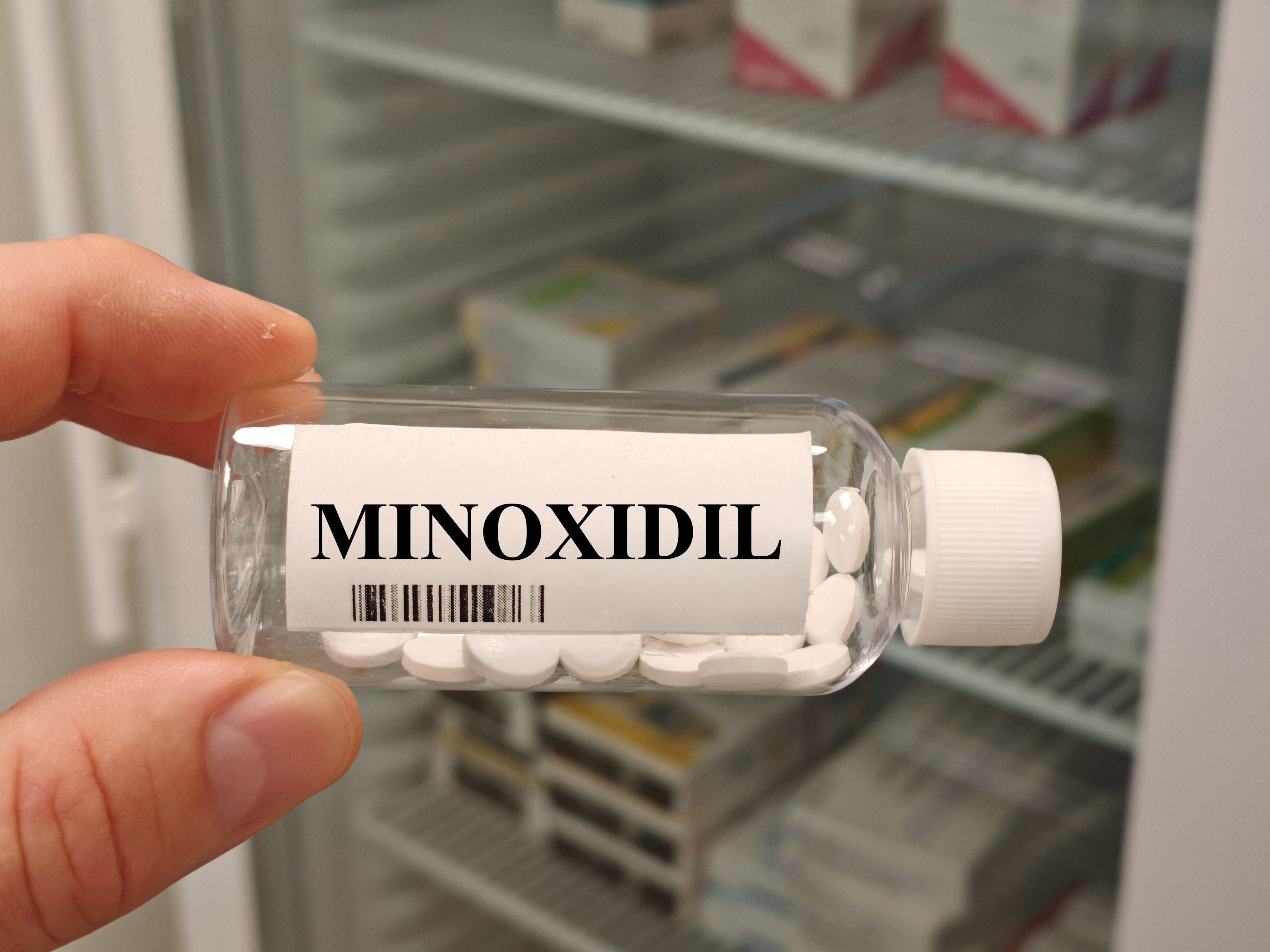
Minoxidil (topical)
What it is: Medication to help stimulate hair growth
FDA-approved for hair loss in women: Yes
Potential candidates: People with male or female patterned hair loss; often the first line treatment for women
Limitations: Does not affect DHT directly
What it is: Medication that blocks androgen receptors involved in hair loss
FDA-approved for women: Not specifically for acne or hair loss
Potential candidates: Women who experience hair loss; it may also treat hormonal acne
Limitations: Contraindicated during pregnancy; not recommended for male hair loss
Dutasteride
What it is: Blocks both types of 5-alpha reductase enzymes
FDA-approved for hair loss or women: No
Potential candidates: Similar to finasteride
Limitations: Not well-studied in women
Treatment | FDA-approved for women | How it works | Typical use | Key consideration |
|---|---|---|---|---|
Finasteride (oral) | No (used off-label) | Blocks DHT via 5-alpha reductase | Male hair loss; used off-label for female hair loss, PMOS | Contraindicated in pregnancy |
Topical finasteride | No (compounded) | Blocks DHT locally | FPHL with lower systemic exposure preference | Compounded only; no standardized dose |
Minoxidil (topical) | Yes (2%) | Vasodilator; prolongs growth phase | First-line for most women | No DHT effect; doesn't address hormonal root cause |
Spironolactone | Not for acne or hair loss (used off-label) | Blocks androgen receptors | Premenopausal women; also treats acne | Contraindicated in pregnancy; potassium monitoring |
Dutasteride | No (used off-label) | Blocks both types of 5-alpha reductase | Emerging; stronger DHT suppression than finasteride | Less studied in women; stronger teratogen risk |
What Results Can Women Expect?
Finasteride is used to slow or stop hair loss, but it doesn’t work overnight. According to the UK’s NHS, the drug takes three to six months to see improvement for hair loss. You need to take finasteride consistently to maintain its benefits; if you stop taking it, hair loss will usually return within a year, based on studies in men.
When working with patients, Dr. Agullo often helps them think of treatment in two phases. He labels phase one as stabilization, which is when shedding slows or thinning reduces or stops altogether. This is what someone can expect in the first three to six months.
“Phase two consists of hair growth,” says Dr. Agullo, “There is a slight, if minimal, growth boost in phase two, but the effects on hair thickness or receding hairline are not fully seen until around 12 months down the road.”
Even during the hair regrowth phase, it’s best to keep expectations in check. Dr. Agullo says his patients don’t regrow the hair density of their twenties through finasteride alone. For better results, he often pairs the drug with other treatments, such as a hair transplant.
How to get Finasteride Prescribed for a Woman
Since finasteride is FDA-approved for men, it is prescribed off-label for women. The FDA states that healthcare providers can prescribe drugs off-label if they deem it medically appropriate and safe. That means a qualified healthcare provider you already work with, such as a dermatologist or primary care physician, can prescribe it during an appointment.
You may also want to explore telehealth memberships, such as Mochi Health. Mochi connects members with licensed healthcare providers for virtual consultations. After exploring a patient’s medical history, current medications, and hair loss pattern, that provider will recommend the appropriate treatment, which could be finasteride or another hair loss treatment.
The Bottom Line
When it comes to finasteride for women, hair loss is a main reason this drug is prescribed off-label. This medication may be an effective, safe treatment to slow hair loss, when prescribed for patients who are not pregnant or trying to conceive. To learn more about how it compares to other treatment options, explore the skincare and hair treatments available through Mochi.
FAQs
What does finasteride do to the female body?
Finasteride blocks the conversion of testosterone into dihydrotestosterone (DHT). DHT is a hormone associated with female-patterned hair loss. However, finasteride may be dangerous to take during pregnancy, and the drug comes with some side effects, such as decreased libido and irregular menstruation.
Is finasteride or spironolactone better for women?
When it comes to finasteride vs spironolactone for women, neither is automatically better. Instead, the two work differently (and can be used together). Finasteride is often prescribed off-label to slow hair loss. Meanwhile, spironolactone has anti-androgenic properties as well, per a 2023 study in BMJ. While DHT is an androgen, it isn’t the only hormone in this group, and spironolactone may target others involved in hair loss.
How long does finasteride take to work for women?
Finasteride takes about three to six months to work for hair loss. Some people report seeing some improvement soon after they start the medication, but it can take up to six months of consistent treatment to work. If you stop taking finasteride, its benefits on hair growth also stop.
This article is for informational purposes only and does not constitute medical advice. Always consult with a qualified healthcare provider before starting, stopping, or changing any medication or treatment plan. Finasteride requires a written prescription from a licensed provider. Speak with a provider to determine if finasteride is appropriate for you. Compounded medications are not approved or evaluated by the FDA for safety, effectiveness, or quality. Individual results are not guaranteed and may vary from person to person.
Share this post
Hair Loss
More articles