All articles

Sermorelin Side Effects, Benefits and Safety

Reading time:

6 mins

Published on

Updated on

Longevity

Ready to transform your health?

Ready to transform your health?

Get expert guidance and a personalized care plan designed around you.

Key Takeaways

  • Growth hormone provides health benefits such as improving lean mass and maintaining a healthy heart, but unfortunately, levels decline with age 

  • While synthetic growth hormone can cause side effects, sermorelin - a peptide that triggers growth hormone release- is a safer option

  • Most side effects of sermorelin are minor, such as temporary injection site irritation and facial flushing.

  • Individuals with active cancer or brain tumors should avoid sermorelin due to its ability to stimulate cell growth.

  • For safety purposes, always stick with FDA-approved peptides sourced from accredited pharmacies, and follow your healthcare provider’s dosing regimen closely

Did you know there is a hormone naturally present in all of us that does some truly incredible things?

Growth hormone (GH), which is released by a part of the brain called the anterior pituitary gland, is a natural hormone that helps [1]:

  • Maintain lean muscle and bone mass

  • Promote the breakdown of fat 

  • Regulate carbohydrate metabolism

  • Maintain a healthy heart and blood vessels

  • Protect the nervous system 

Researchers have found that GH levels peak when we are young and naturally decline as we age. Some studies suggest that this drop might play a role in some changes we experience with age, including a loss of lean muscle, trouble with memory and focus, and poor sleep [1].

But like anything in life, balance is key. While GH can help people with a true deficiency, having too much of it can actually trigger health problems [2, 3]. In addition, directly taking GH can cause severe side effects. So, unfortunately, GH alone isn’t a perfect solution for our aging bodies [4].

The good news is that scientists may have found a better approach. Instead of directly taking GH, there is a medication called sermorelin. Sermorelin triggers your body to naturally produce more of its own GH, which can minimize the risk of taking too much GH from an external source[4].

Read on to learn how sermorelin is becoming a popular option for healthy aging.

Key Takeaways

  • Growth hormone provides health benefits such as improving lean mass and maintaining a healthy heart, but unfortunately, levels decline with age 

  • While synthetic growth hormone can cause side effects, sermorelin - a peptide that triggers growth hormone release- is a safer option

  • Most side effects of sermorelin are minor, such as temporary injection site irritation and facial flushing.

  • Individuals with active cancer or brain tumors should avoid sermorelin due to its ability to stimulate cell growth.

  • For safety purposes, always stick with FDA-approved peptides sourced from accredited pharmacies, and follow your healthcare provider’s dosing regimen closely

Did you know there is a hormone naturally present in all of us that does some truly incredible things?

Growth hormone (GH), which is released by a part of the brain called the anterior pituitary gland, is a natural hormone that helps [1]:

  • Maintain lean muscle and bone mass

  • Promote the breakdown of fat 

  • Regulate carbohydrate metabolism

  • Maintain a healthy heart and blood vessels

  • Protect the nervous system 

Researchers have found that GH levels peak when we are young and naturally decline as we age. Some studies suggest that this drop might play a role in some changes we experience with age, including a loss of lean muscle, trouble with memory and focus, and poor sleep [1].

But like anything in life, balance is key. While GH can help people with a true deficiency, having too much of it can actually trigger health problems [2, 3]. In addition, directly taking GH can cause severe side effects. So, unfortunately, GH alone isn’t a perfect solution for our aging bodies [4].

The good news is that scientists may have found a better approach. Instead of directly taking GH, there is a medication called sermorelin. Sermorelin triggers your body to naturally produce more of its own GH, which can minimize the risk of taking too much GH from an external source[4].

Read on to learn how sermorelin is becoming a popular option for healthy aging.

What Is Sermorelin & How Does It Work?

Our bodies normally use signaling factors like hormones and peptides to help release other important signalling peptides and hormones, including GH. One of the main triggers for this GH production is growth hormone-releasing factor (GHRF) [5]. GHRF is produced in the hypothalamus of the brain. From here, it signals another part of the brain called the pituitary gland to release GH into the body. Your body keeps track of how much GH is in your system, and if you start producing too much, it will signal back to the brain to stop production to keep levels in check [5].

Working with this incredible feedback system, scientists developed a substance that essentially acts just like GHRF. It helps the pituitary stimulate more GH naturally but allows your body to say “STOP” when the levels get too high [5]. Classified as a growth hormone secretagogue, the chemical abbreviation for sermorelin is GHRH 1-29 or GRF 1-29 [4]. Researchers originally developed it to help pediatric patients with diagnosing and treating growth hormone deficiencies [6].

Researchers believe sermorelin may help support pituitary health and function as we age, but of note, the FDA has not approved sermorelin as a proven anti-aging supplement. Anti-aging facilities may prescribe compounded sermorelin “off-label” for anti-aging [4].

What Is Sermorelin & How Does It Work?

Our bodies normally use signaling factors like hormones and peptides to help release other important signalling peptides and hormones, including GH. One of the main triggers for this GH production is growth hormone-releasing factor (GHRF) [5]. GHRF is produced in the hypothalamus of the brain. From here, it signals another part of the brain called the pituitary gland to release GH into the body. Your body keeps track of how much GH is in your system, and if you start producing too much, it will signal back to the brain to stop production to keep levels in check [5].

Working with this incredible feedback system, scientists developed a substance that essentially acts just like GHRF. It helps the pituitary stimulate more GH naturally but allows your body to say “STOP” when the levels get too high [5]. Classified as a growth hormone secretagogue, the chemical abbreviation for sermorelin is GHRH 1-29 or GRF 1-29 [4]. Researchers originally developed it to help pediatric patients with diagnosing and treating growth hormone deficiencies [6].

Researchers believe sermorelin may help support pituitary health and function as we age, but of note, the FDA has not approved sermorelin as a proven anti-aging supplement. Anti-aging facilities may prescribe compounded sermorelin “off-label” for anti-aging [4].

Common Sermorelin Side Effects

Because sermorelin simulates our own natural GH, it has fewer side effects than if we directly took synthetic GH. This is because our body is able to sense when we have enough GH in the body and the brain simply will stop producing it.

However, research has reported a few side effects, including [7]:

  • Local swelling, redness, or irritation at the injection site

  • Transient facial flushing (a warm sensation in the face/neck)

  • Nausea

  • Mild headaches

  • Dizziness

  • An odd taste in the mouth shortly after administration

Common Sermorelin Side Effects

Because sermorelin simulates our own natural GH, it has fewer side effects than if we directly took synthetic GH. This is because our body is able to sense when we have enough GH in the body and the brain simply will stop producing it.

However, research has reported a few side effects, including [7]:

  • Local swelling, redness, or irritation at the injection site

  • Transient facial flushing (a warm sensation in the face/neck)

  • Nausea

  • Mild headaches

  • Dizziness

  • An odd taste in the mouth shortly after administration

Serious Sermorelin Side Effects & When to Seek Help

Sermorelin is generally well-tolerated, and severe side effects are rare. Usually, side effects are due to an immune response to the medication, rather than the medication itself. However, rare things can occur, and it’s best to be cautious of signs and symptoms including [8]

  • Hives or intense itching

  • Swelling of the lips, tongue, face, or throat (angioedema)

  • Shortness of breath or trouble breathing

  • Wheezing

Rarely, sermorelin can cause significantly high GH levels. This  would be especially concerning in someone with a known or undetected pituitary tumor. This acute stimulation can increase the risk of pituitary apoplexy (bleeding or loss of blood flow to the gland), which is a medical emergency [9]. 

Stop the medication and seek emergency medical attention immediately if you experience:

  • A sudden severe headache

  • Fainting spells (syncope) or dizziness

  • Sudden vision changes (such as double or blurred vision)

  • Confusion, extreme drowsiness, or a stiff neck

  • Severe, unexplained nausea and vomiting

Finally, sermorelin can sometimes cause a drop in thyroid hormone levels. If your thyroid levels drop, you may notice symptoms such as profound fatigue, unexplained weight gain, and feeling constantly cold [10]. If this occurs, it is important to seek medical help as soon as possible.

Important Note: Sermorelin stimulates cells to grow. Because of this, it should not be used by anyone with active cancer or unmanaged brain tumors. Always share your full medical history with your healthcare practitioner before starting treatment.

Serious Sermorelin Side Effects & When to Seek Help

Sermorelin is generally well-tolerated, and severe side effects are rare. Usually, side effects are due to an immune response to the medication, rather than the medication itself. However, rare things can occur, and it’s best to be cautious of signs and symptoms including [8]

  • Hives or intense itching

  • Swelling of the lips, tongue, face, or throat (angioedema)

  • Shortness of breath or trouble breathing

  • Wheezing

Rarely, sermorelin can cause significantly high GH levels. This  would be especially concerning in someone with a known or undetected pituitary tumor. This acute stimulation can increase the risk of pituitary apoplexy (bleeding or loss of blood flow to the gland), which is a medical emergency [9]. 

Stop the medication and seek emergency medical attention immediately if you experience:

  • A sudden severe headache

  • Fainting spells (syncope) or dizziness

  • Sudden vision changes (such as double or blurred vision)

  • Confusion, extreme drowsiness, or a stiff neck

  • Severe, unexplained nausea and vomiting

Finally, sermorelin can sometimes cause a drop in thyroid hormone levels. If your thyroid levels drop, you may notice symptoms such as profound fatigue, unexplained weight gain, and feeling constantly cold [10]. If this occurs, it is important to seek medical help as soon as possible.

Important Note: Sermorelin stimulates cells to grow. Because of this, it should not be used by anyone with active cancer or unmanaged brain tumors. Always share your full medical history with your healthcare practitioner before starting treatment.

Sermorelin Dosage & Side Effects

While a higher dose can change how your body reacts immediately after an injection, it typically won’t impact your long-term safety. Sermorelin only stimulates GH production and does not directly supply GH into your system. Hence, when there is enough GH available, your brain will sense this and naturally switch off production. Thus, higher doses of sermorelin won't necessarily cause long-term, full-body toxic effects [5].

Please Note: Everybody is unique and may require different dosing regimens, including planned breaks that your body does not develop severe allergy and/or tolerance to the medication.

Sermorelin Benefits

Because the side effects of sermorelin are typically localized and short-lived, its benefits may outweigh the risks. People may report improved sleep quality, reduced body fat, increased lean muscle mass, and enhanced cellular repair.  Importantly, sermorelin achieves these outcomes by stimulating the body's natural release of GH, which reduces toxicity and tachyphylaxis (rapidly decreasing response to a drug) risks associated with direct GH administration [4]. 

Ultimately, everyone is unique. While some people may not find that the benefits outweigh the risks, others may decide that the side effects may be worth the potential benefits.

Sermorelin vs. HGH

When it comes to optimizing growth hormone (GH) levels, sermorelin is a safer option than GH. This is because sermorelin stimulates the pituitary gland to produce and release its own natural GH. Once your body senses that your GH levels are high enough, your brain will stop producing any additional GH. 

Direct GH administration, on the other hand, can overwhelm the system with GH. If you keep giving more and more GH, your body doesn’t have a chance to regulate the levels. This overwhelms your cells, which causes them to become fatigued and less responsive to the hormone.  Furthermore, direct GH therapy carries a much higher risk of side effects such as fluid retention, joint pain, carpal tunnel syndrome, and insulin resistance (glucose intolerance) [11].

Peptide Safety: What to Know Before Starting Sermorelin

While peptides have been around for a while, they are recently becoming more popular in the wellness world [12]. In fact, the FDA approved up to 31 peptides just in the last seven years [13]. But, despite these approvals, they are not without risk.

Before you consider adding peptides to your routine, here is what you may want to know to stay safe.

1. Peptides Can Trigger Immune Reactions

Just because peptides often have fewer side effects than traditional medications doesn't mean they are 100% safe. Your body still views them as foreign substances and thus, over time, your immune system can develop antibodies to them. When this happens, two things can occur:

  • The peptide stops working: Your body simply clears it out before it can do its job [14].

  • Adverse reactions: You could experience hypersensitivity or even autoimmune-like symptoms [15].

2. Animal vs Human Science

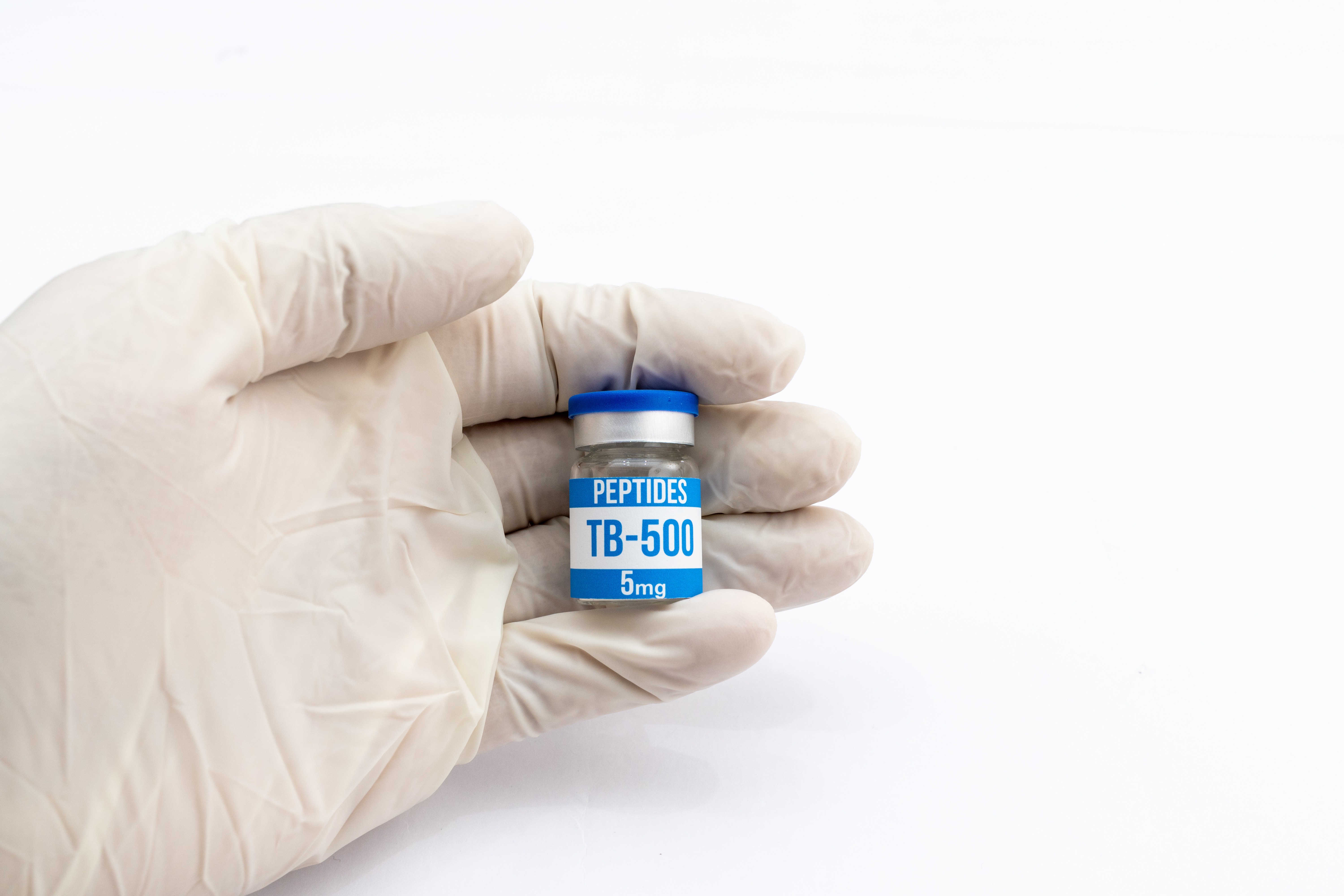
Peptides like BPC-157 and TB-500  sound exciting, but sadly, their encouraging results come almost entirely from animal studies. Unlike peptides such as sermorelin or semaglutide, they have little to no reproducible human clinical data. In fact, the FDA warns that at least until further review, they should only be used in official research settings [16].

3. The Source Matters

If you and your doctor decide a peptide or peptides are right for you, never buy them from questionable online sources. Only use accredited compounding pharmacies that provide a Certificate of Analysis (CoA). This document proves the peptide has a 99%+ purity level and has been thoroughly evaluated for harmful toxins.

4. Watch for Injection Site Red Flags

Temporary redness or itching right after a shot can be normal. However, if you notice hardening or worsening swelling that gets worse over weeks, this could be a sign of localized hypersensitivity and/or even a secondary bacterial infection.

5. Cycle Therapy

For most peptides, taking them without any breaks can eventually make your body stop responding and/or develop immune responses to the substance(s) [15]. Thus, a safe protocol may include on and then "off" periods. However, because every person is different, only you and your healthcare provider can determine whether sermorelin is right for you and determine the proper protocol for you. 

Always consult a qualified healthcare provider before starting peptide-based therapies. If you are interested in sermorelin and want to see if it’s right for you, check your eligibility here: Mochi Health Eligibility.


References

  1. Savine, R., & Sönksen, P. H. (2000). Growth hormone and aging. In K. R. Feingold, B. Anawalt, & A. Boyce (Eds.), Endotext. MDText.com, Inc. https://www.ncbi.nlm.nih.gov/books/NBK279163/

  2. Growth Hormone Deficiency Consensus Group. (2023). Diagnosis and testing for growth hormone deficiency across the ages: A global view of the accuracy, caveats, and cut-offs for diagnosis. Journal of Clinical Endocrinology, 12(4), 501–515. https://pmc.ncbi.nlm.nih.gov/articles/PMC10305501/

  3. National Institute of Diabetes and Digestive and Kidney Diseases. (2022). Acromegaly. U.S. Department of Health and Human Services, National Institutes of Health. https://www.niddk.nih.gov/health-information/endocrine-diseases/acromegaly

  4. Walker, R. F. (2006). Sermorelin: A better approach to management of adult-onset growth hormone insufficiency? Clinical Interventions in Aging, 1(4), 307–308. https://pmc.ncbi.nlm.nih.gov/articles/PMC2699646/

  5. Society for Endocrinology. (2021). Growth hormone-releasing hormone. You and Your Hormones. https://www.yourhormones.info/hormones/growth-hormone-releasing-hormone/

  6. Prakash, A., & Goa, K. L. (1999). Sermorelin: a review of its use in the diagnosis and treatment of children with idiopathic growth hormone deficiency. BioDrugs, 12(2), 139–157. [PMID: 18031173]. https://pubmed.ncbi.nlm.nih.gov/18031173/

  7. RxList. (2022, October 24). Sermorelin acetate (sermorelin): Side effects, uses, dosage, interactions, warnings https://www.rxlist.com/sermorelin-acetate-drug.htm

  8. Drugs.com. (2024). Sermorelin acetate consumer drug information. https://www.drugs.com/cdi/sermorelin-acetate.html

  9. Iglesias, P. (2024). Pituitary apoplexy: An updated review. Journal of Clinical Medicine, 13(9), Article 2508 https://pmc.ncbi.nlm.nih.gov/articles/PMC11084238/

  10. Tanaka, M., & Takahashi, Y. (2021). Endocrine interactions of growth hormone secretagogues and thyroid axes. Journal of Clinical Medicine, 10(22), 5354. https://www.mdpi.com/2077-0383/10/22/5354

  11. Sinha, D. K., Balasubramanian, A., Tatem, A. J., Rivera-Mirabal, J., Yu, J., Kovac, J., Pastuszak, A. W., & Lipshultz, L. I. (2020). Beyond the androgen receptor: The role of growth hormone secretagogues in the modern management of body composition in hypogonadal males. Translational Andrology and Urology, 9(Suppl 2), S149–S159.https://pmc.ncbi.nlm.nih.gov/articles/PMC7108996/

  12. Wang, L., Wang, N., Zhang, W., Cheng, X., Yan, Z., Shao, G., Wang, X., Wang, R., & Fu, C. (2022). Therapeutic peptides: Current applications and future directions. Signal Transduction and Targeted Therapy, 7, Article 48. https://pmc.ncbi.nlm.nih.gov/articles/PMC8844085/

  13. Al Musaimi, O. (2024). FDA's stamp of approval: Unveiling peptide breakthroughs in cardiovascular diseases, ACE, HIV, CNS, and beyond. Journal of Peptide Science, 30(11), Article e3627. https://onlinelibrary.wiley.com/doi/full/10.1002/psc.3627

  14. Wu, L. (2019). Regulatory considerations for peptide therapeutics. In V. Srivastava (Ed.), Peptide therapeutics: Strategy and tactics for chemistry, manufacturing and controls (pp. 1–30). Royal Society of Chemistry. https://books.rsc.org/books/edited-volume/801/chapter/540098/Regulatory-Considerations-for-Peptide-Therapeutics

  15. Achilleos, K., Petrou, C., Nicolaidou, V., & Sarigiannis, Y. (2025). Beyond efficacy: Ensuring safety in peptide therapeutics through immunogenicity assessment. Journal of Peptide Science, 31(6), Article e70016. https://doi.org/10.1002/psc.70016. https://pmc.ncbi.nlm.nih.gov/articles/PMC12010466/

  16. U.S. Food and Drug Administration. (2026). July 23-24, 2026 meeting of the Pharmacy Compounding Advisory Committee. FDA Advisory Committee Calendar. 


Disclaimer: This article is for educational purposes only and should not be considered medical advice. The information provided does not constitute recommendations for treatment. Always consult with your healthcare provider about your specific situation, symptoms, and treatment options.

For iOS & Android

Start with care designed for you

Start with care designed for you

What can we help you with?

What can we help you with?

Personalized care for long-term wellness

Small wins add up to big transformations. Mochi reminds us to focus on what’s good and use it to build the life we envision.

All professional medical services are provided by licensed physicians and clinicians affiliated with independently owned and operated professional practices. Mochi Health Corp. provides administrative and technology services to affiliated medical practices it supports, and does not provide any professional medical services itself.

Personalized care for long-term wellness

Small wins add up to big transformations. Mochi reminds us to focus on what’s good and use it to build the life we envision.

All professional medical services are provided by licensed physicians and clinicians affiliated with independently owned and operated professional practices. Mochi Health Corp. provides administrative and technology services to affiliated medical practices it supports, and does not provide any professional medical services itself.

Personalized care for long-term wellness

Small wins add up to big transformations. Mochi reminds us to focus on what’s good and use it to build the life we envision.

All professional medical services are provided by licensed physicians and clinicians affiliated with independently owned and operated professional practices. Mochi Health Corp. provides administrative and technology services to affiliated medical practices it supports, and does not provide any professional medical services itself.

Personalized care for long-term wellness

Small wins add up to big transformations. Mochi reminds us to focus on what’s good and use it to build the life we envision.

All professional medical services are provided by licensed physicians and clinicians affiliated with independently owned and operated professional practices. Mochi Health Corp. provides administrative and technology services to affiliated medical practices it supports, and does not provide any professional medical services itself.

Personalized care for long-term wellness

Small wins add up to big transformations. Mochi reminds us to focus on what’s good and use it to build the life we envision.

All professional medical services are provided by licensed physicians and clinicians affiliated with independently owned and operated professional practices. Mochi Health Corp. provides administrative and technology services to affiliated medical practices it supports, and does not provide any professional medical services itself.