All articles

BPC-157: What the Research Shows and What to Know Before Trying It

Reading time:

17 min

Reviewed by

Jared Meacham, PhD, DPA, RDN

Published on

Updated on

Resources

Ready to transform your health?

Ready to transform your health?

Get expert guidance and a personalized care plan designed around you.

Key Takeaways

  • BPC-157 is a peptide with purported benefits for recovery, gut health, and inflammation.

  • The research on BPC-157 is limited and has been done mostly in test tubes and animals, not humans.

  • BPC-157 is not approved by the Food & Drug Administration. An FDA advisory committee recently recommended BPC-127 for reclassification under the 503A bulk substances list, which would allow qualified 503A compounding pharmacies to  use it as an ingredient in compounded products, according to a valid prescription from a licensed prescriber. However, reclassification does not mean FDA approval or establish how the peptide should be used or dosed.

  • Product safety, quality, and purity are major concerns, due to the lack of standardization and regulation in the peptide industry.

  • If you're interested in learning more about various peptides, the Mochi provider network is a good place to start. Learn more about your options here.

The peptide craze doesn’t appear to be slowing down any time soon. Quite the opposite, in fact. Insulin and GLP-1 medications are the most well-known and widely used peptides, but there are many more of them under investigation. One of these is BPC-157. It might sound like the name of a Star Wars droid, but BPC-157 is a little-known peptide that’s getting more attention. 

Fans of BPC–157 claim benefits associated with muscle recovery and gut health, but there are a couple of significant limitations surrounding it. BPC-157 has virtually no human trial data to substantiate these claims. Plus, it’s not yet been approved by the Food & Drug Administration, existing in a gray area alongside other popular peptides like NAD+, retatrutide, and GHK-Cu

Whether you’re a peptide enthusiast or a peptide skeptic, we’ll cover what you need to know about BPC-157: how it works, what its purported benefits are, what the science says about it, what its current legal status is, and how to know if it’s made by a quality manufacturer.

Key Takeaways

  • BPC-157 is a peptide with purported benefits for recovery, gut health, and inflammation.

  • The research on BPC-157 is limited and has been done mostly in test tubes and animals, not humans.

  • BPC-157 is not approved by the Food & Drug Administration. An FDA advisory committee recently recommended BPC-127 for reclassification under the 503A bulk substances list, which would allow qualified 503A compounding pharmacies to  use it as an ingredient in compounded products, according to a valid prescription from a licensed prescriber. However, reclassification does not mean FDA approval or establish how the peptide should be used or dosed.

  • Product safety, quality, and purity are major concerns, due to the lack of standardization and regulation in the peptide industry.

  • If you're interested in learning more about various peptides, the Mochi provider network is a good place to start. Learn more about your options here.

The peptide craze doesn’t appear to be slowing down any time soon. Quite the opposite, in fact. Insulin and GLP-1 medications are the most well-known and widely used peptides, but there are many more of them under investigation. One of these is BPC-157. It might sound like the name of a Star Wars droid, but BPC-157 is a little-known peptide that’s getting more attention. 

Fans of BPC–157 claim benefits associated with muscle recovery and gut health, but there are a couple of significant limitations surrounding it. BPC-157 has virtually no human trial data to substantiate these claims. Plus, it’s not yet been approved by the Food & Drug Administration, existing in a gray area alongside other popular peptides like NAD+, retatrutide, and GHK-Cu

Whether you’re a peptide enthusiast or a peptide skeptic, we’ll cover what you need to know about BPC-157: how it works, what its purported benefits are, what the science says about it, what its current legal status is, and how to know if it’s made by a quality manufacturer.

What is BPC-157?

BPC-157 is a peptide that is not currently FDA-approved, but used by some people who claim it supports muscle recovery and gut health. BPC-157 is a pentadecapeptide, which means it’s composed of a chain of 15 amino acids. It originates from gastric juices, which allow it to withstand acidic environments, making it more stable than other peptides. 

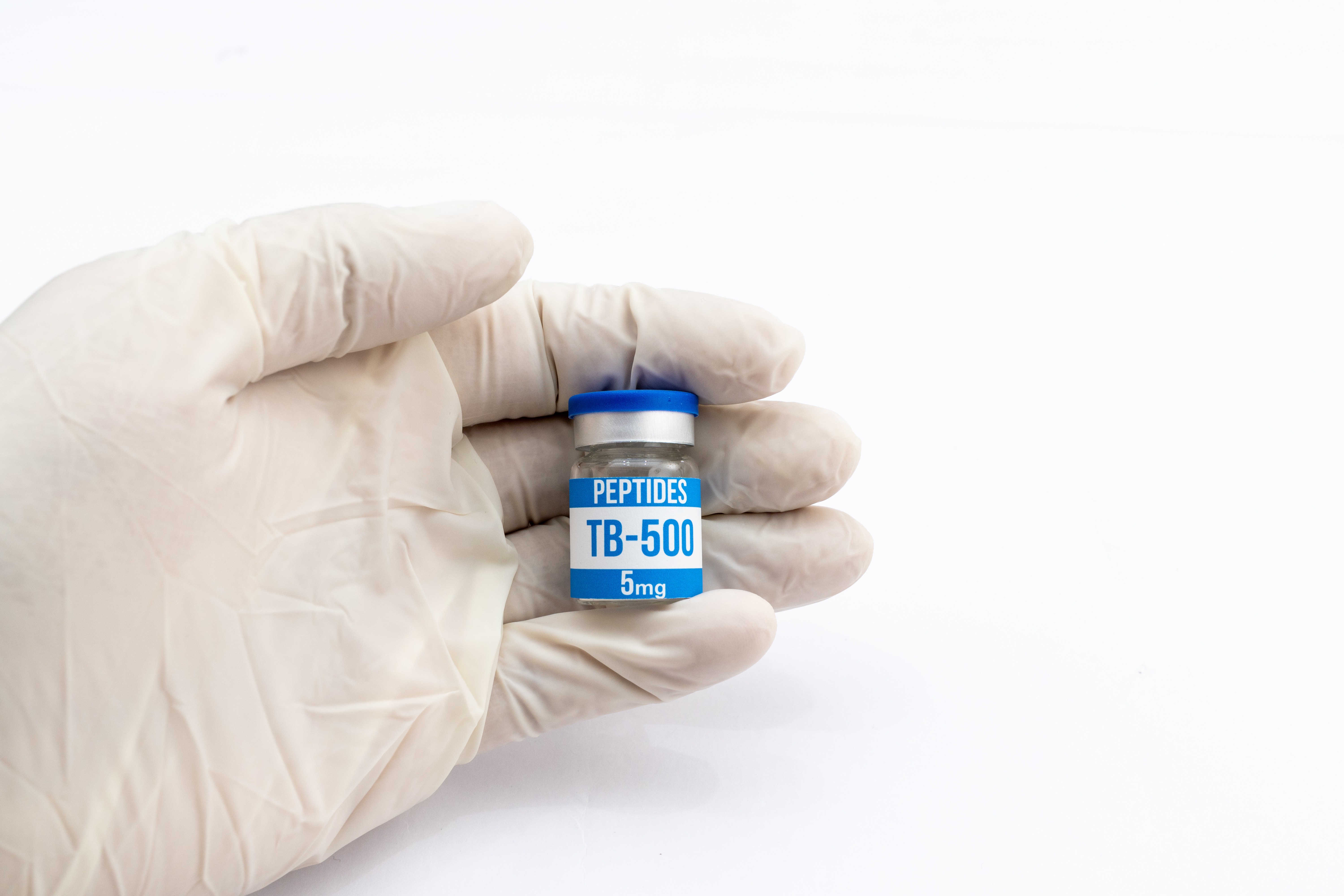
Peptides are short chains of amino acids, which are commonly referred to as the “building blocks” of proteins. The “BPC” in BPC-157 stands for “body protective compound.” While it was originally derived from proteins in the human body, it's now made synthetically. The combination of BPC-157 and another peptide, TB-500, is often referred to as the “Wolverine” stack, inspired by the Marvel X-Men character who can rapidly heal and regenerate when injured.

In 2022, BPC-157 was added to the World Anti-Doping Agency (WADA) Prohibited List. Competitive athletes are not allowed to use it either in or out of competition. So far, more than 80 peptides have been approved for use by the FDA, but BPC-157 isn’t one of them — yet. In July 2026, an FDA committee met to discuss changing its classification to make it more accessible. 

For now, many peptides are sold for “research use only” — a legal side-step, says Jeff Cohen, a board-certified healthcare-law attorney and co-founder of the American Peptide Association.

What is BPC-157?

BPC-157 is a peptide that is not currently FDA-approved, but used by some people who claim it supports muscle recovery and gut health. BPC-157 is a pentadecapeptide, which means it’s composed of a chain of 15 amino acids. It originates from gastric juices, which allow it to withstand acidic environments, making it more stable than other peptides. 

Peptides are short chains of amino acids, which are commonly referred to as the “building blocks” of proteins. The “BPC” in BPC-157 stands for “body protective compound.” While it was originally derived from proteins in the human body, it's now made synthetically. The combination of BPC-157 and another peptide, TB-500, is often referred to as the “Wolverine” stack, inspired by the Marvel X-Men character who can rapidly heal and regenerate when injured.

In 2022, BPC-157 was added to the World Anti-Doping Agency (WADA) Prohibited List. Competitive athletes are not allowed to use it either in or out of competition. So far, more than 80 peptides have been approved for use by the FDA, but BPC-157 isn’t one of them — yet. In July 2026, an FDA committee met to discuss changing its classification to make it more accessible. 

For now, many peptides are sold for “research use only” — a legal side-step, says Jeff Cohen, a board-certified healthcare-law attorney and co-founder of the American Peptide Association.

How BPC-157 Works

BPC-157 works in the body through six different but interconnected pathways, explains Erika Gray, PharmD, MPH, a pharmacist and co-founder and chief medical officer at ToolBox Genomics.

Angiogenesis

The body frequently makes new blood vessels when they are damaged — a process called angiogenesis, Gray says. BPC-157 increases vascular endothelial growth factor (VEGF) and its receptor, VEGFR2.“This helps the body bring more oxygen, nutrients and immune cells to the area,” Gray says. This is particularly useful to certain parts of the body that inherently don’t have a large network of blood vessels, she adds, including tendons and ligaments, or at injury sites. 

Nitric oxide system modulation 

Nitric oxide (NO) is a molecule that sends signals to control the degree of constriction, inflammation, and survival of cells in blood vessels. “BPC-157 appears to help balance out the production or reduction of nitric oxide,” Gray says. 

Gray shares an example: When you get an injury, NO is overproduced. Some NO is necessary, but too much can cause cellular damage and stress. BPC-157 helps decrease NO production. Similarly, when blood flow is restricted and too little NO is produced, BPC-157 can spur NO production by boosting an enzyme called endothelial nitric oxide synthase.

“It is very unusual to have a product that can act as a dial to either increase or decrease the production of a particular molecule,” Gray says.

Macrophage polarization 

Immune cells called macrophages have two modes and have to work in a certain order: M1 and M2. First, M1 mode fights germs and drives inflammation for healing. After that, M2 mode repairs any resulting damage. When people have chronic inflammation , autoimmune disease, long-term  gut damage, or have overtrained, their body can get stuck in M1 fight mode and doesn’t switch over to the M2 repair mode, Gray explains. 

“BPC-157 seems to encourage M2 focus in these inflammatory conditions, which is why people with irritable bowel syndrome, leaky gut, and chronic musculoskeletal conditions often see improvements with BPC-157,” she says.

Growth factor upregulation 

BPC-157 increases the production of different growth factors, including epidermal growth factor (EGF) and focal adhesion kinase (FAK). “These growth factors play a role in how cells migrate, proliferate, and remodel during repair, meaning faster epithelial regrowth, better cell recruitment to injury sites, and improved tissue architecture following damage,” Gray says.

Gut-brain axis effects

BPC-157’s origins are in the stomach. The peptide affects digestion, but it also seems to influence neurotransmitters dopamine and serotonin pathways, Gray says. It also affects the vagus nerve, which is the main communication pathway between the gut and the brain. 

Gray says the thinking is that BPC-157 may act on signals from the vagus nerve traveling from the gut to the brain and may also directly act on the brain and nervous system. “As a result, there appears to be a bidirectional mechanism: BPC-157 heals the gut, which in turn improves signaling to the brain,” she says.

Cytoprotection

Cytoprotection is the protection of cells against damage and death. Studies have found BPC-157 has cytoprotective benefits against NSAID-induced gastric damage, alcohol damage, oxidative stress, ischemia-reperfusion injury, and other types of tissue injury, Gray says.

How BPC-157 Works

BPC-157 works in the body through six different but interconnected pathways, explains Erika Gray, PharmD, MPH, a pharmacist and co-founder and chief medical officer at ToolBox Genomics.

Angiogenesis

The body frequently makes new blood vessels when they are damaged — a process called angiogenesis, Gray says. BPC-157 increases vascular endothelial growth factor (VEGF) and its receptor, VEGFR2.“This helps the body bring more oxygen, nutrients and immune cells to the area,” Gray says. This is particularly useful to certain parts of the body that inherently don’t have a large network of blood vessels, she adds, including tendons and ligaments, or at injury sites. 

Nitric oxide system modulation 

Nitric oxide (NO) is a molecule that sends signals to control the degree of constriction, inflammation, and survival of cells in blood vessels. “BPC-157 appears to help balance out the production or reduction of nitric oxide,” Gray says. 

Gray shares an example: When you get an injury, NO is overproduced. Some NO is necessary, but too much can cause cellular damage and stress. BPC-157 helps decrease NO production. Similarly, when blood flow is restricted and too little NO is produced, BPC-157 can spur NO production by boosting an enzyme called endothelial nitric oxide synthase.

“It is very unusual to have a product that can act as a dial to either increase or decrease the production of a particular molecule,” Gray says.

Macrophage polarization 

Immune cells called macrophages have two modes and have to work in a certain order: M1 and M2. First, M1 mode fights germs and drives inflammation for healing. After that, M2 mode repairs any resulting damage. When people have chronic inflammation , autoimmune disease, long-term  gut damage, or have overtrained, their body can get stuck in M1 fight mode and doesn’t switch over to the M2 repair mode, Gray explains. 

“BPC-157 seems to encourage M2 focus in these inflammatory conditions, which is why people with irritable bowel syndrome, leaky gut, and chronic musculoskeletal conditions often see improvements with BPC-157,” she says.

Growth factor upregulation 

BPC-157 increases the production of different growth factors, including epidermal growth factor (EGF) and focal adhesion kinase (FAK). “These growth factors play a role in how cells migrate, proliferate, and remodel during repair, meaning faster epithelial regrowth, better cell recruitment to injury sites, and improved tissue architecture following damage,” Gray says.

Gut-brain axis effects

BPC-157’s origins are in the stomach. The peptide affects digestion, but it also seems to influence neurotransmitters dopamine and serotonin pathways, Gray says. It also affects the vagus nerve, which is the main communication pathway between the gut and the brain. 

Gray says the thinking is that BPC-157 may act on signals from the vagus nerve traveling from the gut to the brain and may also directly act on the brain and nervous system. “As a result, there appears to be a bidirectional mechanism: BPC-157 heals the gut, which in turn improves signaling to the brain,” she says.

Cytoprotection

Cytoprotection is the protection of cells against damage and death. Studies have found BPC-157 has cytoprotective benefits against NSAID-induced gastric damage, alcohol damage, oxidative stress, ischemia-reperfusion injury, and other types of tissue injury, Gray says.

What Does the Evidence Actually Show?

There has been research that demonstrates BPC-157’s effectiveness, but they’ve been mostly preclinical trials conducted on animals or on cells in a lab. Human research is extremely scant, with only about three incomplete pilot studies. Large-scale, rigorous randomized controlled trials on humans are lacking, though more human trials are in the works.

Tendons and ligaments

Several studies have used rats to determine BPC-157’s effect on healing injuries to their muscles, tendons, or ligaments. A review of 35 animal studies (and one human study) found BPC-157 promoted healing by boosting growth factors and reducing inflammation. The review found no harmful effects, but noted adverse effects are possible due to unregulated manufacturing or contamination.

Gut health

Gut health is one of the most widely studied applications of the peptide. There are quite a few reviews of studies on animals related to BPC-157 and gut health, though the reviews are largely compilations of older studies. These show promise for BPC-157 to help inflammatory bowel disease, gastric lesions, ulcers, and ulcerative colitis

Neurological effects

Animal studies have indicated BPC-157 could have neurological benefits, but the research is limited and speculative. Research on rats has found the peptide may help with recovery from strokes or spinal-cord injuries by accelerating repair of damaged tissue.  

“While animal data is remarkably robust and consistent, human studies are few and far between,” Gray says. “I suspect that’s because peptides cannot be patented and financing human trials is extremely costly, and no one has been willing to spend the money on proving the observational efficacy many practitioners have noted.” 

Gray notes that while there are plenty of “anecdotal trials” — single participants sharing their experience trying BPC-157 themselves — there are no formal, well-designed randomized controlled trials. There’s a significant gap between consumers or providers who are comfortable with anecdotal evidence and those who require formal study data.

It’s worth noting approximately 80% of BPC-157 animal studies come from a single research group, led by researcher Predrag Sikiric, who developed much of the early research into BPC-157. This doesn’t necessarily mean the results are inaccurate, flawed, or biased, but it does mean a single group of researchers could potentially be studying and interpreting evidence through a single lens.

What Does the Evidence Actually Show?

There has been research that demonstrates BPC-157’s effectiveness, but they’ve been mostly preclinical trials conducted on animals or on cells in a lab. Human research is extremely scant, with only about three incomplete pilot studies. Large-scale, rigorous randomized controlled trials on humans are lacking, though more human trials are in the works.

Tendons and ligaments

Several studies have used rats to determine BPC-157’s effect on healing injuries to their muscles, tendons, or ligaments. A review of 35 animal studies (and one human study) found BPC-157 promoted healing by boosting growth factors and reducing inflammation. The review found no harmful effects, but noted adverse effects are possible due to unregulated manufacturing or contamination.

Gut health

Gut health is one of the most widely studied applications of the peptide. There are quite a few reviews of studies on animals related to BPC-157 and gut health, though the reviews are largely compilations of older studies. These show promise for BPC-157 to help inflammatory bowel disease, gastric lesions, ulcers, and ulcerative colitis

Neurological effects

Animal studies have indicated BPC-157 could have neurological benefits, but the research is limited and speculative. Research on rats has found the peptide may help with recovery from strokes or spinal-cord injuries by accelerating repair of damaged tissue.  

“While animal data is remarkably robust and consistent, human studies are few and far between,” Gray says. “I suspect that’s because peptides cannot be patented and financing human trials is extremely costly, and no one has been willing to spend the money on proving the observational efficacy many practitioners have noted.” 

Gray notes that while there are plenty of “anecdotal trials” — single participants sharing their experience trying BPC-157 themselves — there are no formal, well-designed randomized controlled trials. There’s a significant gap between consumers or providers who are comfortable with anecdotal evidence and those who require formal study data.

It’s worth noting approximately 80% of BPC-157 animal studies come from a single research group, led by researcher Predrag Sikiric, who developed much of the early research into BPC-157. This doesn’t necessarily mean the results are inaccurate, flawed, or biased, but it does mean a single group of researchers could potentially be studying and interpreting evidence through a single lens.

Legal and Regulatory Status

Beyond BPC-157’s efficacy, another key consideration is its current legal and regulatory status.  

“Peptides fit in a gray zone from a legal perspective,” Cohen says. “You're not going to find a law that gives a thumbs-up to any peptide at all, other than a GLP-1 that comes directly from a pharmaceutical manufacturer.” 

The FDA is moving toward reclassifying BPC-157 and a few other peptides soon, but here’s where it stands as of now.

FDA status

BPC-157 has been classified as a Category II unapproved drug (not a supplement) that is not permitted to be compounded. It has existed in what’s known as the “gray market,” meaning it’s unauthorized but not illegal. 

In July 2026, an FDA advisory panel voted to recommend BPC-157 to be added to the list of bulk substances that compounding pharmacies are permitted to use as ingredients in prescribed compounded products, as long as certain conditions are met. Importantly, this does not mean BPC-157 has been approved by the FDA. Proponents  say that if implemented, the proposed shift could open the door for more research and safer access to BPC-157 from licensed 503A compounding pharmacies. 

Some FDA scientists have urged against this move, stating there’s not enough human trial data on their safety, efficacy, long-term effects, and possible interactions with other medications. 

WADA prohibition

In 2022, the World Anti-Doping Agency (WADA) added BPC-157 to its list of unapproved substances. It’s prohibited for use by competitive athletes who are monitored by and must adhere to WADA guidelines in order to complete.

The U.S. Anti-Doping Agency follows WADA rules, stating its position on its website: “Because BPC-157 has not been extensively studied in humans, there is no established safe dose, nor is there any proven efficacy of this compound to treat specific medical conditions. Since BPC-157 is not an approved therapeutic agent in any country, there is no basis for granting a [Therapeutic Use Exemption] for this substance.”

Oral vs. Injectable BPC-157

Many peptides are available only in injectable form, but BPC-157 can also be taken orally. These delivery methods differ in convenience, absorption, bioavailability, and the compound's effectiveness for specific purposes. 

Whether a medication is ingested or injected affects the compound’s bioavailability, or how much of it is absorbed and usable for its intended purpose. Typically, injectables tend to have higher bioavailability, as they bypass the digestive system. Oral medications or supplements can get degraded by digestive enzymes and acids, so dosages might be higher to ensure the proper therapeutic amount is received. This is particularly true of many peptides, which aren’t stable enough to survive the GI tract.

“BPC-157 is an unusual peptide as it appears to have meaningful bioavailability orally,” Gray says. “Because amino acids are very fragile and cannot withstand the stomach’s gastric acid, most peptides must be injected to prevent this destruction, such as insulin.”

Oral administration of BPC-157 tends to have the best success for GI indications, Gray says, including IBD, ulcers, mucosal healing, or leaky gut. They’re also more convenient and non-invasive (a particular bonus for people who don’t like needles). 

Injectable administration (subcutaneous or intramuscular) has higher bioavailability because it bypasses the GI tract. This type of delivery provides more direct systemic exposure, which may be needed for tendons, ligaments, and musculoskeletal applications, Gray says.

Manufacturing Quality and What to Look for

One of the biggest — and more important — issues surrounding BPC-157 and other unregulated peptides is whether they’ve been safely and responsibly manufactured. 

“This is really the darkest question of the industry: How does a consumer even know what they're getting in the vial?” Cohen says. “And the truth is, there's no way to be completely confident that what they're getting is what they're paying for.”

Many, though not all, peptide manufacturers are based outside of the U.S, and there’s little to no oversight of them. This also means there’s no standardization in how these products are made. Cohen says one of the American Peptide Association’s goals is to create manufacturing and third-party testing standards.

Vials can contain fillers, preservatives, endotoxins, or even chemical residues from the manufacturing process. These include the chemical solvents DMF, DCM, TFA, which are used in the synthesis of peptides. Some of these solvents pose health risks and are banned in other countries. Of particular note, TFA is a “forever” PFAS chemical. 

Cohen recommends consumers have a legitimate certificate of analysis (COA) that’s available to the public — a lab report that verifies it’s undergone third-party testing. The COA should clearly outline the scope of testing: exactly what’s being tested and how the testing is done.  

Cohen shares a list of what companies should be testing and including on its COA:

  • pH levels

  • Presence of any endotoxins

  • Sterility

  • Purity percentage (ideally, 99% or higher of BPC-157) and what the remaining percentage includes

  • Materials used to make the glass vials, as some can leach heavy metals

  • Testing both before and after lyophilization (freeze-drying) 

Be wary of companies that can’t produce or don't have a COA. “Any reputable peptide provider will have independent third-party testing that they will happily share, with both the lab and the final product, where you can check purity, potency and sterility,” Gray says. “Additionally, BPC-157 has to be reconstituted with bacteriostatic water that also needs to be sterile and have third-party testing behind it, as well.”

Many peptides are marketed as “for research only” or “research grade,” Cohen says, but those terms are also not standardized and essentially meaningless. Labeling these products as "for research use only and not for human consumption" was an attempt at preventing the FDA from shutting down a manufacturer, Cohen says. “Research grade is not defined,” he says. “It’s a made-up term.”

Side Effects and Safety

BPC-157 and other peptides do need a prescription from a provider (and it’s a giant red flag if a company sells them without requiring one). While the safety profile of BPC-157 appears to be positive, any medication or supplement runs the risk of side effects. It’s difficult to know what those are, however, because of the lack of human clinical trials. For the same reason, there’s no standardized dosage that’s been clinically proven to be effective and also safe. 

Another risk is interactions with other medications. “At this point, no drug-peptide interactions have been studied,” Gray says. “Caution may need to be exercised with PDE5 inhibitors and nitrates in individuals with chronic inflammation, taking high doses of BPC. Additionally, any one who is pregnant, lactating, or under the age of 18 should avoid trying peptides.”

Anyone who is immunocompromised or has a history or high risk of cancer should also not take BPC-157 because of its mechanisms of action with angiogenesis, macrophage polarization, and cytoprotection. These effects could potentially promote tumor growth.

BPC-157 vs. TB-500

When taken together, BPC-157 and TB-500 are known as the Wolverine stack. Here’s how these two peptides actually stack up against each other.


BPC-157

TB-500

Mechanism

Angiogenesis, nitric oxide modulation, cytoprotection

Actin regulation (cell building and dismantling), cell migration

Primary use

Gut healing, tendon repair

Systemic tissue repair, flexibility

Route

Oral or injectable

Injectable (limited bioavailability orally)

WADA status

Prohibited

Prohibited

Both may offer benefits for repair and recovery, though they target different areas and manner of repair though different mechanisms of action. BPC-157 can be taken orally or as an injectable, which offers more flexibility in its delivery. 

It’s important to note that neither BPC-157 nor TB-500 has a substantive body of evidence in support of its efficacy or safety in humans — individually or combined in a stack.

Is BPC-157 right for you?

While it does show a lot of promise, BPC-157 has not been rigorously tested on humans, and it’s not legally available through licensed providers under current FDA guidelines. That status could possibly change soon, but it’s important to thoroughly evaluate the significant legal and safety concerns surrounding it. Anyone considering peptide therapy should speak to their healthcare provider first. 

If you’re a WADA-tested athlete, however, use of BPC-157 is a hard no, as it’s in violation of the organization’s position on this peptide.

Gray’s overall summary of the peptide captures its complicated existence: “BPC-157 is a peptide with a very compelling biological story, a strong animal-evidence base, no completed human trials, lots and lots of real-life anecdotal support, possible sourcing concerns, and the potential to really help many people.”

The Bottom Line

BPC-157 shows promise for a variety of functions, but most research is preclinical with no confirmation from human trials. While its status with the FDA appears to be changing to make it more available and potentially better regulated, BPC-157 is currently not FDA-approved. 

Always work with a licensed healthcare provider to ensure any peptides are legally prescribed and pharmaceutical-grade. Mochi Health can connect you with licensed providers who will work with you to find treatments and products that are safe and that best fit your needs.

FAQs

Is BPC-157 legal in the United States?

BPC-157 is an unregulated compound that’s not been approved by the FDA. It’s currently prohibited from being manufactured. 

What is BPC-157 used for?

BPC-157 is most commonly used for inflammation, gut health, and accelerated recovery of tendons, ligaments, and muscles.

Is BPC-157 banned in sports?

BPC-157 is prohibited for use both in and out of competition by the World Anti-Doping Agency (WADA) and the U.S. Anti-Doping Agency (USADA).

For iOS & Android

Start with care designed for you

Start with care designed for you

What can we help you with?

What can we help you with?

Personalized care for long-term wellness

Small wins add up to big transformations. Mochi reminds us to focus on what’s good and use it to build the life we envision.

All professional medical services are provided by licensed physicians and clinicians affiliated with independently owned and operated professional practices. Mochi Health Corp. provides administrative and technology services to affiliated medical practices it supports, and does not provide any professional medical services itself.

Personalized care for long-term wellness

Small wins add up to big transformations. Mochi reminds us to focus on what’s good and use it to build the life we envision.

All professional medical services are provided by licensed physicians and clinicians affiliated with independently owned and operated professional practices. Mochi Health Corp. provides administrative and technology services to affiliated medical practices it supports, and does not provide any professional medical services itself.

Personalized care for long-term wellness

Small wins add up to big transformations. Mochi reminds us to focus on what’s good and use it to build the life we envision.

All professional medical services are provided by licensed physicians and clinicians affiliated with independently owned and operated professional practices. Mochi Health Corp. provides administrative and technology services to affiliated medical practices it supports, and does not provide any professional medical services itself.

Personalized care for long-term wellness

Small wins add up to big transformations. Mochi reminds us to focus on what’s good and use it to build the life we envision.

All professional medical services are provided by licensed physicians and clinicians affiliated with independently owned and operated professional practices. Mochi Health Corp. provides administrative and technology services to affiliated medical practices it supports, and does not provide any professional medical services itself.

Personalized care for long-term wellness

Small wins add up to big transformations. Mochi reminds us to focus on what’s good and use it to build the life we envision.

All professional medical services are provided by licensed physicians and clinicians affiliated with independently owned and operated professional practices. Mochi Health Corp. provides administrative and technology services to affiliated medical practices it supports, and does not provide any professional medical services itself.