All articles

Hot Flash Medication: How Estradiol Treats Menopause Symptoms

Reading time:

6 min

Reviewed by

Dr. Rachel Jecker, MD

Published on

Updated on

Menopause

Ready to transform your health?

Ready to transform your health?

Get expert guidance and a personalized care plan designed around you.

Key Takeaways

  • Hot flashes are one of the most common symptoms of menopause

  • Hot flashes are caused by decreased estrogen levels affecting the part of the brain that regulates temperature

  • Treatments for hot flashes range from lifestyle changes, to mind-body therapies, to prescription hormone therapy and other menopause treatments

  • 17beta-estradiol is a type of estrogen chemically identical to what your body makes, and is often a first-line treatment for moderate to severe hot flashes

  • In a clinical trial, 86% of women taking 1 mg of estradiol had at least a 50% reduction in hot flashes at 4 weeks, with improvement seen as early as 2 weeks

Key Takeaways

  • Hot flashes are one of the most common symptoms of menopause

  • Hot flashes are caused by decreased estrogen levels affecting the part of the brain that regulates temperature

  • Treatments for hot flashes range from lifestyle changes, to mind-body therapies, to prescription hormone therapy and other menopause treatments

  • 17beta-estradiol is a type of estrogen chemically identical to what your body makes, and is often a first-line treatment for moderate to severe hot flashes

  • In a clinical trial, 86% of women taking 1 mg of estradiol had at least a 50% reduction in hot flashes at 4 weeks, with improvement seen as early as 2 weeks

What Are Hot Flashes and Why Do They Happen?

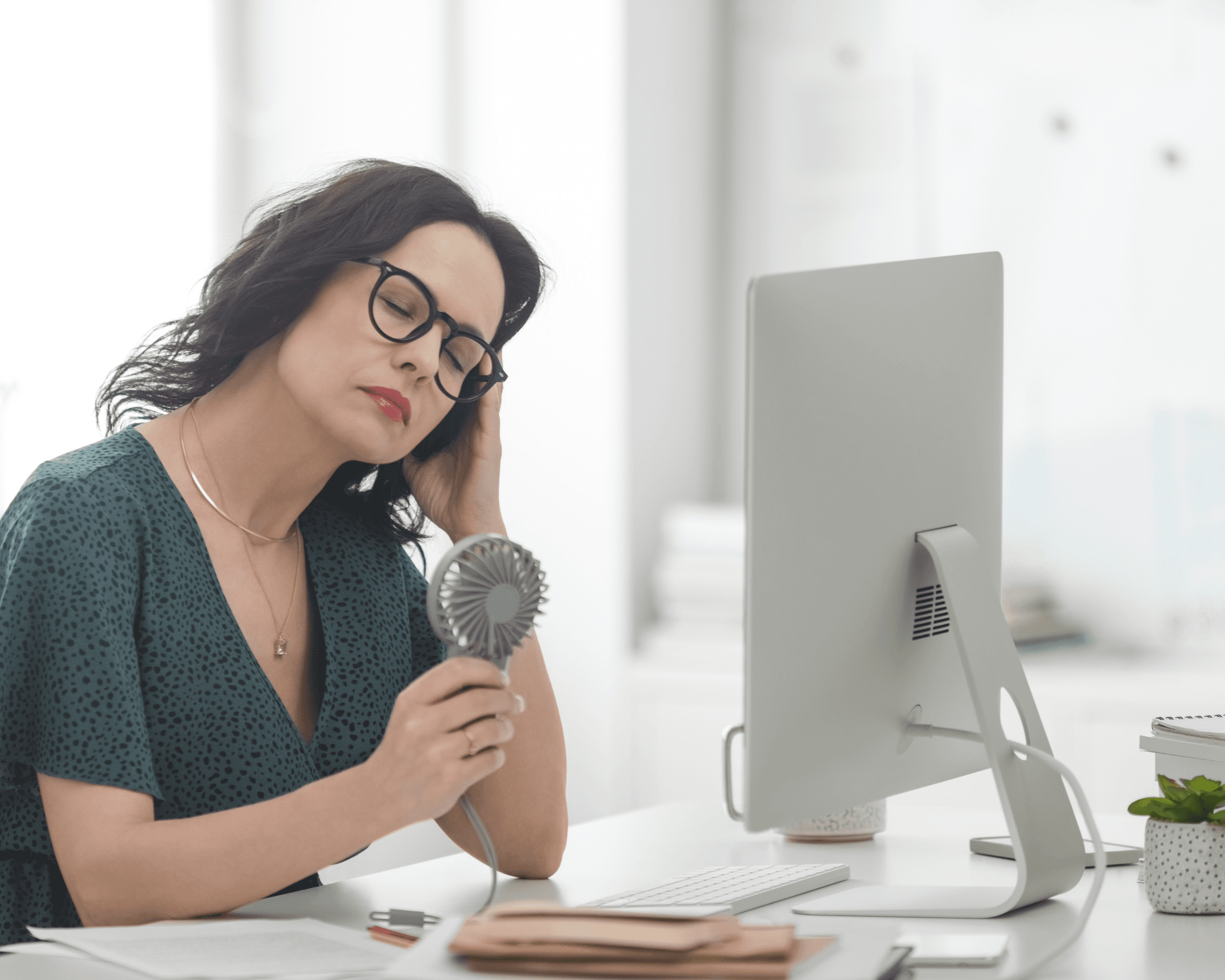
If you’ve ever had a sudden wave of heat, maybe accompanied by a cold sweat, pounding heart, and redness on your chest and face, you know how distracting a hot flash can be. For some women, hot flashes are more than a rare occurrence. They can ruin sleep, derail your work, and strike at the worst possible times. (1)

Hot flashes are one of the most common menopause symptoms, and there’s a good explanation for why. During menopause, estrogen levels decrease as the ovaries produce less hormones. Estrogen has a role in temperature regulation. As estrogen levels drop, the part of the brain that regulates temperature, called the hypothalamus, responds disproportionately to slight increases in temperature. This overreaction is what causes hot flashes. These unpredictable waves of heat can be anything from a slight nuisance to a profoundly debilitating experience. (1, 6)

Because treatment for moderate to severe menopausal symptoms like hot flashes can take some trial and error for many women, studies of estradiol may help indicate which treatments are more likely to help, and when to expect improvement.

What Are Hot Flashes and Why Do They Happen?

If you’ve ever had a sudden wave of heat, maybe accompanied by a cold sweat, pounding heart, and redness on your chest and face, you know how distracting a hot flash can be. For some women, hot flashes are more than a rare occurrence. They can ruin sleep, derail your work, and strike at the worst possible times. (1)

Hot flashes are one of the most common menopause symptoms, and there’s a good explanation for why. During menopause, estrogen levels decrease as the ovaries produce less hormones. Estrogen has a role in temperature regulation. As estrogen levels drop, the part of the brain that regulates temperature, called the hypothalamus, responds disproportionately to slight increases in temperature. This overreaction is what causes hot flashes. These unpredictable waves of heat can be anything from a slight nuisance to a profoundly debilitating experience. (1, 6)

Because treatment for moderate to severe menopausal symptoms like hot flashes can take some trial and error for many women, studies of estradiol may help indicate which treatments are more likely to help, and when to expect improvement.

How Are Hot Flashes Treated?

Everything from lifestyle modifications to prescription drugs can be used to treat hot flashes. The best course of action will depend on the frequency and severity of your hot flashes, as well as your medical history and personal preferences. Be sure to consult with your healthcare provider to determine the best treatment for you.

Lifestyle Approaches

If you are experiencing mild hot flashes, you may be able to alleviate symptoms by implementing some lifestyle changes. Many healthcare providers will recommend keeping cool by dressing in easily removed layers; avoiding hot flash triggers such as spicy foods, caffeine, and alcohol; and engaging in stress reducing activities like slow, deep breathing or meditation.

In addition, weight loss and avoiding nicotine such as vapes or cigarettes may help reduce the frequency of hot flashes. (1, 2, 7)

Mind Body Therapies

Some women may find relief from hot flashes by utilizing mind-body interventions such as cognitive behavioral therapy (CBT) or hypnosis. CBT can help decrease the disruption caused by hot flashes and night sweats. Hypnosis may also be beneficial in reducing the frequency and severity of hot flashes, according to some studies.

Acupuncture is another intervention that has been studied, though results are mixed. Some studies suggest acupuncture may decrease the frequency of hot flashes, while others have found no benefit. (8)

Hormone Therapy

Hormone therapy is the most effective treatment for vasomotor symptoms of menopause like hot flashes and night sweats. (3) When it comes to moderate to severe hot flashes, estrogen is the primary medication used to treat it. For women with an intact uterus, estrogen is typically prescribed in combination with a progesterone to avoid an increased risk of endometrial (uterine) cancer. (5)

As with any medication, estrogen is not without risks. It is important to discuss your full medical history with your healthcare provider, so they can help determine if estrogen therapy might be able to help with your hot flashes. One commonly prescribed estrogen medication for hot flashes is 17beta-estradiol. There is extensive research on the efficacy and onset of action of this medication.

How Are Hot Flashes Treated?

Everything from lifestyle modifications to prescription drugs can be used to treat hot flashes. The best course of action will depend on the frequency and severity of your hot flashes, as well as your medical history and personal preferences. Be sure to consult with your healthcare provider to determine the best treatment for you.

Lifestyle Approaches

If you are experiencing mild hot flashes, you may be able to alleviate symptoms by implementing some lifestyle changes. Many healthcare providers will recommend keeping cool by dressing in easily removed layers; avoiding hot flash triggers such as spicy foods, caffeine, and alcohol; and engaging in stress reducing activities like slow, deep breathing or meditation.

In addition, weight loss and avoiding nicotine such as vapes or cigarettes may help reduce the frequency of hot flashes. (1, 2, 7)

Mind Body Therapies

Some women may find relief from hot flashes by utilizing mind-body interventions such as cognitive behavioral therapy (CBT) or hypnosis. CBT can help decrease the disruption caused by hot flashes and night sweats. Hypnosis may also be beneficial in reducing the frequency and severity of hot flashes, according to some studies.

Acupuncture is another intervention that has been studied, though results are mixed. Some studies suggest acupuncture may decrease the frequency of hot flashes, while others have found no benefit. (8)

Hormone Therapy

Hormone therapy is the most effective treatment for vasomotor symptoms of menopause like hot flashes and night sweats. (3) When it comes to moderate to severe hot flashes, estrogen is the primary medication used to treat it. For women with an intact uterus, estrogen is typically prescribed in combination with a progesterone to avoid an increased risk of endometrial (uterine) cancer. (5)

As with any medication, estrogen is not without risks. It is important to discuss your full medical history with your healthcare provider, so they can help determine if estrogen therapy might be able to help with your hot flashes. One commonly prescribed estrogen medication for hot flashes is 17beta-estradiol. There is extensive research on the efficacy and onset of action of this medication.

What is Estradiol and Why Does it Work?

17beta-estradiol is a type of estrogen that's chemically identical to the estrogen that your body makes. As estrogen levels drop, your body overreacts to small increases in temperature. This manifests as hot flashes. Replacing some of that estrogen can potentially reduce hot flashes. (6)

Estradiol has been prescribed for decades, and often as the first line treatment for symptoms of menopause like hot flashes. It can also be used to treat other moderate to severe vasomotor symptoms of menopause, like night sweats.

What is Estradiol and Why Does it Work?

17beta-estradiol is a type of estrogen that's chemically identical to the estrogen that your body makes. As estrogen levels drop, your body overreacts to small increases in temperature. This manifests as hot flashes. Replacing some of that estrogen can potentially reduce hot flashes. (6)

Estradiol has been prescribed for decades, and often as the first line treatment for symptoms of menopause like hot flashes. It can also be used to treat other moderate to severe vasomotor symptoms of menopause, like night sweats.

Estradiol at 1 mg: What a 12 Week Clinical Trial Revealed

In a clinical trial that studied the efficacy of oral 17beta-estradiol, varying doses were tested for their impact on moderate-to-severe hot flashes over a period of 12 weeks. The data from this study can provide helpful insight into the use of this medication.

At 4 weeks, 86% of women receiving 1 mg of estradiol had at least a 50% reduction in moderate to severe hot flashes, compared with 50% of women who received a placebo. The lower doses took longer to show significant benefit over placebo, but were still helpful.

The study also tested a higher 2 mg dose, which was also effective for hot flashes.However, higher doses of estrogen can increase the risk of side effects. Twice as many women in the 2 mg group stopped taking the drug because of side effects. This led the researchers to determine that 1 mg seemed to be the most practical starting dose. It provided good benefits with lower risks.  (4)

Significant improvement in hot flashes can be seen as early as two weeks, with continued benefits observed through 12 weeks of treatment.

Estradiol Side Effects

Estradiol, like all drugs, may produce side effects. Side effects of oral estradiol include: breast tenderness, bloating, nausea and headaches. In rare cases, it can also contribute to strokes and blood clots, and can increase the risk of some breast cancers. As this study demonstrated, the common side effects like nausea and bloating may be dose dependent, with more side effects occurring in higher doses. Most side effects are often mild and may dissipate over time. (9)

Your provider can help you weigh the potential benefits and side effects based on your individual situation.

FAQs

Is estradiol FDA approved for menopause symptoms?

Yes. Several estradiol products are approved by the FDA to treat moderate to severe vasomotor symptoms (hot flashes and night sweats) due to menopause.

Do I need to take progesterone too?

If you have a uterus, it is usually advisable to use progesterone in addition to estrogen to prevent overgrowth of the uterine lining and potentially uterine cancer. Your health care provider will decide what is best for you and your individual medical situation. (5)

How long until I see results?

In this study, hot flashes started getting better at 2 weeks and were still improving at 12 weeks. The amount of improvement will depend on you and your body. Your healthcare provider can help you figure out what to expect. (4)

Who shouldn’t take estradiol?

If you’ve had conditions like estrogen dependent cancers (such as uterine or breast cancer), blood clots, uncontrolled high blood pressure (HTN) or liver disease, you likely won’t be a candidate for hormone replacement. Your provider will review your medical history before recommending this medication.

How long would I use it?

The goal is to take the lowest effective dose for the shortest amount of time. How long that is will be something your provider can talk to you about. You should speak with your provider about your individual needs.

What if I can't take hormone therapy?

There are non-hormonal prescription options that may help with hot flashes, including low dose antidepressants and other medications. The right approach depends on your unique health history and the severity of your symptoms. This is something to discuss in detail with your healthcare provider.

Check Your Eligibility

If you’re dealing with hot flashes and want to understand whether hormone therapy might be an option for you. A healthcare provider on Mochi Health’s telehealth platform can help you determine the best course of action for your needs. Check your eligibility here.


References

  1. Freedman, R. R. (2014). Menopausal hot flashes: mechanisms, endocrinology, treatment. Journal of Steroid Biochemistry and Molecular Biology, 142, 115–120. https://doi.org/10.1016/j.jsbmb.2013.08.010

  2. Mayo Clinic Staff. "Hot Flashes: Diagnosis & Treatment." Mayo Clinic, 4 Mar. 2025, www.mayoclinic.org/diseases-conditions/hot-flashes/diagnosis-treatment/drc-20352795.

  3. The North American Menopause Society. (2022). The 2022 Hormone Therapy Position Statement of The North American Menopause Society. Menopause, 29(7), 767–794. https://doi.org/10.1097/GME.0000000000002028

  4. Notelovitz, M., Lenihan, J. P., McDermott, M., Kerber, I. J., Nanavati, N., & Arce, J. (2000). Initial 17beta-estradiol dose for treating vasomotor symptoms. Obstetrics & Gynecology, 95(5), 726–731. https://doi.org/10.1016/s0029-7844(99)00643-2

  5. Stute, P., Neulen, J., & Wildt, L. (2016). The impact of micronized progesterone on the endometrium: a systematic review. Climacteric, 19(4), 316–328. https://doi.org/10.1080/13697137.2016.1187123

  6. Zhang, Z., et al. (2021). The effects of estrogens on neural circuits that control temperature. Endocrinology, 162(8), bqab087. https://doi.org/10.1210/endocr/bqab087

  7. Cochran, C. J., Gallicchio, L., Miller, S. R., Zacur, H., & Flaws, J. A. (2008). Cigarette smoking, androgen levels, and hot flushes in midlife women. Obstetrics and gynecology, 112(5), 1037–1044. https://doi.org/10.1097/AOG.0b013e318189a8e2

  8. Ee, C., French, S. D., Xue, C. C., Pirotta, M., & Teede, H. (2017). Acupuncture for menopausal hot flashes: clinical evidence update and its relevance to decision making. Menopause (New York, N.Y.), 24(8), 980–987. https://doi.org/10.1097/GME.0000000000000850

  9. Lyytinen, H., Pukkala, E., & Ylikorkala, O. (2006). Breast cancer risk in postmenopausal women using estrogen-only therapy. Obstetrics and gynecology, 108(6), 1354–1360. https://doi.org/10.1097/01.AOG.0000241091.86268.6e


Disclaimer: This article is for educational purposes only and should not be considered medical advice. The information provided does not constitute recommendations for treatment. Always consult with your healthcare provider about your specific situation, symptoms, and treatment options.

For iOS & Android

Start with care designed for you

Start with care designed for you

What can we help you with?

What can we help you with?

Personalized care for long-term wellness

Small wins add up to big transformations. Mochi reminds us to focus on what’s good and use it to build the life we envision.

All professional medical services are provided by licensed physicians and clinicians affiliated with independently owned and operated professional practices. Mochi Health Corp. provides administrative and technology services to affiliated medical practices it supports, and does not provide any professional medical services itself.

Personalized care for long-term wellness

Small wins add up to big transformations. Mochi reminds us to focus on what’s good and use it to build the life we envision.

All professional medical services are provided by licensed physicians and clinicians affiliated with independently owned and operated professional practices. Mochi Health Corp. provides administrative and technology services to affiliated medical practices it supports, and does not provide any professional medical services itself.

Personalized care for long-term wellness

Small wins add up to big transformations. Mochi reminds us to focus on what’s good and use it to build the life we envision.

All professional medical services are provided by licensed physicians and clinicians affiliated with independently owned and operated professional practices. Mochi Health Corp. provides administrative and technology services to affiliated medical practices it supports, and does not provide any professional medical services itself.

Personalized care for long-term wellness

Small wins add up to big transformations. Mochi reminds us to focus on what’s good and use it to build the life we envision.

All professional medical services are provided by licensed physicians and clinicians affiliated with independently owned and operated professional practices. Mochi Health Corp. provides administrative and technology services to affiliated medical practices it supports, and does not provide any professional medical services itself.

Personalized care for long-term wellness

Small wins add up to big transformations. Mochi reminds us to focus on what’s good and use it to build the life we envision.

All professional medical services are provided by licensed physicians and clinicians affiliated with independently owned and operated professional practices. Mochi Health Corp. provides administrative and technology services to affiliated medical practices it supports, and does not provide any professional medical services itself.